
TL;DR – Quick Answer
Why Buy an Unlocked iPhone?
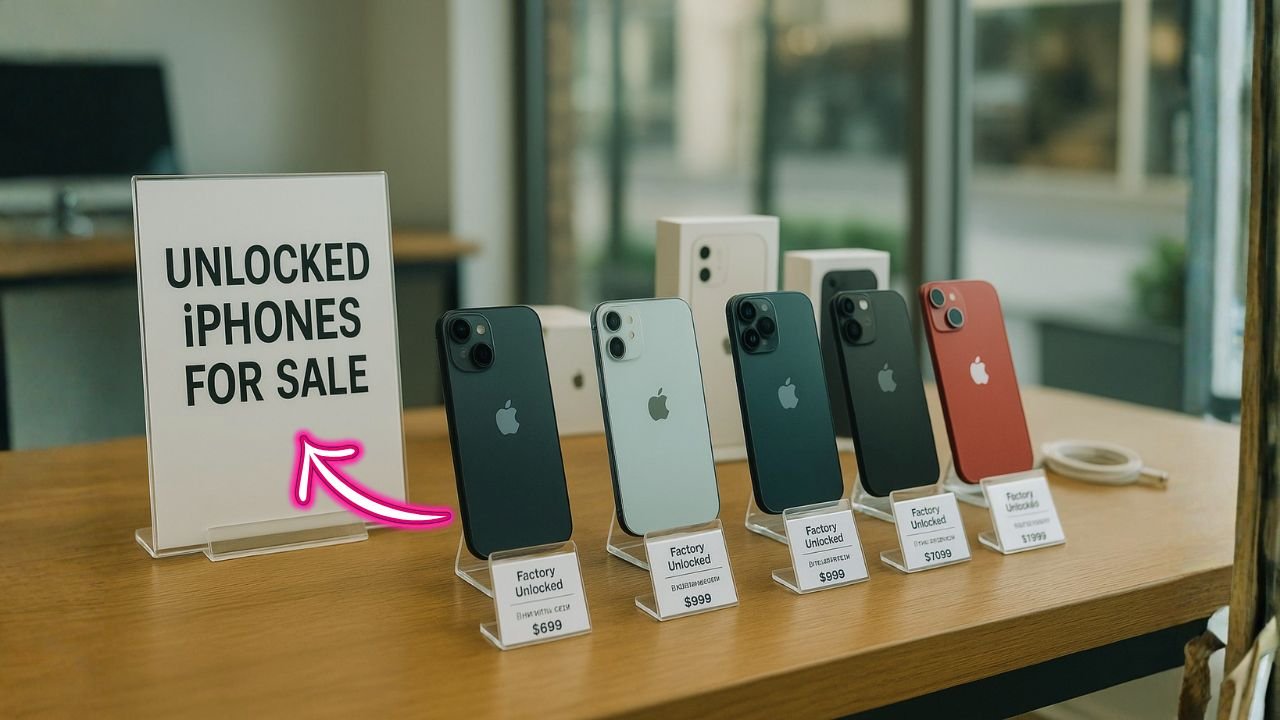
If you’re in the market for a new iPhone in 2025, buying unlocked is hands-down the smartest move you can make. An unlocked iPhone gives you the freedom to choose any carrier, switch networks whenever you want, and avoid being locked into lengthy contracts that feel like you’ve signed your life away.
Unlike carrier-locked phones that chain you to a specific network, unlocked iPhones work with AT&T, Verizon, T-Mobile, and virtually every other carrier in the US and internationally. Whether you’re a frequent traveler who needs to swap SIM cards abroad or someone who just wants the flexibility to chase the best deals, an unlocked iPhone is your ticket to mobile freedom.
Where to Buy: Complete Comparison
| Retailer | Price Range | Condition Options | Warranty | Best For |
|---|---|---|---|---|
| Apple Store | $429 – $1,199 | New only | 1-year AppleCare | Latest models, trade-ins |
| Amazon | $200 – $1,150 | New & Refurbished | 30-90 days | Convenience, Prime shipping |
| Best Buy | $379 – $1,199 | New & Open Box | 1-year + extended option | In-store pickup, Geek Squad |
| Swappa | $180 – $950 | Used & Refurbished | Seller dependent | Best prices, verified listings |
| Back Market | $195 – $875 | Certified Refurbished | 1-year guarantee | Eco-friendly, quality refurbs |
| Walmart | $249 – $1,099 | New & Refurbished | Varies by seller | Budget options, rollbacks |
📖 Also Read: Keep iMessage and FaceTime Working After You Switch Carriers on a SIM-Free iPhone
Top Unlocked iPhone Models in 2025
Last year’s powerhouse at a better price. Still incredibly fast with the A17 Pro chip, titanium design, and action button. A smart buy in 2025.
The sweet spot for value hunters. Solid performance, great cameras, and all the features most people actually use. Now significantly cheaper after newer releases.
Best budget option that still feels premium. 5G capable, excellent battery life, and certified refurbished units are practically indistinguishable from new.
The newest standard model with A18 chip, Camera Control button, and improved battery life. Great all-rounder without the Pro price tag.
Compact powerhouse. If you prefer smaller phones or want the most affordable new iPhone, the SE delivers flagship performance in a classic design.
📖 Also Read: Android eSIM-to-eSIM Transfer After Carrier Release (Samsung & Pixel) Without Downtime
What Makes a Phone “Unlocked”?
Let’s clear up some confusion right off the bat. When an iPhone is unlocked, it means there’s no software restriction tying it to a specific carrier. Think of it like owning your house outright versus renting – you have complete control and freedom to do what you want.
There are two ways iPhones become unlocked. First, you can buy them factory unlocked directly from Apple or authorized retailers. These phones have never been locked to any carrier and are ready to work with any network from day one. Second, previously locked phones can be unlocked by the carrier once you’ve met their requirements, like paying off the device or completing your contract.
💡 Pro Tip: Before buying any used or refurbished unlocked iPhone, always ask the seller to provide the IMEI number. You can check it for free on websites like iPhoneIMEI.net or CheckMEND to verify it’s not blacklisted or reported stolen.
Best Places to Buy Unlocked iPhones
Apple Store (Online & Retail)
This is the gold standard if you want zero hassle. Apple sells all their iPhones factory unlocked when you buy them outright without carrier financing. You get the full manufacturer warranty, can add AppleCare+, and have the peace of mind that you’re getting a genuine device. The trade-in program is also pretty competitive – you can offset the cost by trading in your old phone.
The downside? You’re paying full retail price. But if you value certainty and want the latest model, this is your safest bet.
Amazon
Amazon has become a powerhouse for unlocked iPhones. You’ll find both brand new models sold by Apple directly and certified refurbished options from Amazon Renewed. The selection is massive, prices are often competitive, and Prime shipping means you can have an iPhone at your door in two days.
Just watch out for third-party sellers. Stick with “Ships from and sold by Amazon.com” or “Amazon Renewed” listings to avoid potential headaches with warranty claims or authenticity issues.
Best Buy
Best Buy’s unlocked iPhone selection has gotten really strong. They price match, offer extended Geek Squad protection plans, and you can actually pick up the phone same-day at many locations. Their open-box deals can save you 10-20% on basically new devices that someone returned.
Swappa
This is where I personally hunt for deals on used unlocked iPhones. Swappa is a marketplace specifically for verified electronics. Every listing is checked by their team to ensure the IMEI is clean and the device photos are legitimate. You’re buying from individual sellers, but the platform offers solid buyer protection.
I’ve seen pristine iPhone 15 Pro models going for $200-300 less than retail just because someone upgraded early. The catch is inventory varies and popular models sell fast.
Back Market
If you’re environmentally conscious or just want a great deal on a refurbished phone, Back Market is fantastic. They specialize in professionally refurbished electronics with a standardized grading system (Fair, Good, Excellent). Every device comes with at least a one-year warranty, which is rare for refurbs.
I’ve recommended this to friends who don’t need the absolute latest model, and they’ve all been impressed with the quality. Plus, you’re keeping electronics out of landfills, which feels good.
⚠️Avoid These Red Flags
📖 Also Read: Google Pixel Unlock Policy (2025): eSIM Transfer Guide + Pixel Fold Tips
New vs. Refurbished: What Should You Buy?
This really depends on your budget and peace of mind. Here’s how I think about it:
Buy New If: You want the latest features, plan to keep the phone for 3-4 years, need the full manufacturer warranty, or just like that new phone smell (we all know it’s a thing). The iPhone 16 series offers meaningful upgrades in AI capabilities, camera improvements, and battery life that justify the premium for many people.
Buy Refurbished If: You’re budget-conscious, upgrading from an older model, or don’t need cutting-edge specs. A refurbished iPhone 14 in 2025 still demolishes most tasks and costs half what it did new. Most reputable refurbishers replace the battery, screen protector, and outer casing, so you’re essentially getting a “like new” phone.
The money you save can go toward a quality case, AppleCare+, or just staying in your bank account. I usually recommend one generation behind – you get 90% of the experience at 60% of the price.
Things to Check Before Buying
Verify It’s Actually Unlocked
Ask the seller point-blank: “Is this phone unlocked for all carriers?” If buying in person, bring a SIM card from a different carrier and test it. The phone should recognize the network immediately. If buying online, check the return policy in case it’s not actually unlocked.
Check the IMEI Status
This is non-negotiable. The IMEI (International Mobile Equipment Identity) is like the phone’s fingerprint. Use free online checkers to confirm:
Inspect Physical Condition
For used phones, check for screen cracks, camera lens scratches, water damage indicators (little stickers inside SIM tray turn red if exposed to water), and test all buttons. Face ID issues or a non-responsive home button on older models can be expensive to fix.
Battery Health
Go to Settings > Battery > Battery Health. Anything above 85% is generally good for a used phone. Below 80% and you might need a battery replacement soon (which costs $89-99 at Apple for most models in 2025).
💡 Insider Tip: The best time to buy unlocked iPhones is right after Apple’s September event when they announce new models. Prices on the previous generation drop by $100-200 almost overnight, and people flood the market with trade-ins.
Understanding Storage Options
iPhones in 2025 come in multiple storage configurations, and this significantly affects price:
Here’s my advice: buy one storage tier higher than you think you need. Storage is the one thing you can’t upgrade later, and it’s cheaper to pay $100 more upfront than constantly juggle what you can keep on your phone.
Carrier Compatibility in 2025
All modern unlocked iPhones work with major US carriers, but there are some nuances:
5G Bands: US iPhones support both Sub-6 and mmWave 5G. This matters for Verizon and T-Mobile’s fastest networks. International models might only support Sub-6, which is slower.
eSIM vs. Physical SIM: iPhone 14 and newer US models are eSIM-only, meaning no physical SIM card slot. This works perfectly with all major carriers, but some MVNOs (Mobile Virtual Network Operators) and international carriers still require physical SIMs. If you travel internationally frequently, this might matter.
CDMA/GSM: Good news – this distinction barely matters anymore since Verizon fully moved to LTE/5G for voice calls. Any unlocked iPhone from the past few years works everywhere.
Financing vs. Paying Outright
When you buy unlocked, you typically pay the full price upfront, which stings more than $30/month payments. However, you’re saving money in the long run because:
Apple offers 0% APR financing through their Apple Card for 12-24 months, which is a solid middle ground. You’re paying full price but spreading it out without interest charges.
International Use
One of the biggest perks of unlocked iPhones is international travel. Pop in a local SIM card (or activate a local eSIM) and you’re instantly connected without insane roaming charges. Services like Airalo and Holafly offer affordable international eSIM plans that you can activate before even leaving home.
Just verify the iPhone model supports the frequency bands used in your destination country. Most do, but some budget markets use unique bands.
Final Recommendations: What Should You Buy?
For Most People: iPhone 15 or iPhone 14 from a certified refurbisher like Back Market. You get flagship performance, excellent cameras, and 5G for $500-700. That’s the sweet spot of value and capability.
If You Want the Latest: iPhone 16 from Apple or Best Buy. You’re getting the newest features, longest software support (6-7 years of iOS updates), and best trade-in value down the road.
For Budget Shoppers: iPhone 13 refurbished from Swappa or Back Market. You can find these for $300-400 in excellent condition, and they’re still phenomenally capable phones that will easily last 3-4 more years.
For Power Users: iPhone 16 Pro or 15 Pro. The Pro models have meaningfully better cameras, ProMotion displays, and more RAM, which matters if you edit videos or use demanding apps. Worth the premium if you use your phone heavily.
For Compact Phone Lovers: iPhone SE (2024). The only small-ish iPhone still in production. Great performance in a classic design that fits comfortably in any pocket.
Wrapping Up
Buying an unlocked iPhone in 2025 is one of the smartest tech decisions you can make. You’re investing in flexibility, better long-term value, and freedom from carrier control. Whether you go new or refurbished, latest model or previous generation, the key is buying from reputable sources and verifying everything before committing.
The market is loaded with great options right now. Retailers are competitive, refurbishers are reliable, and prices on slightly older models are incredibly attractive. Do your homework, check that IMEI, and enjoy the freedom of an unlocked device.
Your wallet and your flexibility will thank you.
Frequently Asked Questions?
Yes, unlocked iPhones work with all major US carriers including AT&T, Verizon, T-Mobile, and their MVNOs like Cricket, Visible, and Mint Mobile. Just insert your SIM card or activate the eSIM and you’re good to go. Check with smaller regional carriers just to be sure, but compatibility is nearly universal.
The main “disadvantage” is the upfront cost – you’re paying full price rather than spreading payments over 24-36 months. However, this actually saves you money long-term. Some carrier-exclusive trade-in promotions might offer better deals, but you’re usually locked in for years. Unlocked phones have no functional disadvantages; they actually have more flexibility.
The most reliable method is to test it with SIM cards from different carriers. If it connects to the network and makes calls, it’s unlocked. You can also check Settings > General > About > Carrier Lock – it should say “No SIM restrictions.” For online purchases, ask the seller for the IMEI and use Apple’s free checker or call Apple Support to verify unlock status.
September through November is ideal. Apple announces new iPhones in September, which immediately drops prices on older models by $100-200. Black Friday and Cyber Monday in November bring additional deals from retailers. You can also find great deals in late March during Easter sales, though selection may be limited.
Apple is best for peace of mind and if you want the latest model. Third-party retailers like Amazon, Best Buy, Swappa, or Back Market often have better prices, especially on previous generation or refurbished models. For used phones, stick with reputable platforms that verify IMEI and offer buyer protection. Never buy from classified ads or sketchy Facebook Marketplace sellers.
Yes, absolutely. Unlocked iPhones get iOS updates directly from Apple at the same time as carrier models, actually sometimes faster since carrier approvals can delay updates slightly. You’re getting the pure Apple experience with no carrier bloatware or modifications.
Factory unlocked means the iPhone was never locked to any carrier – it’s been unlocked since manufacturing. Carrier unlocked means it was originally locked to a carrier (like Verizon or AT&T) but has been officially unlocked. Functionally, they work identically. Both are permanently unlocked and won’t lock again.
Yes! Apple offers trade-in credits both online and in-store. Third-party sites like Gazelle, Decluttr, and Swappa also buy used phones. Apple’s trade-in values are generally competitive, and it’s the most convenient option. You can get an instant quote on Apple’s website by entering your phone’s model and condition.
Yes, when buying from reputable sources like Apple Certified Refurbished, Amazon Renewed, Back Market, or Swappa. These platforms test devices thoroughly, replace components like batteries, and offer warranties. Avoid unknown sellers on Craigslist or random eBay listings. Check reviews, warranty details, and return policies before purchasing.
First, return it immediately if you’re within the return window (most retailers offer 14-30 days). If that’s not possible, contact the original carrier to request an unlock – you’ll need proof you own the device. For fraudulent sales, file a dispute with your payment method (credit card, PayPal) and report the seller. This is why checking unlock status before buying is critical.
📋Disclaimer:
Prices and availability mentioned in this guide are accurate as of November 2025 but may vary by retailer and location. We recommend verifying current prices and specifications before making a purchase. This content is for informational purposes only and should not be considered professional advice.
While we strive for accuracy, always verify device unlock status, IMEI cleanliness, and warranty terms directly with sellers. We are not affiliated with Apple Inc. or any retailers mentioned. Product names and trademarks are property of their respective owners.