
Things to Know After You Unlock Your Phone from a Carrier
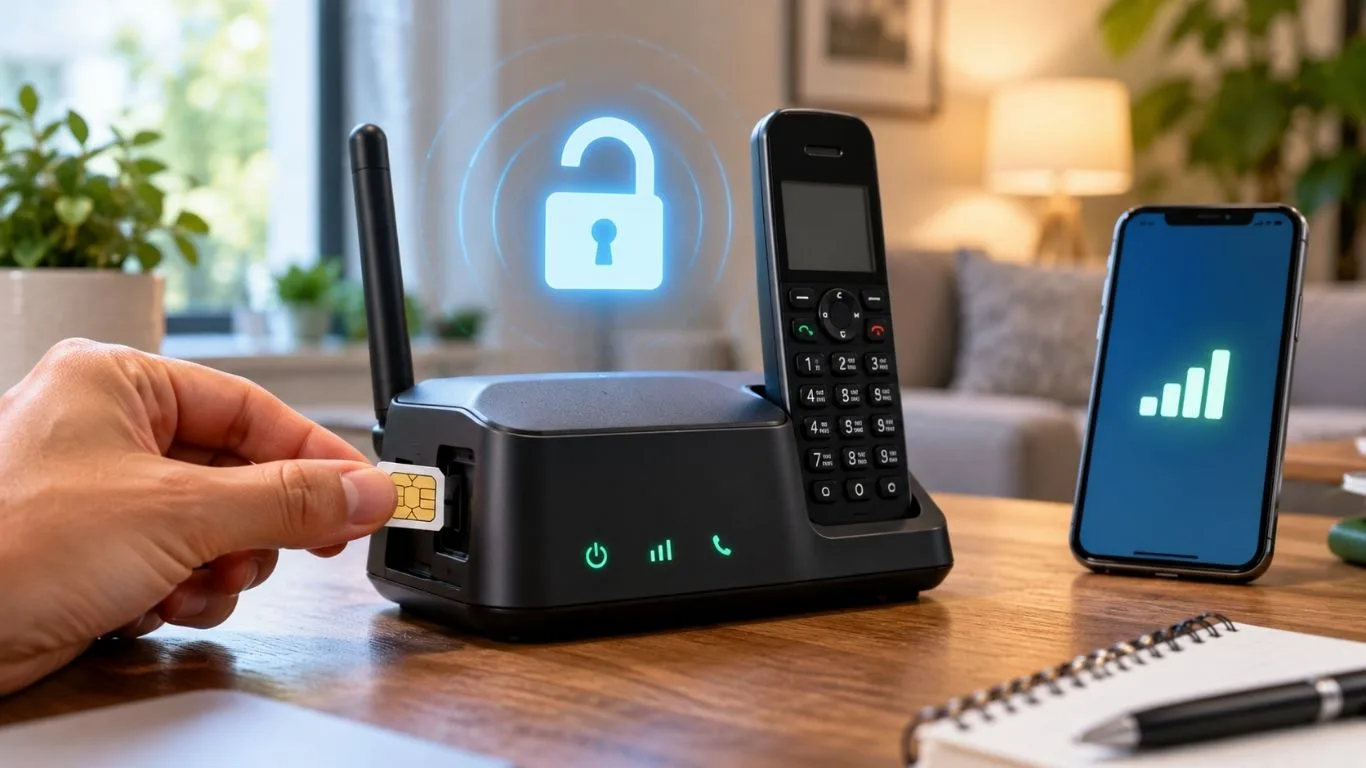
- You can now use SIM cards from any compatible carrier, both local and international.
- Mobile data or MMS might not work until you update your APN settings manually.
- Unlocked phones typically have higher resale value and sell faster.
- Not all features (like 5G, VoLTE, or Wi-Fi calling) may work on your new network.
- Carrier unlock doesn’t remove iCloud/Google locks or clear unpaid device balances.
When you unlock your phone from a carrier, it means you’re removing the software restrictions that tie your device to one specific network. This opens the door for you to use SIM cards from other carriers—locally or internationally—without needing to buy a new phone. After unlocking, you’ll be able to switch to cheaper plans, enjoy better travel flexibility, and even increase your phone’s resale value. Whether you use the official carrier request, an unlock code, or a trusted third-party service, the key change is that your phone becomes more versatile. However, features like 5G, Wi-Fi calling, and visual voicemail may vary depending on your new carrier’s compatibility.
Locked vs. Unlocked Phones: What Really Changes After Carrier Unlocking
This comparison table highlights the key differences between carrier-locked and unlocked phones. If you’ve recently unlocked your phone—or are considering it—this chart gives you a clear, side-by-side view of what changes, what stays the same, and how unlocking can impact your flexibility, features, and long-term value.
| Feature | Locked Phone | Unlocked Phone |
|---|---|---|
| Carrier Flexibility | Limited to one carrier | Works with any compatible carrier |
| SIM Card Compatibility | Only accepts SIMs from original carrier | Accepts SIMs from any carrier (local or international) |
| Roaming Costs | High when traveling abroad | Can avoid roaming by using local SIMs |
| Monthly Plan Options | Restricted to carrier’s available plans | Access to prepaid, budget, or international plans |
| Resale Value | Lower—fewer buyers interested | Higher—more buyers want unlocked devices |
| Dual SIM/eSIM Functionality | Often restricted or disabled | Fully functional (varies by device) |
| Carrier Bloatware | Pre-installed apps may not be removable | May remain unless reset or removed manually |
| OTA Updates | Controlled by original carrier | May still follow carrier schedule unless debranded |
| Warranty Impact | Remains intact with official carrier lock | Still valid with official unlock (check policy) |
| Unlock Reversal Risk | Not applicable | Permanent if unlocked officially; risky if third-party |
What is Carrier Unlocking?
Carrier unlocking is the process of removing the software restrictions that tie your phone to a specific mobile network. When a phone is “locked,” it can only accept SIM cards from the carrier it was originally sold through. For example, if you bought a device from AT&T, you can’t just pop in a T-Mobile SIM and expect it to work—unless the phone is unlocked. On the other hand, an “unlocked” phone is free to work with virtually any compatible carrier worldwide, giving users more flexibility in choosing plans, traveling, or switching providers.
Carriers lock phones mainly for business reasons. It’s a strategy used to keep customers within their network, especially when phones are sold at a discount or through installment plans. By locking the device, carriers ensure that customers won’t just take the subsidized phone and use it on a competitor’s network.
Technically, unlocking a phone involves changing how your phone’s IMEI number (a unique identifier) is recognized in the carrier’s database. Once your IMEI is removed from their locked list—or added to the universal whitelist—your device becomes free to use with other SIM cards. Some phones unlock via codes, others through server-side processes, and more recently, some models get unlocked automatically once they meet carrier requirements.
carrier unlocking is legal and supported by regulations from the FCC and CTIA in the U.S. As long as the device is paid off and meets the provider’s criteria, users have the right to unlock it. These rules are designed to support consumer freedom and promote competition in the mobile market.
What Changes After You Unlock Your Phone?
Unlocking your phone from a carrier may feel like a simple switch, but it can lead to several important changes—some immediate, others more subtle. Understanding these changes will help you get the most out of your newly unlocked device.
1. Immediate Effects
The most obvious change is SIM card flexibility. Once your phone is unlocked, you can insert SIM cards from any compatible carrier, both domestic and international. You’ll no longer see frustrating messages like “SIM Not Supported.” If your device supports Dual SIM or eSIM, unlocking allows you to manage two networks at once—perfect for keeping separate work and personal lines or using a local SIM when traveling. This added flexibility is one of the main reasons people unlock their phones.
2. Network Access
Your phone will now try to connect to a new carrier’s towers, but results may vary depending on network compatibility. Not all phones support every LTE or 5G band used by different carriers. You might also need to manually configure the APN (Access Point Name) settings to get mobile data, MMS, and hotspot features working correctly. In many cases, the phone will detect these settings automatically, but it’s not guaranteed. While voice, text, and data should work, special features like Wi-Fi calling or carrier-specific VoLTE may not function unless your new provider supports them.
3. Software and System Behavior
After unlocking, you might expect changes to the software experience, but the impact here is usually minimal. Carrier bloatware (pre-installed apps) typically stays unless you manually remove them or perform a factory reset. Operating system updates (OTA updates) still come through—but how and when depends on the brand. iPhones get updates directly from Apple regardless of carrier, but Samsung or Pixel devices may still receive updates on the original carrier’s schedule, especially if branded firmware is in use. Visual changes like boot logos or startup animations often stay the same unless the firmware is changed manually.
4. Phone Performance and Features
Unlocking your phone doesn’t directly affect performance—your battery life and signal strength should remain stable. However, if your new carrier has weaker coverage in your area or uses different frequencies, you may notice changes in connectivity. Features like 5G access, Wi-Fi calling, VoLTE, visual voicemail, and eSIM profiles depend heavily on what your new carrier supports. Some may work flawlessly, while others might require extra setup or may not work at all.
In short, unlocking gives you freedom—but it’s wise to check your new carrier’s compatibility with your phone’s hardware and features to avoid surprises.
Benefits of Unlocking After the Fact
Unlocking your phone after fulfilling your carrier’s contract—or even before, if you’re eligible—can unlock more than just your SIM slot. It opens up a range of real-world advantages that can save you money, increase your phone’s value, and give you more control over how and where you use your device.
One of the biggest benefits is travel freedom. Instead of paying expensive international roaming fees, you can simply buy a local SIM card when visiting another country. This lets you stay connected affordably, with local data and call rates, while still using your personal apps and contacts.
Another major perk is improved resale value. Unlocked phones are far more attractive on the secondhand market. Whether you’re selling on eBay, Swappa, or Facebook Marketplace, buyers are willing to pay more for a device that isn’t tied to one carrier—and it usually sells faster too.
Unlocking also gives you the power of carrier shopping. You’re no longer stuck with one provider, so you can easily switch to budget-friendly options like Mint Mobile, Visible, Tello, or other prepaid carriers that offer flexible, low-cost plans. This is especially useful for people who don’t want to commit to long-term contracts or pay for features they don’t use.
If your phone supports eSIM, unlocking allows you to add a second line or load an international profile while keeping your primary number active. This is ideal for digital nomads, remote workers, or anyone juggling personal and professional communications.
Lastly, many SIM-only plans—which tend to be cheaper and more flexible—are only available to users with unlocked devices. By unlocking your phone, you gain access to a broader range of deals, allowing you to customize your plan based on actual usage instead of being locked into one-size-fits-all pricing.
What Doesn’t Change (Important Limitations)
While unlocking your phone brings more freedom, it doesn’t magically erase every restriction tied to your device. There are still several limitations that stay in place even after a successful carrier unlock, and it’s important to be aware of them before you make any major decisions.
First, unlocking doesn’t remove a blacklist status. If your phone is reported lost, stolen, or tied to unpaid bills, it may still be blacklisted by carriers—even if it’s technically unlocked. This means it won’t connect to networks in your region, and in some cases, even overseas. The same goes for financed phones; unlocking won’t cancel the debt. You’re still responsible for paying off your installment plan, and the carrier may re-lock the device or restrict service if payments are missed.
Also, your monthly bill and contract obligations don’t disappear just because your phone is now compatible with other carriers. You’re still bound by the terms of your original agreement until the contract is fully fulfilled or officially terminated.
Another factor to consider is warranty and technical support. Depending on the phone brand and your original carrier, unlocking may impact eligibility for repairs, exchanges, or customer service. Some manufacturers provide universal support regardless of network status, while others may refer you back to your original carrier for assistance—even if you’ve switched networks.
Lastly, unlocking doesn’t automatically clean up your phone’s software. Pre-installed carrier apps and bloatware usually remain on the device unless you perform a full factory reset or use more advanced tools like rooting (which carries its own risks). So while you gain freedom in how you use your device, the software experience may still carry remnants of your previous carrier.
What to Watch Out For (Post-Unlock Pitfalls)
Unlocking your phone is a big step toward freedom, but it’s not always smooth sailing afterward. Several issues can pop up if you’re not careful, and some might leave you without service or frustrated with performance. Here’s what to watch out for once your device is unlocked.
One of the most common problems is APN configuration. APN (Access Point Name) settings control your phone’s ability to connect to mobile data and send MMS messages. When switching carriers, your phone might not automatically update these settings. Until you manually configure the APN, you could experience no mobile data or broken texting functionality—even if your phone shows a strong signal.
Another thing to consider is carrier incompatibility, especially with older devices. Some phones were built specifically for CDMA networks (like Verizon and Sprint) or GSM networks (like AT&T and T-Mobile). While most modern phones are cross-compatible, some features might not work well—or at all—if the phone wasn’t originally designed for your new network’s technology.
Be aware of network throttling and reduced speeds when switching to certain low-cost MVNOs (Mobile Virtual Network Operators). Even with a fully unlocked phone, you might experience slower speeds during peak times or limited access to premium network features like 5G or hotspot usage. This isn’t a phone problem—it’s part of the plan you’re using.
It’s also important not to confuse carrier unlocking with activation lock removal. Unlocking a phone for network use doesn’t bypass security features like Apple’s iCloud lock or Google’s FRP (Factory Reset Protection). If the device is still linked to the original owner’s account, it may remain unusable until that account is removed—regardless of the carrier status.
Finally, watch out for unlocking scams. If you use a shady third-party service or download questionable software, you risk damaging your device or handing over your IMEI and personal data to scammers. Always verify the legitimacy of an unlock provider, and use official carrier methods whenever possible to avoid being locked out—or worse, blacklisted.
Popular Use Cases After Unlocking
Once your phone is unlocked, the possibilities for how you use it expand dramatically. Whether you’re traveling, saving money, running a business, or selling devices, an unlocked phone gives you more options than a carrier-restricted one. Here are some of the most common and practical use cases where an unlocked device makes a real difference.
1. International Travelers
For those who frequently travel abroad, unlocking a phone is almost essential. Instead of paying sky-high roaming fees, you can buy a local SIM card in countries across Europe, Asia, or anywhere else you visit. This gives you access to local rates for calls, texts, and data. Many newer phones also support eSIM, which lets you keep your home number active while adding a second line for local service. That means you can keep receiving messages from home while using cheap data overseas—without juggling two phones.
2. College Students and Budget Users
Students and those on tight budgets often benefit the most from an unlocked phone. It allows you to switch to more affordable prepaid carriers like Mint Mobile, Visible, or Tello, which often offer better value than the big names. Unlocked phones also give families more flexibility—you can share plans across different carriers based on who gets the best deal or coverage in your area. You’re not locked into a single provider just because one person bought a phone from them.
3. Small Businesses and Entrepreneurs
For small businesses, unlocked phones provide both flexibility and cost savings. You can buy unlocked devices in bulk and assign them to temporary staff or seasonal workers without dealing with contracts or long-term commitments. This is especially helpful for startups or mobile teams. Additionally, you avoid being stuck with expensive business plans from major carriers—you can mix and match SIM-only deals that suit your team’s actual usage.
4. Resellers and Refurbishers
If you sell phones, unlocking them opens the door to more profit. Unlocked phones fetch higher resale prices and sell faster because they appeal to a wider audience. You’re not just limited to buyers on one network. Plus, unlocked phones are easier to export or sell internationally, giving you access to a global customer base. Whether you’re flipping a few phones on eBay or running a full refurbishing business, unlocking devices can significantly improve your margins and inventory turnover.
In every case, unlocking isn’t just about switching SIMs—it’s about giving yourself or your customers more options, better value, and fewer restrictions.
📖 Also Read: What is Carrier Unlock and How Does It Work?
What to Do Right After Unlocking Your Phone
Unlocking your phone is just the beginning—now it’s time to set it up for your new carrier. Here’s a simple, step-by-step guide to ensure everything runs smoothly once your phone is unlocked:
1. Remove the Old SIM Card
Eject your current SIM card using a SIM tool or paperclip. This clears the way for your new carrier’s SIM to take over.
2. Insert the New SIM Card (from a Different Carrier)
Place the new SIM into your phone. Make sure it’s properly seated and compatible with your device.
3. Reboot Your Phone
Restart your phone to allow it to recognize the new network and apply updated settings automatically.
4. Check for Signal, Data, and Calling
Once rebooted, check if you have signal bars and test calling, texting, and browsing. This confirms that the phone is properly connecting to the new network.
5. Set Up APN Manually (If Needed)
If mobile data or MMS isn’t working, go into network settings and manually configure the APN using the new carrier’s info. This is often required when switching to prepaid or international SIMs.
6. Test VoLTE, 5G, and Wi-Fi Calling
Go to your settings and make sure features like VoLTE (Voice over LTE), 5G connectivity, and Wi-Fi Calling are available and functioning, depending on your carrier support.
7. Run a Speed Test and SMS Test
Use a speed test app (like Speedtest by Ookla) to check download/upload performance. Also, send a few test messages to verify SMS/MMS is working as expected.
8. Contact the New Carrier for the Best Plan Options
Reach out to your new carrier or visit their app/website to explore plan options, data bundles, or promotional offers now available to your unlocked device.
Following these steps ensures your newly unlocked phone is fully functional, optimized, and ready to give you the flexibility and savings you unlocked it for in the first place.
Mistakes to Avoid After Unlocking
Unlocking your phone gives you more freedom—but using that freedom wisely requires a little caution. If you skip key steps or make wrong assumptions, you might end up with service issues or even re-lock your device unintentionally. Here are the most common mistakes to avoid once your phone is unlocked:
Don’t assume every SIM will work. Just because your phone is unlocked doesn’t mean it’s compatible with every carrier. Different carriers use different network bands and technologies (like GSM or CDMA), so always check if your phone supports the frequencies used by the new provider before inserting the SIM.
Don’t forget to update your carrier settings or PRL (Preferred Roaming List). These settings help your phone connect properly to your new network. Without updating them, you might face issues like dropped calls, missing texts, or no data. Most phones update this automatically, but sometimes you need to manually trigger it in your settings or by dialing a special code.
Avoid resetting network settings too early. If your phone isn’t connecting right away, it’s tempting to reset the network settings—but don’t do this until you’ve saved your APN (Access Point Name) information. A reset wipes out your APN settings, which can prevent your mobile data or MMS from working until you reconfigure them.
Don’t factory reset until you’re sure the unlock has taken effect. Some unlocks are “soft” until they connect to a new network or activate post-reboot. Performing a full reset too early could undo the unlock, especially if it was done through unofficial means or temporary software.
Never install sketchy unlocking apps or tools. Using third-party software from untrusted websites can compromise your phone’s security, damage the firmware, or even re-lock your device. Stick to official carrier unlocks or reputable services with solid reviews, and avoid anything that asks for unnecessary permissions or payment upfront without a guarantee.
By steering clear of these common mistakes, you’ll protect your phone, maintain a smooth user experience, and get the full benefits of being truly unlocked.
📖 Also Read: How to Use a Carrier Unlock App
Is Unlocking Always Worth It?
Unlocking your phone can be a smart move—but it’s not always the best choice for everyone. Whether it’s worth it depends on your specific needs, your device’s age, and how you plan to use it going forward. Let’s break down when unlocking makes sense, and when you might be better off simply upgrading.
When Unlocking Makes Sense
Unlocking is absolutely worth it if you’re planning to switch carriers, travel internationally, or sell your phone. It gives you the flexibility to use any compatible SIM, which can lower your monthly costs and help you avoid expensive roaming fees. It’s also a no-brainer if your phone is already paid off and still works well—why be locked into one provider when you can shop around?
When It’s Better to Upgrade Instead
However, if your device is older, lacks modern network compatibility (like full 5G support), or has poor battery life, unlocking it may not deliver the value you’re hoping for. In some cases, the cost or effort of unlocking—especially through third parties—just isn’t worth it compared to upgrading to a newer model that comes unlocked or is part of a better deal.
Unlocked vs. Carrier Deals: A Real Comparison
Carrier deals often come with perks like zero-down financing, trade-in bonuses, and free upgrades. These offers are tempting, but they usually come with strings attached—contracts, credit checks, and limited carrier freedom. On the other hand, buying an unlocked phone upfront gives you total control. You can switch carriers anytime, avoid hidden fees, and even score cheaper SIM-only plans.
So, is unlocking always worth it? Not necessarily. But if your phone is in good shape and you value flexibility, freedom, and long-term savings, it’s often the smarter move—especially in today’s competitive mobile market.
Tools and Resources to Use After Unlocking
Once your phone is unlocked, having the right tools on hand can make the transition to a new carrier smoother and help you get the most out of your device. Whether you’re troubleshooting data issues, verifying compatibility, or setting up an eSIM, these resources can save time and prevent headaches.
APN Configuration Sites
If your mobile data or MMS isn’t working after inserting a new SIM, chances are you need to update your APN settings. Websites like apnsettings.org offer step-by-step guides and correct APN details for hundreds of carriers worldwide. This is especially useful when switching to a smaller or international provider that doesn’t configure automatically.
IMEI Checkers
Before selling, buying, or using a newly unlocked phone, it’s smart to check the IMEI (your phone’s unique ID). Tools like Swappa and IMEI.info let you confirm if the device is blacklisted, locked, or ready for use on other networks. This helps avoid nasty surprises—especially when purchasing used phones.
Signal Checkers
Apps like Cellmapper help you identify nearby cell towers, signal strength, and the frequency bands in use. This is handy after switching carriers, allowing you to optimize placement for better reception or verify that your new provider actually supports your phone’s hardware.
Unlock Status Checker Tools
Some carriers and third-party services offer online tools to check your device’s unlock status using your IMEI. Whether you’re confirming if your phone was successfully unlocked or checking before you buy a used phone, these tools provide peace of mind and save time on support calls.
eSIM Provider Marketplaces
If your phone supports eSIM, you can activate a second line or local data plan digitally. Platforms like Airalo, Holafly, and Ubigi offer global eSIMs for travel, short-term use, or budget-friendly plans. They’re especially useful for frequent flyers or remote workers who need connectivity without juggling physical SIMs.
Using these tools after unlocking ensures you’re fully set up for success—whether you’re staying local, traveling abroad, or preparing to sell your device.
📖 Also Read: AT&T 16-Digit Network Unlock Code
Frequently Asked Questions (FAQs)
Will my warranty still be valid after unlocking?
In most cases, yes. If you unlock your phone through official carrier channels or manufacturer-approved methods, your warranty remains intact. However, if you use third-party tools or unofficial software, you may risk voiding your warranty—especially if the device gets damaged during the process.
Can I go back to my old carrier after unlocking?
Absolutely. Unlocking your phone doesn’t prevent you from returning to your original carrier. You can use any compatible SIM, including your previous provider, as long as the phone still supports that network’s frequencies and services.
What if my phone doesn’t get 5G with the new SIM?
That could be due to network compatibility. Not all carriers use the same 5G bands, and some unlocked phones may not support every band used by your new provider. You should check whether your phone model is fully compatible with the carrier’s 5G network.
Does unlocking erase my data?
No. Unlocking your phone—whether done via code, app, or server-side process—does not erase your data. That said, it’s always smart to back up your phone before making any major changes, just in case.
Can I unlock a phone that’s still being financed?
In most cases, carriers require that the phone be fully paid off before approving an unlock request. If you’re still financing the phone, it might be possible to unlock it, but you’ll likely still owe the remaining balance—and defaulting on it could lead to the phone being blacklisted.
Do I have to unlock my phone again if I reset it?
No. Once your phone is officially unlocked, the status is permanent—even if you do a factory reset or install a software update. However, if the phone was unlocked using unofficial software, a reset could potentially re-lock the device, so be cautious with non-official methods.
Final Thoughts: Freedom or Frustration?
Unlocking your phone from a carrier can feel like taking off the training wheels—it gives you more control, more options, and often, better value. Once unlocked, your phone becomes compatible with a wider range of networks, lets you travel with ease, and becomes easier to sell. However, this freedom doesn’t come without a few catches. You may still need to configure APN settings, check for compatibility issues, and avoid unreliable unlock methods.
So, is the freedom worth the process? For most people—yes. Especially if you want to save money on monthly bills, travel internationally, or simply escape carrier contracts. But the key is preparation. Do your research, know your device’s limitations, and always use official unlocking methods when available. This ensures you don’t lose features, void your warranty, or end up with a phone that’s only half-functional.
And here’s one final tip: don’t wait until you’re switching carriers or boarding a flight to start unlocking. Request it early, test everything in advance, and make the transition as smooth as possible. When done right, unlocking your phone offers more freedom—with none of the frustration.