
Quick Answer: Unlocking your phone is legal as long as you’ve paid off the device or completed your contract. However, unlocking before your contract ends may violate your carrier’s terms, so it’s important to check with your carrier first.
Unlocking a phone is a common concern for many users. Whether switching carriers, selling a device, or traveling abroad, the ability to use a phone with any network is a big advantage. However, there is often confusion about whether unlocking a phone is legal or not.
The good news is that unlocking your phone is legal in most cases, but specific rules apply. Understanding these laws and ensuring the process is done correctly can help avoid issues. Let’s break it all down in simple terms.
What Does Phone Unlocking Mean?
When a phone is “locked,” it means it’s programmed to work only with a specific carrier. This happens because carriers sell phones at discounted rates, locking them to their network to recover costs through your service plan.
Unlocking a phone means removing this restriction so that you can use it with any compatible carrier.
This is different from jailbreaking or rooting, which modify the phone’s software to remove manufacturer restrictions. Unlocking is purely about network freedom.
Is Unlocking Your Phone Legal?
In the United States
Yes, unlocking your phone is legal in the U.S. thanks to the Unlocking Consumer Choice and Wireless Competition Act, passed in 2014. This law ensures that consumers can legally unlock their phones under specific conditions:
- You can unlock your phone once you’ve paid off your contract or device balance.
- Your carrier must provide an unlock code upon request, as long as you meet their criteria.
- It is completely legal to buy and sell unlocked phones.
Other Countries
- Canada: Unlocking is 100% legal, and carriers must unlock phones for free upon request.
- UK & EU: It’s legal, and many carriers sell unlocked phones by default.
- Australia: Unlocking is legal, but some carriers may charge a small fee if the contract is still active.
Before unlocking your phone, always check your carrier’s policies to avoid unnecessary trouble.
How to Unlock Your Phone Legally

Step 1: Check If Your Phone Is Eligible
Before unlocking, make sure your phone meets these basic conditions:
- It must be fully paid off (if bought on a payment plan).
- It must not be reported lost or stolen.
- It must have been active on the network for a certain period (varies by carrier).
Step 2: Contact Your Carrier
Each carrier has a different process, but here’s the general method:
- Call or visit your carrier’s website to request an unlock.
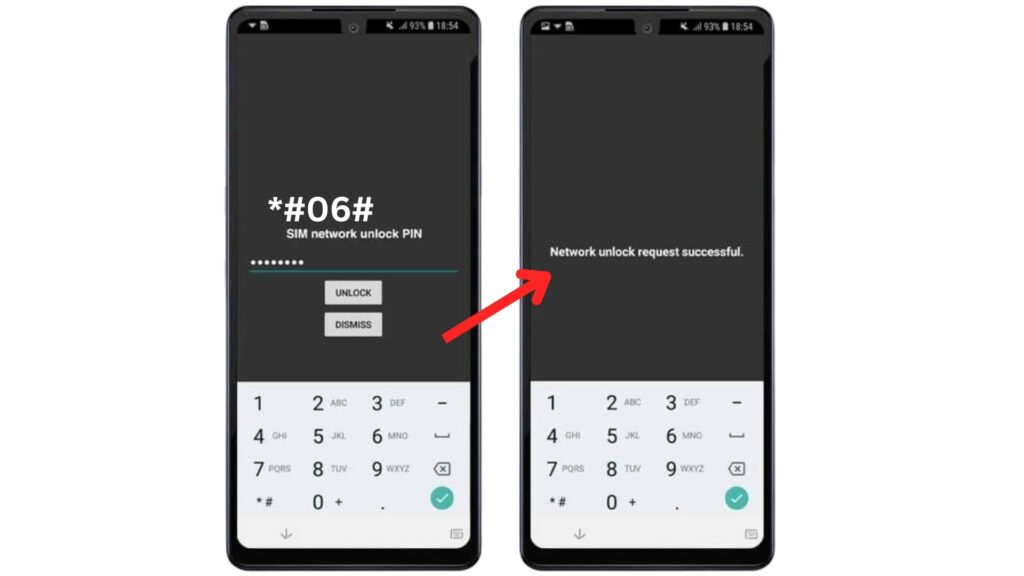
- Provide your IMEI number (found in your phone settings or by dialing *#06#).
- Wait for approval and receive your unlock code.
Step 3: Enter the Unlock Code
Once you have the unlock code:
- Insert a SIM card from a different carrier.
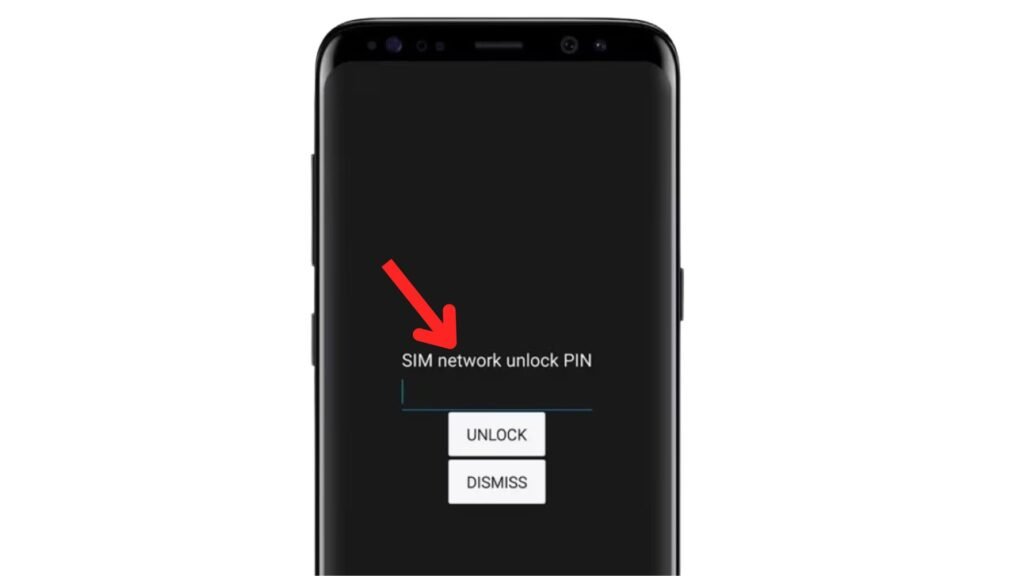
- Enter the unlock code when prompted.
- Restart your phone and enjoy your freedom!
Other Unlocking Methods
If your carrier refuses to unlock your phone, you can:
- Use a third-party unlocking service (make sure it’s trustworthy).
- Buy an unlocked phone if you want to avoid the hassle.
Risks & Things to Consider
Voiding Warranties
Some manufacturers may void your warranty if you unlock your phone through unauthorized methods. Always check your warranty terms.
Security Risks
Using an unreliable third-party service could expose your phone to malware or data theft. Stick to reputable sources!
Network Compatibility Issues
Not all unlocked phones work with all carriers. Some phones only support specific network types (GSM or CDMA), so check before switching.
Why Unlocking Your Phone Is a Smart Move
Switching Carriers Easily
No more being stuck with one provider—you can choose the best plan available!
Higher Resale Value
Unlocked phones sell for more money since they can be used with any network.
Cheaper International Travel
When traveling, an unlocked phone lets you use local SIM cards instead of paying expensive roaming fees.
Final Thoughts
Unlocking your phone is completely legal in most countries and gives you the flexibility to switch carriers, increase resale value, and save on international roaming fees. Just make sure to follow your carrier’s guidelines and use reputable methods to avoid risks.
If you’re not sure whether your phone can be unlocked, start by checking with your carrier or using an IMEI checker. A legally unlocked phone means more freedom and better options for you!
Don’t Miss It:
- How to Unlock Your Phone for Free (Legit Ways)
- How to Easily Unlock your Phone with a Third-Party Service
- Carrier Unlock vs. Jailbreaking: What’s the Difference?
FAQs
Is unlocking your phone illegal?
No, unlocking your phone is not illegal in many cases, especially if you’ve paid off the device or completed your contract. In the U.S., the Unlocking Consumer Choice and Wireless Competition Act made phone unlocking legal, provided you’re following the terms outlined by your carrier. However, unlocking a phone before your contract ends may violate certain terms and conditions.
What is the law for unlocking phones?
The Unlocking Consumer Choice and Wireless Competition Act (2014) allows consumers to unlock their phones legally after fulfilling their contract or paying off the device. It’s important to note that unlocking a phone during a contract period may be a violation of the carrier’s terms of service, so it’s always best to check with your carrier before proceeding.
Is it illegal to unlock someone’s phone without permission?
Yes, it is illegal to unlock someone else’s phone without their permission. Doing so can lead to legal consequences, as it’s considered unauthorized access to another person’s device. Always seek consent before attempting to unlock someone else’s phone.
Is it OK to unlock your phone?
Yes, it’s generally OK to unlock your own phone as long as you meet the necessary requirements, such as paying off the device or completing your contract. Unlocking your phone can offer flexibility and allow you to switch carriers or use it with a local SIM while traveling. Be sure to check your carrier’s policies and terms before unlocking your device.
Can you legally unlock an iPhone?
Yes, you can legally unlock an iPhone, provided you meet the conditions set by your carrier. If your iPhone is fully paid off or you’ve completed your contract, your carrier should be able to unlock it for you. However, some carriers may have additional steps or conditions for unlocking. Always check with your carrier to ensure you’re following the correct process.