
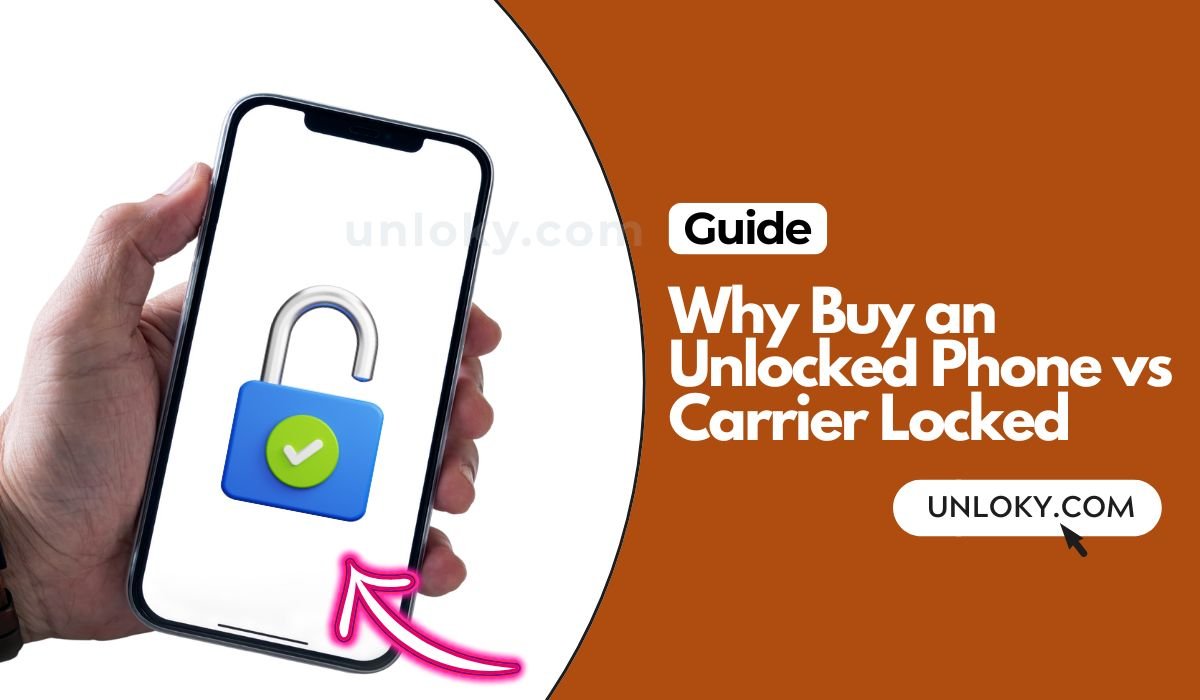
When you buy a new smartphone, one of the first choices you face is whether to go with an unlocked phone or a carrier-locked one. At first glance, it may not seem like a big deal. After all, the phone looks the same, runs the same apps, and lets you call, text, and browse. But beneath the surface, the difference between unlocked and locked phones can have a big impact on your freedom, costs, and long-term satisfaction.
In this guide, we’ll explore why buying an unlocked phone is often the smarter choice compared to sticking with a carrier-locked device. We’ll cover the pros and cons, real-life use cases, and long-term benefits so you can make an informed decision.
Key Takeaways
- Carrier-locked phones are tied to one provider When you buy a locked phone, it only works with the carrier you purchased it from until you meet unlock requirements.
- Unlocked phones give you freedom and flexibility You can use any carrier’s SIM card, switch plans whenever you like, and avoid restrictions that come with locked devices.
- Locked phones may cost less upfront Carriers often offer discounts or financing options, but these savings are balanced by higher monthly plan costs and long-term commitments.
- Unlocked phones often hold better resale value Because they aren’t tied to one carrier, unlocked devices are easier to sell and more attractive to buyers.
- Choosing unlocked is better for long-term savings and control – If you value flexibility, travel often, or want the freedom to shop around for the best deals, an unlocked phone is usually the smarter investment.
Quick Answer
Buying an unlocked phone gives you more freedom because you can switch carriers anytime, avoid contracts, and use local SIM cards when traveling to save on roaming costs. Unlocked phones also tend to have higher resale value and fewer pre-installed carrier apps. On the other hand, a carrier-locked phone usually costs less upfront thanks to subsidies, financing, or promotions, and it comes with integrated support directly from the carrier. The best choice depends on your priorities: if you want long-term flexibility and savings, go unlocked; if you prefer immediate affordability and bundled carrier support, a locked phone might suit you better.
What Does “Unlocked Phone” Really Mean?
An unlocked phone is a device that isn’t tied to a specific carrier. You can insert a SIM card from any compatible carrier, and the phone will work right away. Unlocked phones give you flexibility and freedom to choose the provider and plan that best fit your needs.
A carrier-locked phone, on the other hand, is restricted to one provider. If you buy a phone from Verizon, T-Mobile, or AT&T, it may only work with that company’s SIM card until you pay off the contract, request an unlock, or meet specific requirements. Carriers lock phones so you stay within their ecosystem, but that comes at a cost to you.
Why Carriers Lock Phones
Carriers often promote locked phones with installment plans, trade-in deals, or discounts. At first, this seems attractive because you’re paying less upfront. However, the “deal” locks you into their network for months or years.
The business logic is simple: carriers want to make sure they recover the subsidy they offered you. By locking the phone, they prevent you from switching to a cheaper or better service until you’ve fulfilled the terms. While this protects carriers, it limits your ability to shop around and save money.
📖 Also Read: Verizon Unlock Policy Explained for 2025: When and How It Unlocks
Advantages of Buying an Unlocked Phone
1. Freedom to Switch Carriers Anytime
The biggest reason to buy an unlocked phone is flexibility. If you find a cheaper plan or a carrier with better coverage in your area, you can switch immediately. You’re not stuck waiting out a contract or unlock period.
For example, if T-Mobile has great service in your city but you move to an area where Verizon is stronger, an unlocked phone makes switching seamless. Just pop in a new SIM card, and you’re good to go.
2. Better Travel Experience
If you travel internationally, unlocked phones are a game-changer. With a locked phone, you’re often stuck with expensive roaming charges. But with an unlocked device, you can buy a local SIM card in the country you’re visiting and enjoy affordable data and calls.
Travelers often save hundreds of dollars on trips simply by using a local prepaid SIM instead of paying their home carrier’s roaming fees.
3. Higher Resale Value
Unlocked phones generally sell for more on the secondhand market. Buyers prefer unlocked devices because they know they’ll work with their carrier of choice. If you upgrade phones every year or two, this higher resale value can offset the cost of buying unlocked in the first place.
4. No Bloatware or Restrictions
Many carrier-locked phones come preloaded with apps you don’t need—often called bloatware. These apps can take up storage space and sometimes can’t be uninstalled. Unlocked phones usually come cleaner, giving you more control over your device.
In addition, carriers sometimes delay software updates. With an unlocked phone, you’re more likely to receive timely security patches and Android or iOS updates directly from the manufacturer.
5. True Ownership
When you buy a locked phone on a contract or payment plan, the carrier technically has control over the device until it’s paid off. With an unlocked phone, you own the device outright from day one. That means no hidden strings attached.
Drawbacks of Buying an Unlocked Phone
While unlocked phones have many benefits, there are a few downsides to consider.
- Higher Upfront Cost – Since you’re not getting carrier subsidies, you may need to pay the full price of the phone at once. For high-end devices like the iPhone 15 or Samsung Galaxy S24 Ultra, that could mean $1,000 or more upfront.
- Limited Financing Options – Carriers often let you pay for a locked phone over 24–36 months. With an unlocked phone, you may need to finance through the manufacturer (like Apple or Samsung) or pay all at once.
- Fewer Promotions – Carrier-locked phones sometimes come with big trade-in deals or free phone offers. These promotions may not apply to unlocked models.
Still, when you look at the long-term freedom and cost savings, many people find unlocked phones worth the initial investment.
📖 Also Read: How Long for Metro by T‑Mobile to Auto‑Unlock Your Device?
When a Carrier-Locked Phone Makes Sense
While unlocked is usually better, there are situations where a carrier-locked phone could be a smart choice:
- Budget Constraints – If you can’t afford a large upfront payment, a locked phone with monthly installments may fit your budget.
- Special Promotions – Some carriers offer huge discounts or free phones with contracts. If you don’t plan to switch carriers anytime soon, this might be appealing.
- All-in-One Convenience – Buying directly from a carrier simplifies things since your device, plan, and payments are bundled together.
That said, always read the fine print. Carriers often recoup the discount with higher monthly service costs.
Cost Comparison: Unlocked vs Carrier-Locked
Imagine two people buying the same phone:
- Alex buys an unlocked phone for $900. He chooses a prepaid plan for $40/month. Over two years, he spends $1,860 total.
- Taylor buys a carrier-locked phone for $300 upfront (discounted). But the plan costs $70/month with a two-year contract. Over the same period, Taylor spends $1,980 total.
Even though Taylor saved upfront, Alex saves more in the long run thanks to cheaper plan flexibility. Plus, Alex’s unlocked phone will sell for more if he decides to upgrade.
Unlocked Phones and 5G Compatibility
One common concern is whether unlocked phones support the latest network technologies like 5G. The good news is that most modern unlocked phones support multiple bands, making them compatible with major U.S. carriers.
However, you should always double-check the phone’s specifications against the carrier’s supported bands. For example, Verizon relies heavily on CDMA and specific 5G frequencies, so compatibility matters. Thankfully, most flagship unlocked phones from Apple, Samsung, and Google are universally compatible.
How to Tell If a Phone is Locked or Unlocked
Not sure whether your phone is locked? You can check easily:
- On iPhone, go to Settings > General > About. Look for “Carrier Lock.” If it says “No SIM restrictions,” your phone is unlocked.
- On Android, insert a SIM card from another carrier. If the phone connects to the network, it’s unlocked. If it shows an error or asks for an unlock code, it’s locked.
📖 Also Read: I Unlocked My T-Mobile Samsung Phone: A Simple, Real-Unlocking my Experiences That You Can Repeat
Unlocking a Carrier-Locked Phone
If you already have a locked phone, don’t worry. Most carriers allow you to unlock your device after certain conditions are met.
- AT&T – Requires 60 days of active service with no unpaid balance.
- T-Mobile – Usually 40 days of service for postpaid accounts.
- Verizon – Unlocks automatically after 60 days.
- MetroPCS/Cricket/Straight Talk – Often require 6–12 months of service.
Once unlocked, your phone works just like an unlocked model.
Why More People Are Choosing Unlocked Phones in 2025
With rising competition among prepaid carriers, mobile virtual network operators (MVNOs), and international travel becoming easier, unlocked phones are gaining popularity. Services like Mint Mobile, Visible, and Google Fi offer affordable plans that often cost half of what big carriers charge.
The only catch? Many of these services require unlocked phones. Consumers who want flexibility, savings, and control are realizing that buying unlocked upfront is worth it.
Final Thoughts
Buying a phone is a big investment, and the choice between unlocked and locked can shape your mobile experience for years. While carrier-locked phones may look attractive with discounts and promotions, unlocked phones give you something more valuable—freedom.
Freedom to choose the carrier you want. Freedom to travel without huge roaming fees. Freedom to resell your phone easily. Freedom to own your device without hidden strings.
If you’re thinking long-term and want the best balance of flexibility, control, and overall value, buying an unlocked phone is usually the smarter move.
FAQs About Unlocked vs Carrier-Locked Phones
Is it better to get an unlocked phone or carrier specific?
An unlocked phone is usually better because it gives you the freedom to switch carriers, use cheaper plans, and travel internationally with local SIM cards. A carrier-specific phone might save you money upfront with discounts or financing, but it limits your flexibility until the phone is unlocked.
Is there a downside to buying an unlocked phone?
The main downside of buying an unlocked phone is the higher upfront cost. Unlike carrier-locked phones, which often come with installment plans, you usually pay the full price of an unlocked phone at once. You may also miss out on certain promotions or trade-in deals from carriers.
Why do people buy carrier-locked phones?
Many people choose carrier-locked phones because of lower upfront costs, easy financing, and special deals like free or heavily discounted phones. For some, the convenience of buying the phone and service together outweighs the loss of flexibility.
What happens if I buy a carrier-locked phone?
If you buy a carrier-locked phone, you’ll only be able to use it with that specific carrier until you meet the unlock requirements. Depending on the provider, this may mean keeping the service active for 40 to 60 days, or even up to a year for prepaid plans. Once unlocked, the phone can be used with any compatible carrier.
Why would someone want an unlocked phone?
People buy unlocked phones because they want control over their mobile service. With an unlocked device, you can switch carriers anytime, use affordable prepaid plans, avoid unnecessary bloatware, and resell the phone more easily. Travelers also prefer unlocked phones because they can use local SIM cards abroad instead of paying high roaming fees.
Is it better to get a locked or unlocked iPhone?
An unlocked iPhone is better for most people because it works with any carrier worldwide and gives you more flexibility when switching plans or traveling. A locked iPhone might be more affordable upfront if you buy it directly from a carrier, but you’ll be tied to that provider until it’s unlocked. If you value freedom and long-term savings, an unlocked iPhone is the smarter choice.