
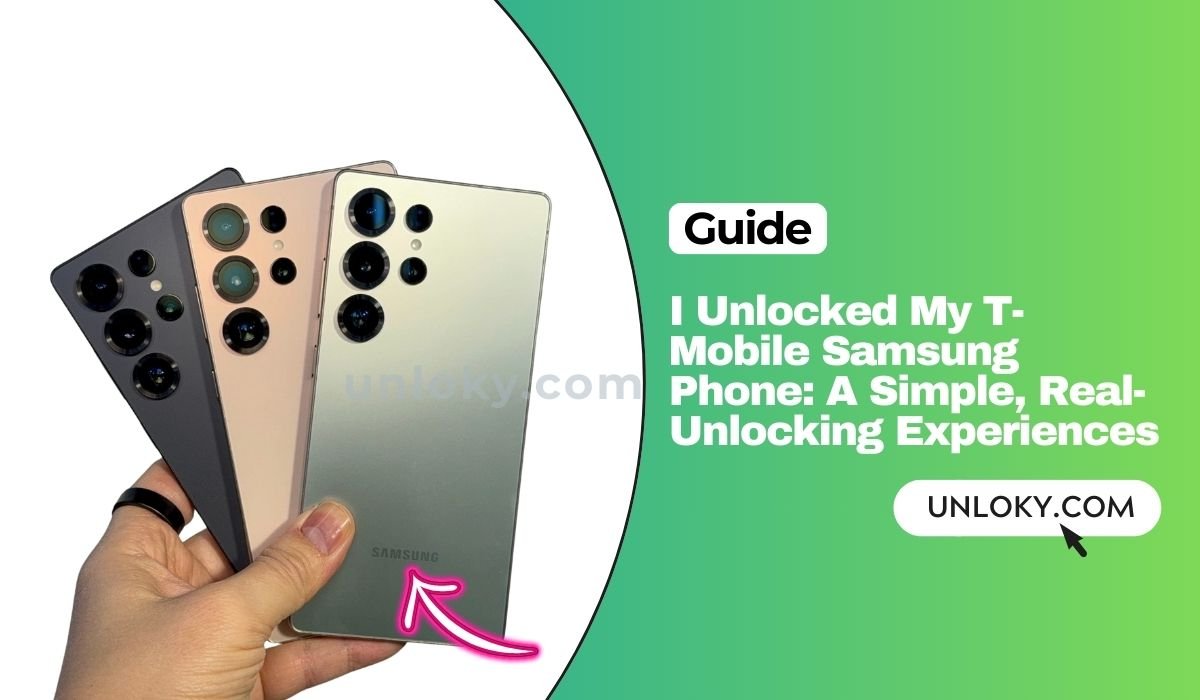
Unlocking a Samsung phone from T-Mobile is not a mystery or a hack. It’s a process. In this guide, I’ll walk you through exactly how I did it step by step, with notes, pitfalls, and plain-language tips you can apply today. I’ll also explain what “unlock” truly means, how long it can take, why some phones unlock automatically, and what to do if yours doesn’t. For search clarity, I’ll echo the key phrase once here as a case study label: “i Am unlock Samsung phone T-Mobile in My Experiences.” That phrase reflects the hands-on method I used official, safe, and free.
This is a long, friendly, and practical read. If you stick with it, you’ll finish with a complete plan tailored to your situation whether you’re on T-Mobile postpaid or prepaid, using a physical SIM or eSIM, traveling abroad, or preparing to switch carriers at home.
What “Unlocking” Actually Means (And What It Doesn’t)
When a Samsung phone is network locked, it will only accept SIM or eSIM service from the carrier that sold it in our case, T-Mobile. Unlocking removes that carrier restriction. After unlock, you can pop in another carrier’s SIM, activate another carrier’s eSIM, or sell the phone with wider appeal.
It’s important to separate network unlocking from other kinds of locks:
- Network unlock: Removes the carrier restriction. This is stored in carrier/manufacturer systems. After a proper unlock, it survives factory resets.
- Screen/PIN/biometric lock: Protects your data on the phone. Unlocking the network does not bypass your PIN or Google/Samsung account.
- FRP (Factory Reset Protection): A theft-prevention feature tied to your account. Not related to network unlocking.
Think of it this way: the network unlock is a green light for the phone to join other networks. It doesn’t open your apps, photos, or passwords—and it shouldn’t.
The Rules That Matter in 2025 (In Plain English)
T-Mobile’s unlock policy is public and straightforward. Here’s the short version you need to know right now:
T-Mobile will automatically and remotely unlock eligible devices within two business days if remote unlock is supported. If a device can’t be unlocked remotely, T-Mobile notifies you with next steps.
General eligibility always includes: the device was sold by T-Mobile, it’s not reported lost/stolen/blocked, your account is in good standing, and you also meet the postpaid or prepaid requirements below.
Postpaid lines: The phone must have been active on T-Mobile for at least 40 days on the line you’re unlocking. If the device was financed or leased, it must be paid in full. If the account was canceled, the balance must be zero.
Prepaid lines: Either 365 days have passed since activation or the line has had more than $100 in refills since activation and the phone is at least 14 days old. There’s also a limit of no more than two unlocks per line in the last 12 months.
Military exception: Deployed customers in good standing can request an unlock with deployment papers.
These carrier rules sit on top of the broader U.S. consumer unlocking framework: carriers must unlock postpaid phones after obligations are met, and prepaid phones no later than one year after activation, subject to reasonable usage/payment requirements.
📖 Also Read: How to Unlock a Verizon Samsung for Free with IMEI
How the Unlock Actually Happens on a Samsung
Modern T-Mobile Samsung phones usually perform the unlock on-device. When the switch is flipped on T-Mobile’s side, your Samsung can finalize it in Settings with a quick command—no codes, no cables. On most models the path is:
Settings → Connections → More Connection Settings → Network Unlock → Permanent Unlock → Restart.
If your device is eligible and supports remote unlock, T-Mobile aims to auto-unlock within two business days; you’ll often just see the Network Unlock complete successfully. If your phone cannot be unlocked remotely, T-Mobile will push a notification with the exact next step.
My Experiences: How I Unlocked a T-Mobile Samsung Start to Finish
For this walkthrough, imagine you’ve got a T-Mobile Samsung Galaxy that you want to use with another carrier—maybe you’re switching, maybe you want a local eSIM while traveling, or you’re selling the phone. Here’s the exact flow I followed and recommend:
Step 1: Confirm You’re Eligible
First, check the policy boxes:
- Did I buy this Samsung from T-Mobile (or is it a T-Mobile authorized model)?
- Is my account in good standing and the phone not reported lost or stolen?
- If I financed the phone, is it paid off?
- Have I hit the 40-day usage requirement for postpaid, or the 365-day / $100 refill path for prepaid?
That framework comes straight from T-Mobile’s policy. It’s the gate you must pass through before anything else will work.
Next, I verified unlock status in my T-Mobile account (desktop or app). T-Mobile’s support doc shows exactly where to look: in your T-Mobile account under the line’s device tile there’s a Check device unlock status option; the app also shows Device lock status and eligibility progress.
Tip: If you’re finishing your last payment today, give the system a little time to refresh eligibility before trying the on-device unlock.
Step 2: Update, Charge, and Connect
Before you unlock, do a quick tune-up so nothing interrupts the process:
- Update Android/One UI if an update is available.
- Charge the phone or keep it on power.
- Connect to Wi-Fi or ensure a solid T-Mobile signal. (The device talks to T-Mobile servers during unlock.)
Step 3: Run the On-Device Unlock
On Samsung, go to:
Settings → Connections → More Connection Settings → Network Unlock → Permanent Unlock.
Wait for the confirmation. Then restart the phone. This is the moment the phone writes the permanent unlock state.
Step 4: Test With Another Carrier
After restart, test any of these:
- Add another carrier’s eSIM (scan their QR or use their app), or
- Insert another carrier’s physical SIM, or
- If you’re selling the phone, borrow a friend’s SIM for a minute to confirm it registers.
If calls, texts, and data work, you’re done. If data doesn’t work, enter the new provider’s APN settings (they’re usually listed on the provider’s support page).
Step 5: If It Didn’t Unlock Automatically
If the Permanent Unlock option errors, or the menu is missing/greyed out, do this:
- Recheck your eligibility (paid in full, days on network, good standing).
- If you are eligible, contact T-Mobile support. They can push the unlock from their side or tell you the exact reason it’s blocked, and guide you through next steps if your model needs a different method.
In my case, eligibility flipped the moment my installment hit $0 and the system refreshed. I opened Network Unlock, tapped Permanent Unlock, saw the success dialog, restarted, and the phone accepted another carrier’s SIM right away.
Postpaid vs. Prepaid: What Changes
Postpaid is all about time on line and payoff. If you’re postpaid:
- Use the phone on the line for 40+ days and make sure the device is paid off.
- If you closed the account, make sure the final bill is $0.
- Keep the account in good standing.
Prepaid has a longer clock. You unlock after 365 days from activation or with $100+ in refills (and at least 14 days since purchase). There’s a cap of two unlocks per line in the last 12 months.
These timeframes align with the broader U.S. unlocking principles: prepaid phones should be eligible no later than one year after activation; postpaid devices unlock after you meet your agreement terms.
📖 Also Read: How to Unlock Samsung Galaxy S20 Ultra 5G
Does eSIM Change Anything?
Not really. Unlocking applies to the device, not just a plastic card. Once your Samsung is unlocked, you can:
- Keep your T-Mobile line and add an eSIM from another carrier for travel.
- Move fully to another carrier with either a physical SIM or eSIM.
- Switch back and forth without re-unlocking. The unlock stays.
Just remember: not every carrier supports every 5G band your Samsung uses. If you switch to a smaller regional carrier, your phone might get LTE or 5G in some places but not others. That’s normal and not a sign your unlock “failed.”
Why Some Phones Unlock Automatically (And Some Don’t)
T-Mobile’s system can auto-unlock supported devices within two business days of eligibility. If your Samsung model supports it, you won’t need to call anyone; you’ll just complete the on-device step. If the device can’t be unlocked remotely, you get a notification with the exact instructions. In both cases, the policy is the foundation, and eligibility triggers the event.
Troubleshooting: Real Issues and Simple Fixes
“Permanent Unlock” isn’t there in Settings.
Some older devices show a Device Unlock app instead. Open it and choose Permanent Unlock. On many modern Samsungs, the path is in Settings as shown earlier. If you can’t find either, T-Mobile support can point you to the right flow for your exact model.
You’re eligible, but the unlock fails.
Confirm you’ve met every checkbox (time on line, payoff, account standing). If all boxes are green and it still fails, contact support so they can refresh the unlock or identify account/IMEI mismatches.
Data works but MMS or hotspot fails on the new carrier.
Enter the new carrier’s APN exactly as listed on their site. Some carriers require toggling a “Wi-Fi Calling” or “IMS” feature on your account. That’s a carrier-side setting, not an unlock problem.
You bought the phone used and it won’t unlock.
Used phones can be tricky if they’re flagged lost/stolen or tied to unpaid balances. T-Mobile’s policy allows denial in fraud-related cases. If you’re buying used, verify the IMEI before you buy.
Travel Use Case: Local eSIMs and Trials
An unlocked Samsung is perfect for:
- International trips: keep your T-Mobile line active and add a local eSIM for cheaper data.
- Domestic test drives: many carriers offer short network trials that require an unlocked phone. You can try a new carrier’s coverage in your neighborhood without canceling your current line.
The big win is flexibility: you can switch or stack plans without juggling a second phone.
📖 Also Read: Samsung Unlock Codes: How to Unlock Your Samsung Phone Safely & Easily
After the Unlock: Do These Quick Checks
- Place a call on the new carrier.
- Send a text (SMS and picture message).
- Run a speed test and map app to confirm data.
- Add or fix APN if data/MMS needs a nudge.
- Confirm 5G icon appears where the new carrier has coverage for your bands.
If all of that works, your unlock is good and your setup is ready.
Avoid These Traps (Even If They Promise “Free”)
You don’t need sketchy tools, SIM “shims,” or mystery code sellers. The real unlock is recorded on carrier/manufacturer servers, survives resets, and costs $0 when you meet the policy. Unofficial tricks risk data theft, bricks, or permanent blacklisting. When in doubt, stick to the policy and ask T-Mobile to push the unlock properly.
Frequently Asked Questions
Is unlocking legal?
Yes. U.S. policy requires carriers to unlock devices once you meet reasonable requirements (postpaid obligations or prepaid time/usage).
Will a factory reset re-lock my phone?
No. A real carrier unlock persists through resets because it isn’t just a setting on the phone—it’s a status on the carrier/manufacturer side.
How long does it take?
Once you’re eligible, T-Mobile aims to unlock within two business days if the model supports remote unlock. Many Samsung devices finish immediately after you run Permanent Unlock in Settings and restart.
Do I need the original SIM?
No. You only need to meet eligibility. For the unlock command to succeed, keep a connection (Wi-Fi or T-Mobile signal) so the phone can talk to servers.
What if I forgot my account PIN or can’t access my old number?
Contact T-Mobile support. They can verify identity another way and review your device’s eligibility.
Will my Samsung get the same 5G everywhere after unlocking?
Coverage depends on bands and carrier build-out. Your phone may support different bands than the new carrier favors. That’s normal and not an unlock issue.
Does eSIM make this easier?
Yes. After unlocking, you can add eSIMs in minutes—perfect for trying a new carrier or grabbing a travel plan—without removing your T-Mobile SIM.
A Simple Checklist You Can Follow Today
- Check policy boxes (paid in full, time on line, good standing, not lost/stolen).
- Verify eligibility in your T-Mobile account or app.
- Update your Samsung and connect to Wi-Fi.
- Run Settings → Connections → More Connection Settings → Network Unlock → Permanent Unlock, then restart.
- Test another carrier’s SIM/eSIM and set APN if needed.
- If anything fails but you’re eligible, contact T-Mobile to push or troubleshoot the unlock.
The Bottom Line
Official unlocking for a T-Mobile Samsung is free and predictable if you meet the published policy. Postpaid customers usually unlock shortly after payoff and 40 days of use; prepaid customers unlock after a year or after hitting the refill/age rules. After eligibility, many Samsung models finish the job right inside Settings with Permanent Unlock and a quick restart. If yours doesn’t, T-Mobile can push it from their side and tell you exactly what’s missing.
That’s the same simple playbook I followed in my Experiences. Follow the checklist, stick to the official steps, and you’ll be using your Samsung on the network you want—without drama, risk, or extra cost.