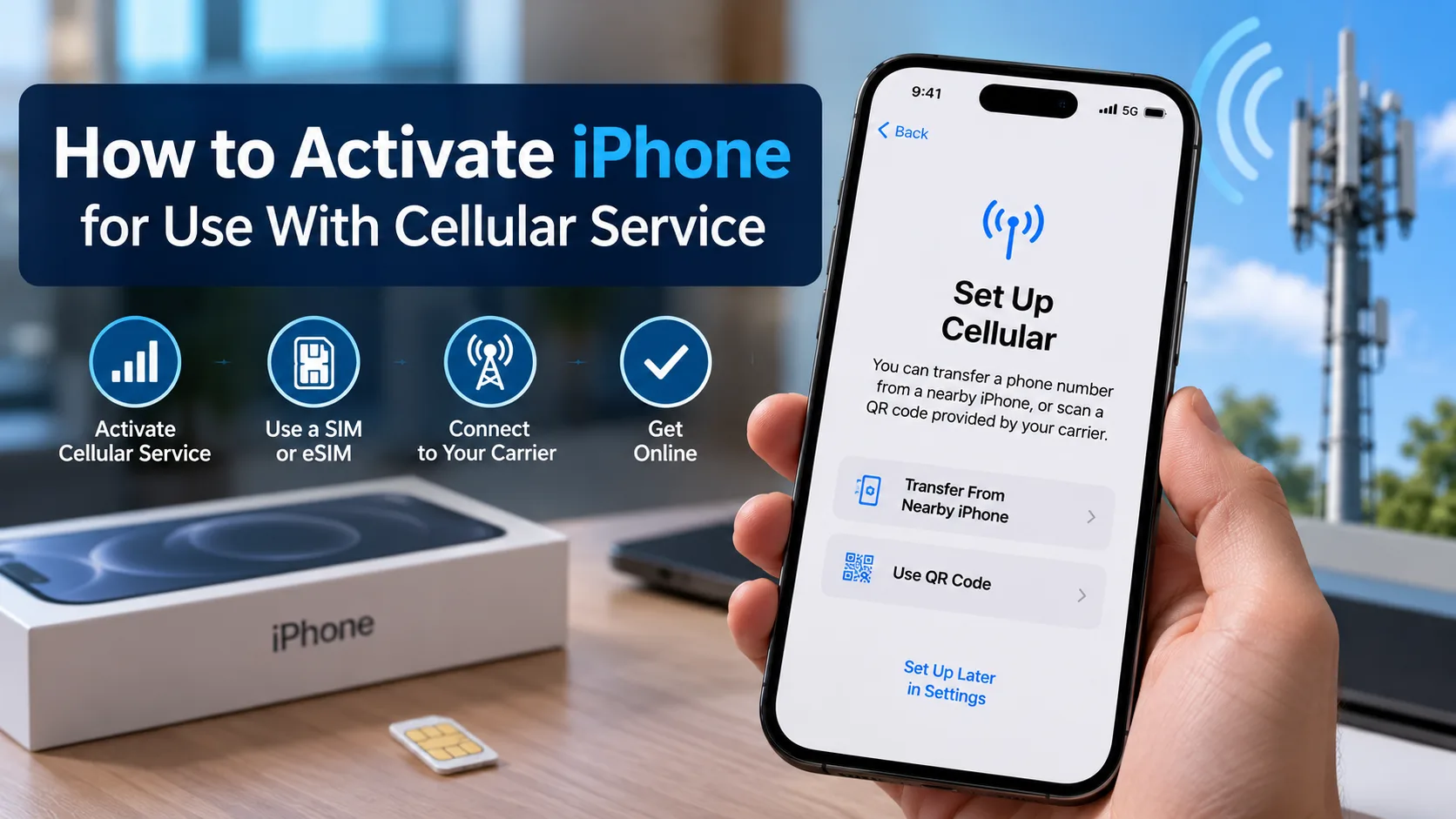

If you’ve ever wondered what happens after you unlock your phone, you’re not alone. Many phone users are curious about the process—what exactly it means, why people do it, and what comes next. In simple terms, unlocking your phone means removing the restrictions that tie it to a single carrier, giving you the freedom to use it with any compatible network.
But unlocking isn’t just about swapping SIM cards; it can open doors to better deals, international flexibility, and even boost the resale value of your device. In this comprehensive guide, we’ll break down everything you need to know about what happens after you unlock your phone—step by step, with real-world insights.
Quick Answer
Unlocking your phone removes the carrier lock, allowing you to use it with any compatible network. This opens up benefits like switching carriers, using local SIM cards abroad, and increasing resale value—just be sure to back up your data and use official unlocking methods for safety! 📱✨
What Does Unlocking Your Phone Actually Mean?
Let’s start with the basics: What is a locked phone? When you buy a phone from a carrier (like Verizon, AT&T, or T-Mobile), it’s often “locked” to that network. This means you can’t simply pop in a SIM card from another carrier and start using it. The lock is a software restriction that ties your phone to that carrier’s service.
An unlocked phone, on the other hand, is free from those restrictions. Once it’s unlocked, you can use SIM cards from different carriers worldwide—giving you greater flexibility and more choices.
Limitations of a locked phone:
- Tied to one carrier’s network
- Can’t easily use local SIM cards abroad
- Harder to switch to a better deal
Advantages of an unlocked phone:
- Switch carriers for better coverage or lower prices
- Use international SIM cards while traveling
- Sell or give away the phone more easily
Don’t Miss It: Can You Unlock a Blacklisted Phone? Truth vs. Myth
The Unlocking Process: How It Works
Unlocking a phone might sound complicated, but it usually involves a few straightforward steps. Let’s walk through it:
Step 1: Obtain Your IMEI Number
The IMEI (International Mobile Equipment Identity) is a unique identifier for your device. You’ll need it to request an unlock from your carrier.
- On iPhone: Go to Settings > General > About, then scroll down to find the IMEI.
- On Android: Dial *#06# or check Settings > About phone > Status.
Step 2: Contact Your Carrier
Reach out to your carrier’s customer service or use their online unlocking portal. Most major carriers (AT&T, T-Mobile, Verizon, etc.) have online forms that let you request an unlock.
Step 3: Wait for Approval
Carriers usually have eligibility requirements, such as:
- Your device is paid off in full.
- Your account is in good standing (no overdue payments).
- A minimum usage period has been met (typically 60-90 days).
Once approved, you’ll get an unlock code (for Android) or confirmation that your iPhone is unlocked.
Step 4: Alternative Methods
Some people use third-party unlocking services or codes purchased online. While sometimes faster, these carry risks (such as scams, voided warranties, or software issues).
What Happens Immediately After Unlocking?
So, you’ve received confirmation that your phone is unlocked—what next?
1. Confirmation
Your carrier or service provider should notify you that the unlock request is complete. On iPhone, unlocking is often automatic (confirmed through iTunes or Finder). On Android, you may receive an unlock code that you’ll need to enter after inserting a new SIM.
2. Inserting a New SIM Card
Now’s the moment of truth: remove your current SIM card and insert one from a different carrier. Your phone should recognize the new SIM and connect to the new network.
3. Entering an Unlock Code (Android)
If your Android device prompts you for an unlock code, enter the one provided by your carrier. This step finalizes the unlocking process.
4. Testing the Phone
Make a call, send a text, or try using mobile data to confirm that everything works. If you can connect and use services, congrats—your phone is officially unlocked!
Don’t Miss It: How to Unlock Your iPhone with Emergency Call Screen (2025 Methods)
The Benefits of an Unlocked Phone
Unlocking your phone opens up a world of possibilities. Here are some of the top benefits:
Switch Carriers Anytime
If another carrier offers better coverage or a more affordable plan, you can switch without buying a new device.
Use Local SIM Cards While Traveling
Save on roaming fees by using a local SIM card when traveling abroad—no more expensive international plans.
Increase Your Phone’s Resale Value
Unlocked phones are more attractive to buyers because they work with any carrier.
Access a Wider Range of Plans
Take advantage of promotions, discounts, and prepaid options from any carrier.
Share Your Device Easily
Pass the phone to a friend or family member using a different carrier without compatibility worries.
Potential Risks and Considerations
While unlocking offers freedom, there are some risks and important considerations:
Security and Privacy Risks
Using unofficial unlock services or shady websites can expose your data to hackers. Always use reputable services.
Warranty Concerns
Some carriers may void your warranty if you unlock your device unofficially. Check your carrier’s policy before proceeding.
Data Loss During Unlocking
Although unlocking itself doesn’t usually wipe your data, some methods (especially factory resets) can. Always back up your data first.
Compatibility Issues
Not all phones are fully compatible with every carrier’s network. For example:
- 5G and VoLTE may not work on certain carriers.
- Some carrier-specific features (like Wi-Fi calling or visual voicemail) may be unavailable.
Don’t Miss It: How to Bypass Any Android Lock Screen Using Emergency Call
6. How to Stay Safe When Unlocking
To avoid headaches, follow these best practices:
Use Official Carrier Channels
Start by contacting your carrier. They’re legally required to unlock your device in most countries.
Use Reputable Services
If you must use a third-party service, research it carefully. Look for reviews and choose a service with a proven track record.
Back Up Your Data
Before you begin, back up your photos, contacts, and other data—just in case.
Update Your Device’s Software
Install the latest updates before and after unlocking to patch any security vulnerabilities.
Avoid Public Wi-Fi
When entering personal info or unlock codes, use a secure, private connection.
What to Do If Something Goes Wrong
Unlocking usually goes smoothly, but sometimes things don’t work out as planned. Here’s what to do:
🔧 Troubleshooting
- SIM Not Recognized? Double-check that your new SIM is active and compatible with your device.
- Unlock Code Not Working? Ensure you entered it correctly. Some codes are case-sensitive.
📞 Contact Support
If you’re stuck, call your carrier’s support team. They can verify your unlock status and help troubleshoot.
🔄 Restore from Backup
If your phone experiences issues (like data loss or glitches), restore from your backup to get things back to normal.
Conclusion
Unlocking your phone is a smart way to get more value and flexibility from your device. From switching carriers to using local SIMs when traveling, the benefits are real. But it’s important to unlock responsibly: stick to official channels, back up your data, and stay vigilant about security.
With this guide, you now know exactly what happens after you unlock your phone—and how to make the most of it. So go ahead, unlock your phone’s potential, and enjoy the freedom it brings!
Common Questions About: What Happens After You Unlock Your Phone? The Full Breakdown
Does unlocking my phone erase my data?
No, unlocking your phone does not automatically erase your data. However, some unofficial unlocking methods (like factory resets) might wipe your data. It’s always a good idea to back up your phone before starting the unlocking process.
Will unlocking my phone void its warranty?
If you use official carrier channels, unlocking your phone generally won’t void the warranty. However, using unofficial methods or third-party services might affect your warranty. Always check with your carrier or manufacturer first.
Can I switch to any carrier after unlocking my phone?
In most cases, yes! An unlocked phone can be used with any carrier that supports the phone’s hardware (GSM or CDMA). However, some features like 5G or Wi-Fi calling may vary by carrier, so it’s best to check compatibility before switching.
How long does it take to unlock a phone through a carrier?
It varies by carrier. Some unlock requests are processed within a few hours, while others might take a few business days. Factors like account status and device eligibility can affect the timeline.
Can I unlock my phone for free?
Yes! Most major carriers offer free unlocking as long as you meet their requirements (such as device paid in full and account in good standing). You don’t necessarily need to pay a third party.
Is unlocking my phone legal?
Yes, unlocking your phone is legal in most countries (including the U.S.), provided it’s done through official channels or reputable services. Just make sure to avoid illegal or suspicious unlock methods to protect your device and data.