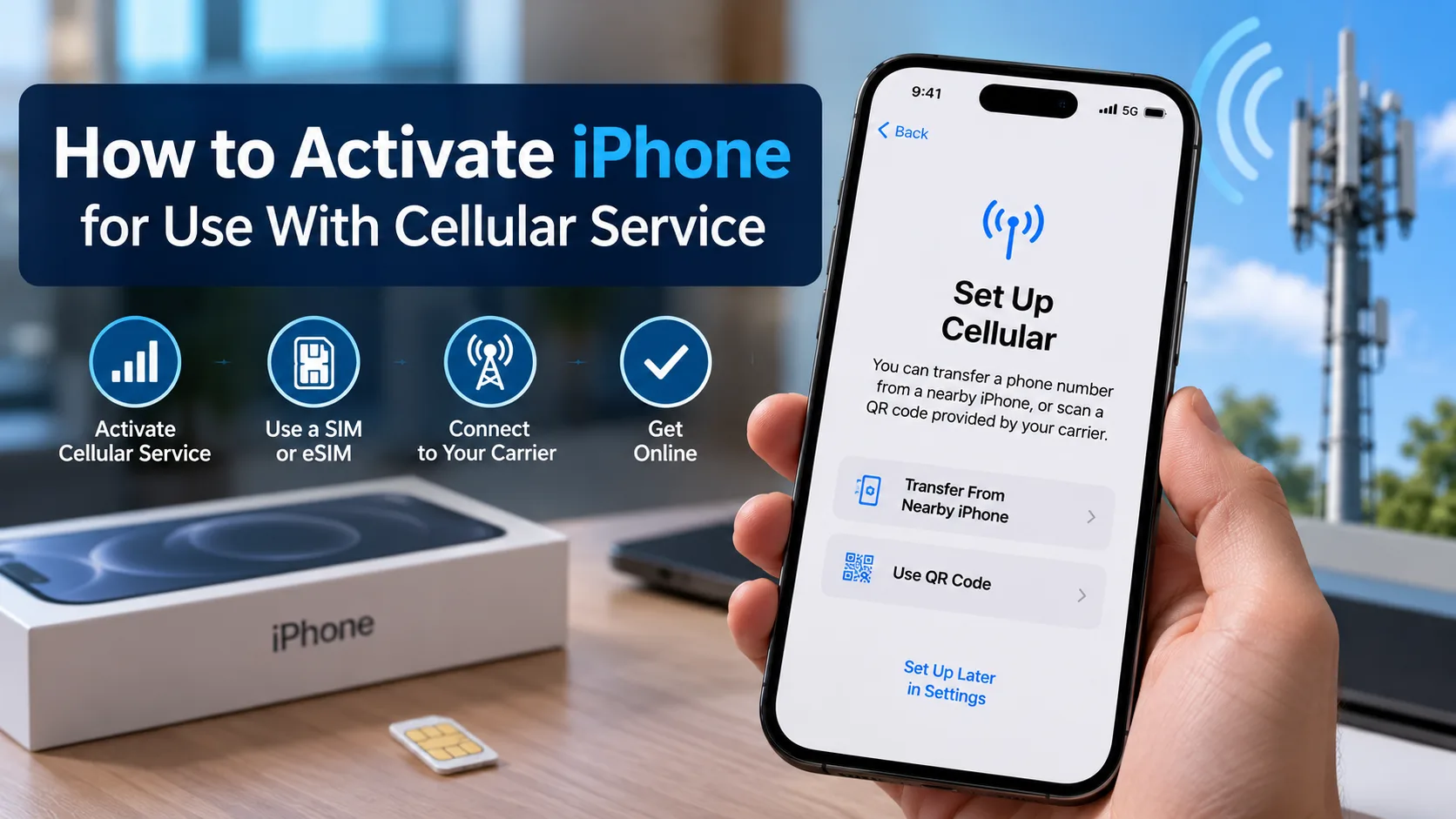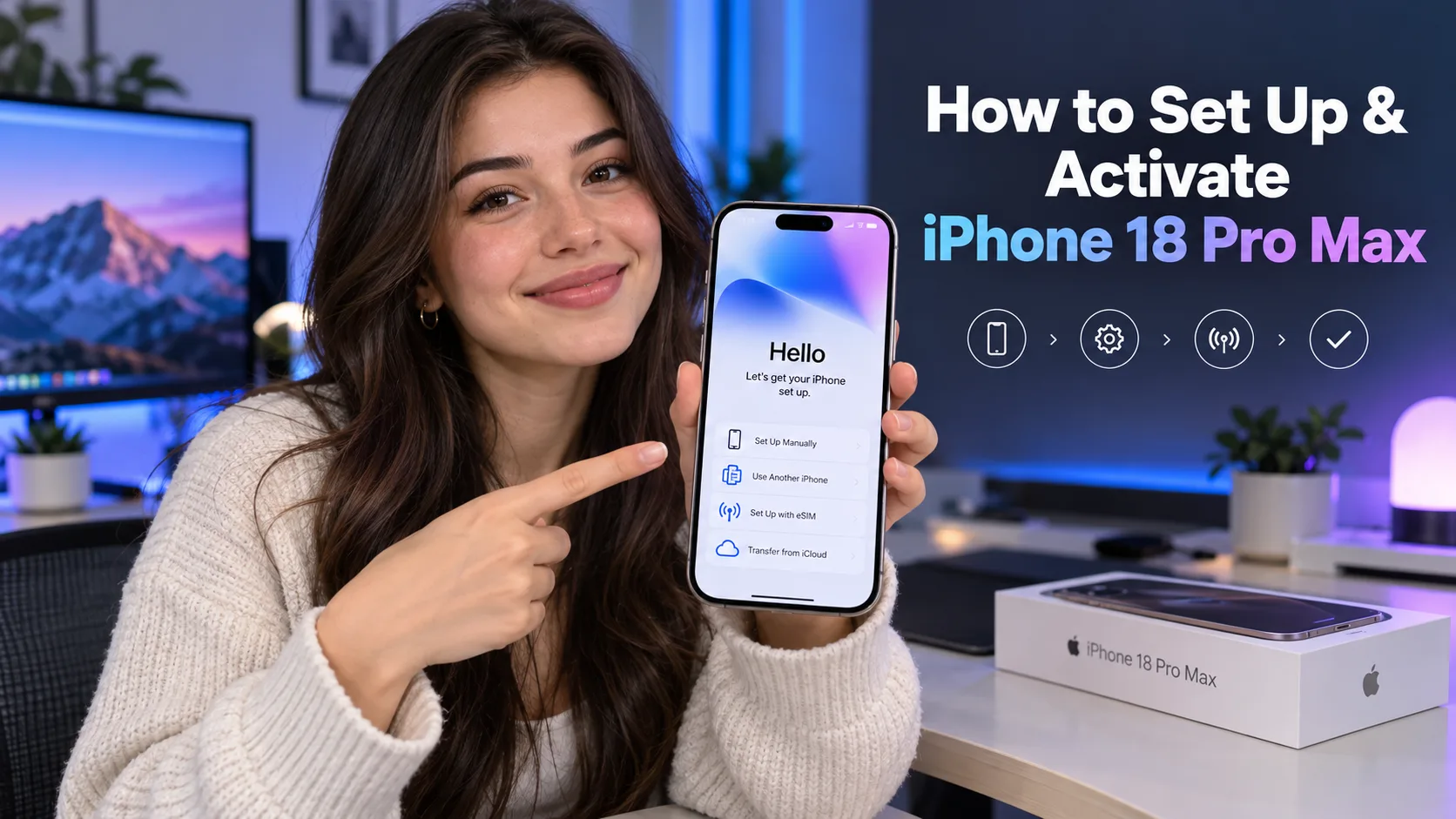

Carrier unlocking means removing the “network lock” on your iPhone so it can work with other carriers (like switching from AT&T to T-Mobile, or using a local carrier when traveling). The best part: if your iPhone is eligible, carrier unlocking is usually free—and you can start the process even if you don’t have a SIM card inserted.
A quick heads-up before we begin: there is no safe “secret hack” that reliably unlocks every iPhone for free. Real unlocking is done through the original carrier’s unlock system (and Apple’s activation policy updates). Anything claiming “instant unlock in 5 minutes” is often a scam.
Now let’s walk through the clean, legit, step-by-step way.
TL;DR Quick Answer:
You can unlock your iPhone carrier for free without a SIM card using three main methods: contacting your carrier directly (free but takes up to 7 days), using the IMEI unlock method through third-party services (faster, sometimes paid), or performing a backup-erase-restore process through iTunes. Most carriers like AT&T, T-Mobile, and Verizon offer free unlocking once your device is paid off and meets their requirements.
What Does “Unlock iPhone Without SIM Card” Really Mean?
When people say “without SIM card,” they usually mean one of these:
- No physical SIM in the phone (SIM tray is empty).
- They don’t have the original carrier SIM anymore.
- They want to unlock using Wi-Fi + IMEI (no SIM needed).
Good news: you can request and complete a carrier unlock using only Wi-Fi. The carrier can unlock your iPhone remotely, and your iPhone will update its status through Apple’s activation system.
Can you unlock an iPhone without a SIM card?
Yes—in most cases, you can request and complete a carrier unlock without a SIM card. The request is handled using your iPhone’s IMEI and the carrier account details, not the SIM itself.
What you might need is Wi-Fi so the iPhone can update its activation status after the carrier applies the unlock. Apple also explains that you can check your lock status right in Settings.
First, check if your iPhone is already unlocked
Start here so you don’t waste time. Many iPhones are already unlocked, and you can confirm it in seconds right inside Settings.
Step 1: Open Settings > General > About and scroll down to Carrier Lock. If it says No SIM restrictions, your iPhone is unlocked and you can stop.
Step 2: If it shows anything else, the iPhone is still carrier-locked (or the unlock hasn’t updated yet). Keep this spot in mind because you’ll return here to confirm the final result.
Step 3: If the phone isn’t fully set up yet, connect to Wi-Fi and finish the basic setup first. Carrier lock is different from Apple ID Activation Lock, so don’t mix them up.
The only “free” unlock that truly works long-term
Let’s be clear: the safe way is carrier unlock through the original carrier (or the company that sold the phone locked). This is the unlock that stays valid, works after updates, and doesn’t create activation problems.
Apple’s guidance is simple: your carrier must apply the unlock in their system, and if it doesn’t show up, you contact the carrier.
So your job is to (1) identify the original carrier, (2) meet the requirements, and (3) submit the unlock request.
Step-by-step: unlock iPhone carrier for free without a SIM card
Start with these steps in order. Most people finish the request in 10–20 minutes (the approval time depends on the carrier).
Step 1: Find the original carrier. If the iPhone boots to the Home Screen, check Settings > General > About > Carrier Lock and any carrier name shown in “Network.” If you can’t access the phone, check your purchase receipt, listing, or the seller’s details.
Step 2: Confirm the iPhone is eligible. Carriers won’t unlock phones that are unpaid, reported lost, or tied to fraud. For example, AT&T lists requirements like being paid off and not reported lost/stolen.
Step 3: Submit an unlock request to the carrier. Most carriers have an online unlock page where you enter your IMEI and account info (or confirm you’re not an active customer). This part does not require a SIM card.
Step 4: Wait for approval. Some carriers approve quickly; others take longer. Watch for an email or status page update from the carrier.
Step 5: Connect the iPhone to Wi-Fi and refresh activation. After approval, restart your iPhone and connect to Wi-Fi. The phone usually pulls the updated unlock status automatically.
Step 6: Re-check “No SIM restrictions.” Go back to Settings > General > About and confirm the carrier lock status. Apple says “No SIM restrictions” means you’re unlocked.
| Carrier | Unlock Requirements | Processing Time |
|---|---|---|
| AT&T | Device paid off, 60 days active | 1-5 business days |
| T-Mobile | Device paid off, 40 days active | 2-5 business days |
| Verizon | Auto-unlocks after 60 days | Automatic |
| US Cellular | Device paid off, account current | 1-3 business days |
Collect the Details You’ll Need
A carrier unlock is tied to the phone’s identity (IMEI), not the SIM card. Having the right details ready makes the request faster and avoids rejection.
Step 1: Find the IMEI in Settings > General > About if you can access the phone. If you can’t, check the SIM tray area or the original box label if you still have it.
Step 2: Save your purchase proof if possible (order page, receipt, or seller message). This can help if the carrier asks questions, or if the phone turns out to have an account issue.
Step 3: Figure out the original carrier that locked the iPhone. This is usually the company that sold it on a payment plan or as a carrier deal, and only that carrier can unlock it for free.
Make Sure You Meet the Basic Free Unlock Requirements
“Free unlock” does not mean “instant unlock.” Carriers unlock for free only when the phone meets their rules, and these rules are usually strict.
Step 1: Make sure the iPhone is paid off. If there’s still an unpaid device balance, most carriers will not unlock it until the balance is cleared.
Step 2: Confirm the iPhone is not reported lost or stolen and not flagged for fraud. A flagged device is often blocked from unlocking even if someone else bought it later.
Step 3: If it’s a prepaid phone, check the carrier’s time-on-service requirement. Some prepaid models unlock only after a certain number of days of active paid service.
Quick checklist (use once before you apply):
- Paid off and account in good standing
- Not lost/stolen and not flagged
- Any required active-service time completed
Request the Free Unlock From the Original Carrier (The Real Unlock)
This is the key step. Only the original carrier can submit the official unlock (even if you are using a different carrier now).
What to say (simple script)
When you contact support or use the carrier’s unlock page, say something like:
“Hi, I want to request a carrier unlock for my iPhone. I have the IMEI. I don’t currently have a SIM card inserted, but I can connect to Wi-Fi. Can you process the unlock and confirm when it’s completed?”
What you’ll provide
- IMEI
- Phone number (if you had one with them)
- Account holder name/email (if you were the customer)
- Sometimes proof of purchase (more common if you’re not the original owner)
Important tip
If the carrier approves it, they usually say something like:
- “Unlock request approved.”
- “It may take up to X hours/days to complete.”
That just means Apple’s activation policy needs time to update.
Complete the Unlock Without a SIM Card (Wi-Fi Method)
After approval, your iPhone still needs to refresh its status. You can do that without a SIM card by using Wi-Fi.
Step 1: Turn on the iPhone and connect to a strong Wi-Fi network. Wi-Fi helps the iPhone check Apple/carrier servers and pull the new unlock status.
Step 2: Restart the iPhone once after connecting to Wi-Fi. Many iPhones update the unlock state right after a reboot.
Step 3: Go back to Settings > General > About and check Carrier Lock again. If it now says No SIM restrictions, the unlock is complete.
If It Still Shows Locked, Force the “Unlock Refresh” (No SIM Needed)
If It Still Shows Locked, Force the “Unlock Refresh” (No SIM Needed)
Sometimes the carrier approves the unlock, but your iPhone hasn’t updated its activation status yet. This is normal, especially if the phone hasn’t been online in a while or you’re using an older setup.
Method A: Reset Network Settings
This method clears saved Wi-Fi and network settings, which can help the iPhone “re-check” carrier status. You’ll need to reconnect to Wi-Fi after the reset.
Step 1: Open Settings and tap General. Then tap Transfer or Reset iPhone to find the reset options.
Step 2: Tap Reset, then choose Reset Network Settings. Enter your passcode if asked, and let the iPhone restart or finish the reset.
Step 3: Reconnect to Wi-Fi, then restart the iPhone one more time. Go back to Settings > General > About and check the Carrier Lock line again.
Method B: Use a Computer to Trigger the Activation Update (Most Reliable)
This method is the best “push” when Settings doesn’t update by itself. It works even without a SIM card because the iPhone can refresh activation through the computer connection.
Step 1: Install or update the needed app on your computer: Finder (Mac) or Apple Devices / iTunes (Windows). Use the latest version so it can sync properly.
Step 2: Connect your iPhone to the computer using a cable. Open Finder/iTunes/Apple Devices and, if prompted, tap Trust This Computer on your iPhone.
Step 3: Click Back Up Now (recommended), then click Check for Update or simply Sync. This often forces the iPhone to pull the new unlock status.
Step 4: Watch for a message like “Congratulations, your iPhone has been unlocked.” If you see it, you’re done and the device is unlocked.
Tip (try once only): If you don’t see the message, restart the iPhone, unplug/replug the cable, and run Sync/Check for Update one more time. Then re-check Carrier Lock in Settings.
Confirm the Unlock Without a Physical SIM (Easy Ways)
You don’t need a physical SIM to confirm success. Your iPhone can tell you the truth right in Settings.
Step 1: Check Settings > General > About > Carrier Lock one more time. No SIM restrictions is the simplest confirmation that the carrier lock is gone.
Step 2: If your iPhone supports eSIM, you can also try adding an eSIM plan from another carrier. If the eSIM activates normally, that’s strong real-world proof it’s unlocked.
Step 3: If you still can’t confirm, contact the original carrier and share your unlock case number. Ask them to verify the unlock is completed and correctly applied to your IMEI.
Carrier policies that affect “free unlock” timing
This part matters because many people search “unlock for free” when the real issue is time. The phone may unlock automatically after a waiting period, or it may require a request after you meet the rules.
AT&T says devices generally must be paid off and meet other eligibility requirements, like not being reported lost or stolen.
T-Mobile explains that it unlocks devices for free when eligibility rules are met, including the phone not being reported lost/stolen and the account being in good standing.
Verizon’s unlocking rules have also been changing, especially for prepaid brands, and time requirements can be longer for some prepaid services.
Because these policies can change, always rely on the carrier’s current unlock page for the final rule set.
Is there a real way to unlock an iPhone without the carrier?
If someone promises a “free unlock code,” a “master unlock,” or a special app that unlocks any iPhone instantly, be careful. iPhone carrier unlocking is controlled by the carrier and Apple’s activation system, not by a secret code you type in.
The safest path is still: meet eligibility, request unlock, refresh activation on Wi-Fi, and confirm “No SIM restrictions.”
If your phone is tied to unpaid balances or flagged as lost/stolen, it may not be unlockable through official channels, and paying a random service is risky. In many cases, the best solution is returning the device to the seller.
Yes, you absolutely can! The most straightforward way is to contact your carrier and request an unlock if your device is paid off and your account is in good standing. They’re legally required to unlock eligible devices for free. Alternatively, you can use third-party unlocking tools like AnyUnlock or Dr.Fone if you need faster results or your carrier won’t cooperate.
Yes, you can unlock your iPhone without a SIM card. The carrier unlock process is done remotely through Apple’s activation servers, so you don’t need any SIM card inserted. Just contact your carrier with your IMEI number, and once they process the unlock, connect your iPhone to WiFi to activate it. Third-party tools also work without a SIM card.
Yes! Major carriers in the US (AT&T, Verizon, T-Mobile, Sprint) are required to unlock phones for free once you meet their eligibility requirements. These typically include: fully paying off the device, completing your contract term, having an account in good standing, and the device not being reported as stolen. Contact your carrier directly to initiate the free unlock process.
There are three main ways to remove a network provider lock: 1) Contact your carrier’s customer service with your IMEI number and request an unlock — this is free if you’re eligible. 2) Use third-party software like AnyUnlock or Dr.Fone to remove the SIM lock through your computer. 3) Use an online IMEI unlock service that will remotely unlock your device. The carrier method is recommended as it’s free and permanent.
The code *#33# is used to check call barring status on your iPhone. When dialed, it shows whether any outgoing call restrictions are enabled on your device (like international calls or premium numbers being blocked). This is different from carrier lock status. To check your IMEI number, dial *#06# instead. To check carrier lock status, go to Settings → General → About → Carrier Lock.
Yes, carrier locks can be permanently removed. Once your carrier processes an unlock request, or you use a legitimate unlocking tool, the lock is removed from Apple’s activation database permanently. This means even after factory resets or iOS updates, your iPhone will remain unlocked. Just make sure you use official channels (your carrier) or reputable third-party tools to avoid any issues.
Start with your carrier—it’s free and permanent. If that doesn’t work, you’ve got plenty of other options.
1-800-331-0500
1-800-922-0204
1-877-453-1304
1-888-211-4727