
TL;DR – Quick Answer
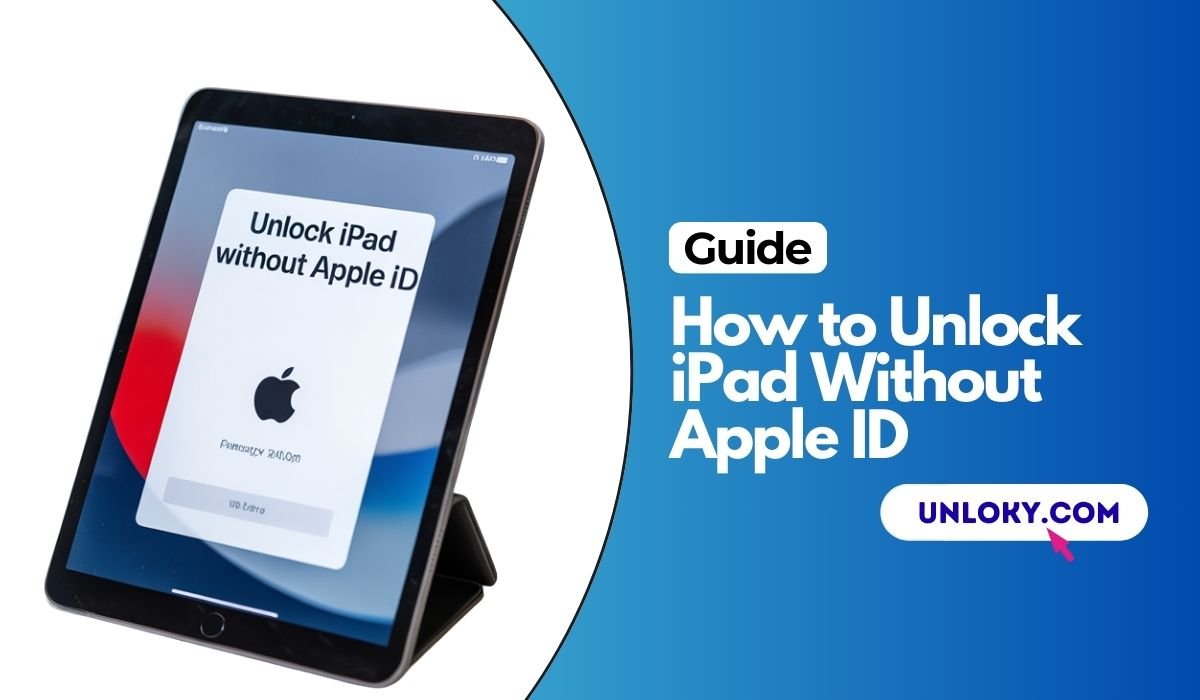
If you’re locked out of an iPad because you forgot the passcode and don’t have access to the Apple ID, the official solution is to erase the device. This can be done using Recovery Mode with a Mac or Windows PC, or remotely through Find My if the iPad is still connected to your Apple ID. Keep in mind that erasing the iPad removes all data, but it also clears the passcode so you can set it up again or restore from a backup.
For Recovery Mode, turn off the iPad and connect it to a computer while holding the correct buttons for your model until the recovery screen appears. On iPads without a Home button, press Volume Up, then Volume Down, then hold the Top button; on models with a Home button, hold the Home and Top/Side buttons together. Open Finder on a Mac or iTunes/Apple Devices on a PC, select the iPad, and choose “Restore” to erase it and install the latest iPadOS.
If the iPad shows an Activation Lock screen after being erased—often the case with used devices—you’ll need the original owner’s Apple ID to unlock it. The seller can remove the device from their iCloud account, or, if you’re the original owner, Apple Support may help if you provide proof of purchase. It’s best to avoid third-party tools that claim to bypass Apple ID locks, as they are risky, unreliable, and not recommended.
Understanding the Apple ID Lock Situation
Before we jump into solutions, it’s worth understanding what you’re dealing with. Apple ID locks exist for good reasons—mainly to prevent theft and protect your personal data. When someone steals an iPad, the lock makes it basically worthless to them, which is great for legitimate owners but can be frustrating if you’ve forgotten your password or bought a used device that’s still linked to the previous owner.
There are really two main scenarios where you might need to unlock an iPad without the Apple ID:
You bought a second-hand iPad: The device is still linked to the previous owner’s account, and they’re either unreachable or forgot to remove it.
You forgot your Apple ID password: This is the easier situation because you’re the legitimate owner and can prove it.
The difficulty of unlocking depends on whether Find My iPad was enabled when the device was last used. If it’s on, you’re dealing with Activation Lock—Apple’s security feature that’s specifically designed to be hard to bypass. If it’s off, things get significantly easier.
Method Comparison: What Works and What Doesn’t
| Method | Success Rate | Cost | Find My Required? | Data Loss? |
|---|---|---|---|---|
| Apple ID Recovery | ✓ 95% | Free | Either | No |
| Apple Support (with proof) | ✓ 90% | Free | Either | Yes |
| Recovery Mode | ✓ 100%* | Free | Only if OFF | Yes |
| Settings Reset | ✓ 100%* | Free | Only if OFF | Yes |
| Professional Software | ✓ 70-85% | $30-60 | Either | Yes |
| DNS Bypass | ✗ Limited | Free | Either | No |
| Free Online Tools | ✗ 5% (Scams) | “Free” | Either | Risk of malware |
*Works 100% to reset device, but Activation Lock will still appear if Find My was enabled
Method 1: Recover Your Apple ID Password (Easiest If You’re the Owner)
If you’re the actual owner but just can’t remember your Apple ID password, this should be your first stop. Apple makes this process pretty straightforward, and you won’t lose any data.
If You Have Access to the iPad:
- Open Settings and tap your name at the top
- Select “Password & Security”
- Tap “Change Password”
- Follow the prompts to create a new password
If You Don’t Have Access:
- Visit iforgot.apple.com on any device
- Enter your Apple ID email address
- Choose to reset via email, phone number, or security questions
- Follow the verification steps
- Create a new password
Method 2: Contact Apple Support with Proof of Purchase
This is your best bet if you legitimately own the iPad but can’t access the Apple ID. Apple takes this seriously—they won’t just unlock any device that comes through the door, but if you can prove ownership, they’re usually helpful.
What You’ll Need:
- 📄 Original purchase receipt showing your name and the iPad’s serial number
- 📱 Device serial number (found on the back of the iPad or original box)
- 📋 Any other proof like AppleCare agreements or warranty documents
How to Request Activation Lock Removal:
- Visit support.apple.com activation-lock
- Click “Request Activation Lock Support”
- Upload your proof of purchase documents
- Fill out the required information
- Submit and wait for Apple’s response (usually 3-10 days)
Alternatively, you can schedule an appointment at an Apple Store or contact Apple Support directly. Having your documents ready makes the process much smoother.
If you bought a used iPad without a receipt, Apple likely won’t help you. They can’t verify ownership without documentation, which is by design—otherwise, stolen iPads would be easy to unlock. This is exactly why you should always insist on proof of purchase when buying second-hand Apple devices.
Method 3: Reset Through Recovery Mode (Free but Erases Everything)
Recovery Mode is a legitimate Apple feature that lets you restore an iPad to factory settings. It’s useful when the device is frozen or you’ve forgotten the screen passcode. Here’s the catch: if Find My iPad was enabled, you’ll still hit the Activation Lock screen after the reset.
Steps for Recovery Mode Reset:
- Turn off your iPad completely
- Connect your iPad to a computer with iTunes (Windows/older Mac) or Finder (Mac with macOS Catalina or later)
- Put iPad in Recovery Mode:
- iPad with Face ID: Press and release volume up, press and release volume down, then press and hold the top button
- iPad with Home button: Press and hold both the Home and top (or side) button together
- Keep holding until you see the recovery mode screen (cable pointing to a computer)
- On your computer, click “Restore” when prompted
- Wait for the process to complete (15-30 minutes typically)
After the restore completes, your iPad will be wiped clean. If Find My was disabled, you’re good to go—just set it up as a new device. If Find My was enabled, you’ll need the original Apple ID to get past the Activation Lock screen.
Perfect for forgotten screen passcodes on iPads where Find My iPad is turned off. Also useful if you’re the owner and just need to start fresh.
Won’t bypass Activation Lock if Find My was enabled. You’ll get through the restore but hit a wall during setup asking for the original Apple ID.
Method 4: Reset From Settings (If You Have Passcode Access)
This is the simplest method if you can unlock the iPad with the screen passcode but don’t know the Apple ID password, and Find My iPad is turned off.
Steps for Recovery Mode Reset:
- Unlock your iPad using the screen passcode
- Go to Settings → General
- Scroll down and tap “Transfer or Reset iPad”
- Select “Erase All Content and Settings”
- Enter your screen passcode to confirm
- Wait for the iPad to erase and restart
The iPad won’t ask for the Apple ID password during this process if Find My is disabled. Once it restarts, you can set it up as a new device without any Apple ID requirements.
Method 5: Professional Unlocking Software (Paid Option)
There are legitimate software tools that can help bypass Apple ID locks, though they come with some important caveats. These aren’t magic solutions, and they don’t work in every situation, but they’re better than sketchy online “free” services.
Popular Options Include:
One of the more reliable tools with regular updates for latest iOS versions. Costs around $40-60. Works best when Find My is disabled but has options for enabled devices too.
Another established option that can remove Apple ID from devices. Requires jailbreaking for some scenarios. Success rate varies by device model and iOS version.
User-friendly interface with step-by-step guidance. Supports multiple iPad models but effectiveness depends on your specific situation. Usually requires full device reset.
What to Look For in Legitimate Software:
- Clear refund policy (30-day money-back guarantee)
- Regular updates for new iOS versions
- Positive reviews on independent sites (not just their own website)
- Transparent about limitations and success rates
- Secure payment options (credit card, PayPal)
- Customer support that actually responds
The DNS Bypass Method (Limited and Temporary)
You might see this method floating around the internet. Here’s the truth: DNS bypass doesn’t actually remove Activation Lock. What it does is trick your iPad into connecting to a custom server that provides very limited functionality.
How It Works (Sort Of):
- During iPad setup, select your WiFi network
- Tap the “i” icon next to the network name
- Scroll to DNS and tap “Configure DNS”
- Select “Manual” and add one of these DNS addresses:
- USA: 104.154.51.7
- Europe: 104.155.28.90
- Asia: 104.155.220.58
- Tap “Save” and continue setup
With DNS bypass, you might be able to use basic features like the camera, web browser (through a proxy), and calculator. That’s it. No App Store, no phone calls, no Messages, no iCloud, no software updates. It’s basically a very expensive paperweight with a camera.
This method only works reliably on older iOS versions (iOS 7-8) anyway. Modern iPads have much better security that prevents DNS tricks from working.
What Absolutely Doesn’t Work (Save Your Time and Money)
Let’s talk about the scams and dead-ends you should avoid:
Avoid These At All Costs
What Happens After You Bypass the Lock?
Even if you successfully use software to bypass Activation Lock, your iPad won’t be quite the same as before. Here’s what to expect:
Most bypass methods disable cellular connectivity. Your iPad essentially becomes WiFi-only, even if it originally had cellular capabilities.
You can’t sign in with your own Apple ID, which means no iCloud backup, Find My, or cloud syncing. You’re limited to local storage only.
Software updates might reactivate the lock, forcing you to bypass it again. Many users stay on outdated iOS versions to avoid this.
The Smart Way to Buy Used iPads (Prevention)
If you’re buying a second-hand iPad, you can avoid this entire headache by being smart about it. Here’s what you should always do:
Before You Hand Over Cash:
If the seller is dodgy about removing their Apple ID, or they “don’t remember the password,” walk away. It’s not worth the hassle.
Final Thoughts: What’s Your Best Move?
The reality is that Apple designed Activation Lock to be hard to bypass—and that’s actually a good thing for device security. If you’re dealing with a locked iPad, here’s your action plan based on your situation:
Your Best Path Forward
Whatever you do, avoid “too good to be true” free services and random people on social media claiming they can unlock your iPad for cheap. Those almost always end in disappointment or worse—stolen money and personal information.
The best advice? When buying used Apple devices, always insist on seeing the seller remove their Apple ID before you pay. That five minutes of caution can save you hours of frustration later. And if you’re selling your own iPad, do future owners a favor and properly sign out before handing it over.
It’s very difficult but not impossible. Your best legitimate option is contacting Apple Support with proof of purchase (original receipt showing the serial number). Without documentation proving you own the device, Apple won’t help. Third-party software tools exist but come with significant limitations and don’t fully restore device functionality. If you can’t contact the previous owner and don’t have proof of purchase, you’re essentially stuck with a locked device.
Not if Find My iPad was enabled. A factory reset (via Recovery Mode or Settings) will erase all data, but if Activation Lock was active, you’ll be asked for the original Apple ID and password when you try to set up the iPad again. The only time a factory reset completely bypasses Apple ID is when Find My iPad was turned off before the reset.
No. The overwhelming majority of “free” unlocking services advertised online are scams. They either won’t work at all, will demand payment after initially claiming to be free, or worse—steal your personal information or install malware. The only truly free methods are official Apple channels: recovering your own Apple ID password, contacting Apple Support with proof of purchase, or using Recovery Mode (which only works if Find My was disabled).
If you submit an Activation Lock support request with valid proof of purchase, Apple typically responds within 3-10 business days. The process can be faster if you visit an Apple Store in person with all your documentation ready. However, if your proof of ownership doesn’t meet Apple’s requirements, they may deny the request, which could add time if you need to gather additional documentation.
Not directly. Jailbreaking alone doesn’t remove Activation Lock—it’s just a prerequisite that some bypass tools require to function. Even with a jailbroken iPad, you’ll still need specialized software to attempt bypassing the lock, and success isn’t guaranteed. Additionally, jailbreaking voids your warranty, makes your device less secure, and prevents official iOS updates. The lock is hardware-level, not just software, which is why it’s so difficult to bypass.
Apple has a process for this. Family members or executors can request access to a deceased person’s Apple account with supporting legal documentation (death certificate, will, executor papers, etc.). Visit Apple’s support page for “How to request access to a deceased family member’s Apple accounts.” This process can take several weeks but is the legitimate way to handle this situation. You’ll need official documentation proving your relationship and authority to access the account.
Yes, once Activation Lock is enabled, it remains active even without internet connectivity. The lock is stored directly on the device’s hardware. When you try to activate or restore the iPad, it will check with Apple’s servers when it connects to the internet. You can’t bypass this by keeping the device offline—it simply won’t finish setup until it verifies the Apple ID with Apple’s servers.
This depends on whether the iPad was managed through a Mobile Device Management (MDM) system. If it was, the company’s IT administrator can remotely remove the Activation Lock using an MDM bypass code. You’ll need to contact your former employer’s IT department. If they won’t help or the company no longer exists, your options become limited. Generally, company-owned devices should be returned to the employer, as they legally own the hardware.
One More Thing
Some methods discussed here (particularly third-party software tools) exist in a gray area legally. Using them on a device you legitimately own is generally acceptable, but using them on stolen devices is illegal. Always make sure you have the legal right to access the iPad you’re trying to unlock. When in doubt, work through official Apple channels—they exist for good reasons.