

Thinking about dropping EE for a sharper deal with O2 or Vodafone? Or moving your number to Three and keeping the same phone? Good news: in the UK, making a device SIM-free is easier than it used to be—and in many cases, your phone already is. Honestly, the rules changed and most networks followed through.
Let me explain how things work now, what each big network expects, and the tiny “gotchas” that still trip people up.
Key Takeaways
- Most UK phones are already unlocked. Since Ofcom’s 2021 ban on selling locked handsets, new devices from EE, O2, Three, and Vodafone are typically unlocked; older models can be unlocked through your network, usually free.
- Switching and keeping your number is simple. Text PAC to 65075 to keep your number (or STAC to 75075 for a new one). Give the code to your new carrier within 30 days and the port typically completes in one working day.
- eSIM is widely supported across all major networks. Activate the new eSIM first, confirm service works, then submit your PAC to avoid downtime. You can also convert a physical SIM to eSIM through each carrier’s app or support flow.
- BYOD works—just mind compatibility and obligations. Bring any unlocked phone to a SIM-only plan, but check UK band support and VoLTE/VoWiFi. Unlocking doesn’t cancel contracts—settle any remaining device/plan balance—and don’t confuse a NUC (network unlock) with a PUK (SIM unlock).
The big rule since 2021: new phones shouldn’t be sold locked
Ofcom’s rules, active since 17 December 2021, ban UK mobile providers from selling locked handsets. That means any phone you’ve bought new from that point onward should already work with other UK SIMs once you pop them in. If you have an older device that was locked previously, your network should provide an official unlock path—normally for free.
📖 Also Read: Keep your number while switching to T-Mobile, Verizon, or AT&T
Switching networks is as easy as texting PAC to 65075
If you want to keep your number, text PAC to 65075. If you’d rather get a new number, text STAC to 75075. Your provider must reply quickly with your code and key account info like any early-termination charges. The code is valid for 30 days, and once you give it to your new network, your number should transfer within one working day.
eSIM is widely supported in the UK
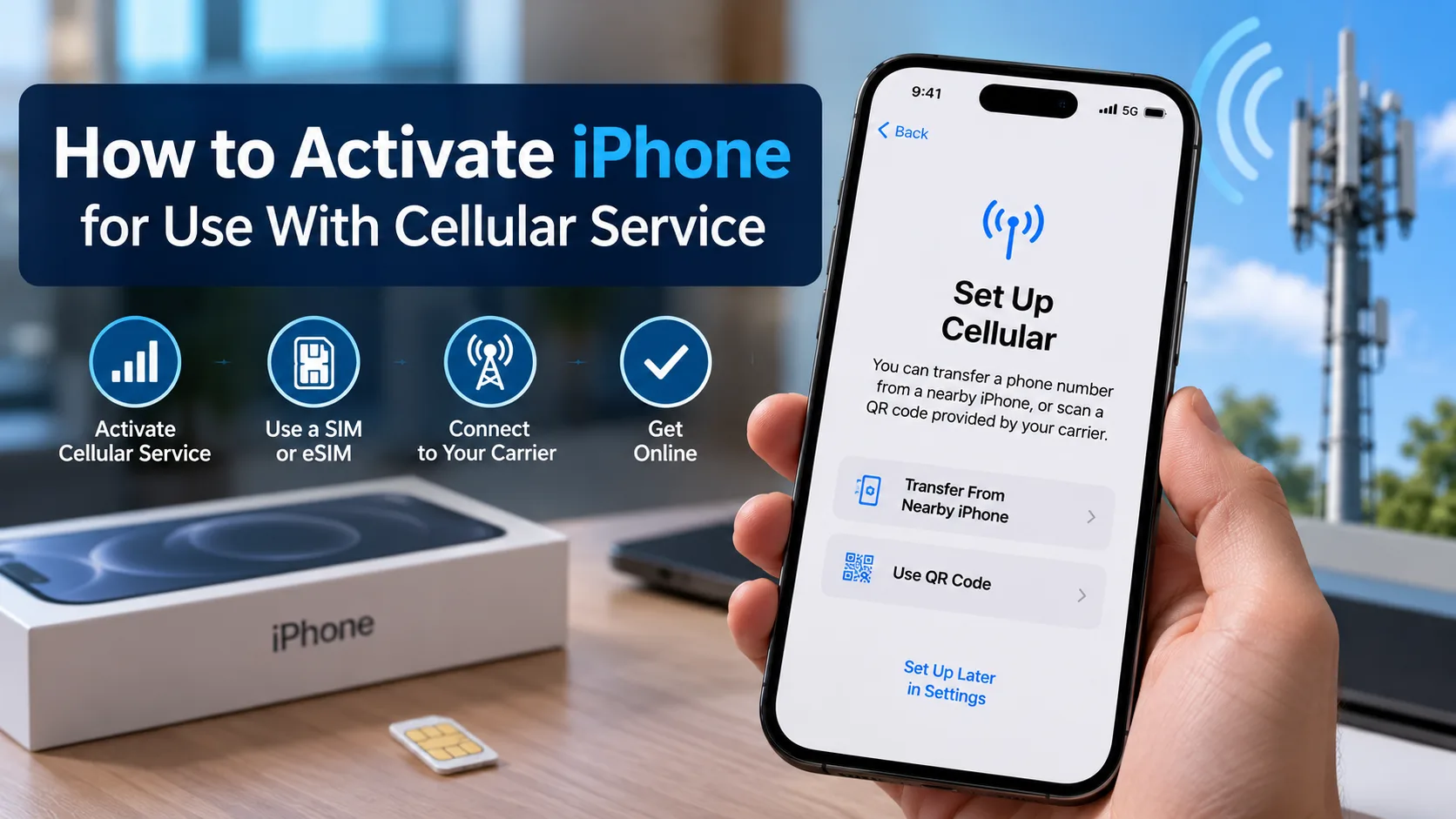
All four major networks now support eSIM on popular phones. If you’re joining or upgrading, you can usually choose eSIM during checkout or convert later in the app or by requesting a QR code.
- EE explains what eSIM is, how to install it, transfer it, or replace it.
- O2 provides step-by-step eSIM guidance and offers eSIM on many Pay Monthly devices.
- Vodafone supports eSIM and often routes setup through the My Vodafone app or device guides.
- Three offers eSIM on phones, tablets, smartwatches and SIM-only; their support and marketing pages outline how to get and activate it.
EE unlocking in 2025
The short version: Most recent EE phones are already unlocked due to Ofcom’s rules. For older devices still locked to EE, you can request an unlock directly with EE using their online tool.
How to unlock an older EE device
- Find your IMEI by dialing *#06#.
- Use EE’s Unlock your device tool, submit the IMEI, and follow the prompts.
- If a code is needed (mainly for older Android models), EE will send it and the steps to apply it.
Good to know: If you insert a non-EE SIM and it works, the phone is already unlocked—no further action needed. If the phone asks for a network unlock code, follow EE’s instructions from the help centre article.
EE + eSIM quick tip: If you’re switching from a physical SIM to eSIM on EE, you can typically do it in the EE app or request a replacement eSIM; guides and third-party explainers confirm the process.
📖 Also Read: Bought from Apple, Financed by a Carrier: Can You Still Unlock?
O2 unlocking in 2025
The short version: O2 lets Pay Monthly and Pay As You Go customers ask to unlock their device at any time if the phone was bought from O2. If your handset came from another retailer or network, you’ll need to request the unlock from that original seller or provider.
Steps to unlock on O2
- Confirm your device came from O2.
- Request the unlock (O2 advises calling is the easiest route); they’ll process and advise any next steps.
- If you’re still in a Pay Monthly minimum term, you can unlock, but you’re still on the hook for the remaining contract payments.
O2 + eSIM quick tip: O2 supports eSIM on many devices and explains that you can choose eSIM at order time or add it later if compatible.
Three unlocking in 2025
The short version: Three has sold phones unlocked for years. If you happen to own a much older Three-branded phone that is locked, Three will unlock it for free—you just contact them. Several UK guides confirm this approach and note that more recent Three phones won’t need unlocking at all.
What to do with older Three devices
- Pop in a non-Three SIM. If it works, you’re done.
- If it asks for a network unlock code, contact Three to process the unlock. Some third-party guides mention you may need an active Three account to request it, but many devices from the last decade are already unlocked.
Three + eSIM quick tip: Three offers eSIM on phones, tablets, watches and SIM-only plans; their support pages show how to obtain and activate it.
Vodafone unlocking in 2025
The short version: If your device is locked to Vodafone, you request a Network Unlock Code (NUC) via Vodafone’s online form. Vodafone’s help pages also explain what a PUK is for SIM PIN lockouts, which is different from network unlocking.
Steps to unlock on Vodafone
- Check whether the phone is actually locked by inserting another network’s SIM.
- If locked, submit the NUC request form; you’ll get instructions to complete the unlock once the code arrives.
- If the phone asks for a PUK, that’s to unblock a SIM after entering the wrong PIN too many times—use Vodafone’s PUK guidance instead of the NUC process.
Vodafone + eSIM quick tip: Vodafone supports eSIM on Pay Monthly plans; setup often runs through the My Vodafone app or specific device guides.
BYOD in the UK: bring an unlocked phone to any network
The UK is very BYOD-friendly. Because new phones must be sold unlocked, you can usually bring your existing handset to a SIM-only plan on EE, O2, Three or Vodafone. Just make sure your phone supports the right bands and VoLTE/VoWiFi features for your new provider. If your device still happens to be locked from years ago, your current network should unlock it for free in most cases—and consumer guides reiterate that contacting your network is the simplest route.
Smooth BYOD checklist
- Confirm the phone’s unlocked status by inserting another network’s SIM.
- Request an unlock from the original network only if a lock message appears.
- If you’re switching numbers, text PAC to 65075 and hand the code to your new provider within 30 days.
📖 Also Read: Military Phone Unlock: How to Use Deployment Unlock Policy & Carrier Exceptions (AT&T, Verizon, T-Mobile, UScellular)
eSIM tips that save time and trouble
Activate eSIM before you port your number. The cleanest path is to get service live on your new eSIM first, then submit your PAC and complete the number transfer. All four big networks offer official eSIM flows and support pages to help you install a QR or convert from a physical SIM.
Travel notes: If you rely on third-party travel eSIMs, install and activate them before you leave the UK whenever possible—some countries have recently limited access to certain eSIM provider apps and sites, which can complicate setup after you land.
Avoiding common unlocking mistakes
Don’t mix up NUC and PUK.
A Network Unlock Code (NUC) lifts the carrier lock so you can use other networks. A PUK is only for unblocking a SIM after too many wrong PIN attempts. Vodafone’s help pages underline the difference and how to get each code.
Check financing and early-termination charges.
Even if a phone is unlocked—in the UK it typically is—your contract obligations still apply. O2 explicitly notes you can unlock during a Pay Monthly term, but you still need to see out the minimum term or settle the balance. The PAC text reply also includes any early-termination info so you can decide whether to switch now or later.
Don’t pay third-party sites unless necessary.
There are many “unlock” websites. In 2025, most genuine unlocks happen directly through your network at no cost, especially for older UK devices. Stick with official routes first; only consider paid services if you’ve confirmed with your provider that they can’t unlock a specific imported model. Consumer guides consistently recommend contacting the network first.
Carrier-by-carrier quick answers
EE: Is my phone locked?
If you bought it new in the UK after December 2021, it should be unlocked. If an older EE phone asks for a code, use EE’s official unlock tool with your IMEI and follow the steps provided
O2: Can I unlock during my contract?
Yes, O2 says Pay Monthly and Pay As You Go customers can request an unlock at any time if the phone came from O2, but your contract term continues.
Three: Do Three phones still lock?
No—Three hasn’t locked phones for years. If you have a very old Three handset that is locked, they’ll unlock it for free—contact support.
Vodafone: Where do I get an unlock code?
Use Vodafone’s NUC request form. If you’re seeing “SIM PUK” or “PIN blocked,” that’s a SIM issue—use Vodafone’s PUK instructions instead.
Step-by-step: switch networks, keep your number, and move to eSIM
- Choose your new plan (SIM-only or device plan) with EE, O2, Three or Vodafone.
- Activate eSIM on the new network if you want a fully digital setup; follow the provider’s guide or app flow.
- Text PAC to 65075 from your current number. Save the code you receive; it’s valid for 30 days.
- Give the PAC to your new network via checkout, app, or chat. Your number should port in one working day.
- Test calls and data, then remove your old SIM/eSIM profile when you’re happy everything works.
FAQs
Are UK networks allowed to sell locked phones in 2025?
No. Since December 17, 2021, Ofcom has banned sales of locked handsets in the UK. New devices should be unlocked by default
How do I know if my phone is unlocked?
Insert another network’s SIM. If calls and data work, it’s unlocked. If the device asks for a network unlock code, follow your provider’s unlock process (EE’s tool, O2’s unlock request, Vodafone’s NUC).
Can I unlock while still in contract?
Usually yes in the UK, but your contract obligations remain. O2 spells this out clearly for Pay Monthly customers.
What’s the difference between PAC, STAC, NUC and PUK?
- PAC: lets you keep your number when switching; text PAC to 65075.
- STAC: switch and get a new number; text STAC to 75075.
- NUC: network unlock code to remove a carrier lock.
- PUK: code to unblock a SIM after too many wrong PIN attempts.
Do Three phones need unlocking?
Not in recent years. Three has sold phones unlocked for a long time; older models can be unlocked for free if needed.
Can I use eSIM on laptops or tablets?
Yes—networks support eSIM on compatible tablets and even laptops with cellular modules. Activation steps vary, but official eSIM pages and device guides walk you through it.
The Bottom line
In 2025, UK unlocking is refreshingly simple. New phones are unlocked by default, older phones can be unlocked through official channels, and you can move your number with a single text. eSIM means you can join, switch, and travel with fewer plastic cards and fewer queues. If you follow each network’s official pages for unlocking and eSIM—and use Ofcom’s Text-to-Switch—you’ll avoid almost all of the pain people used to face.