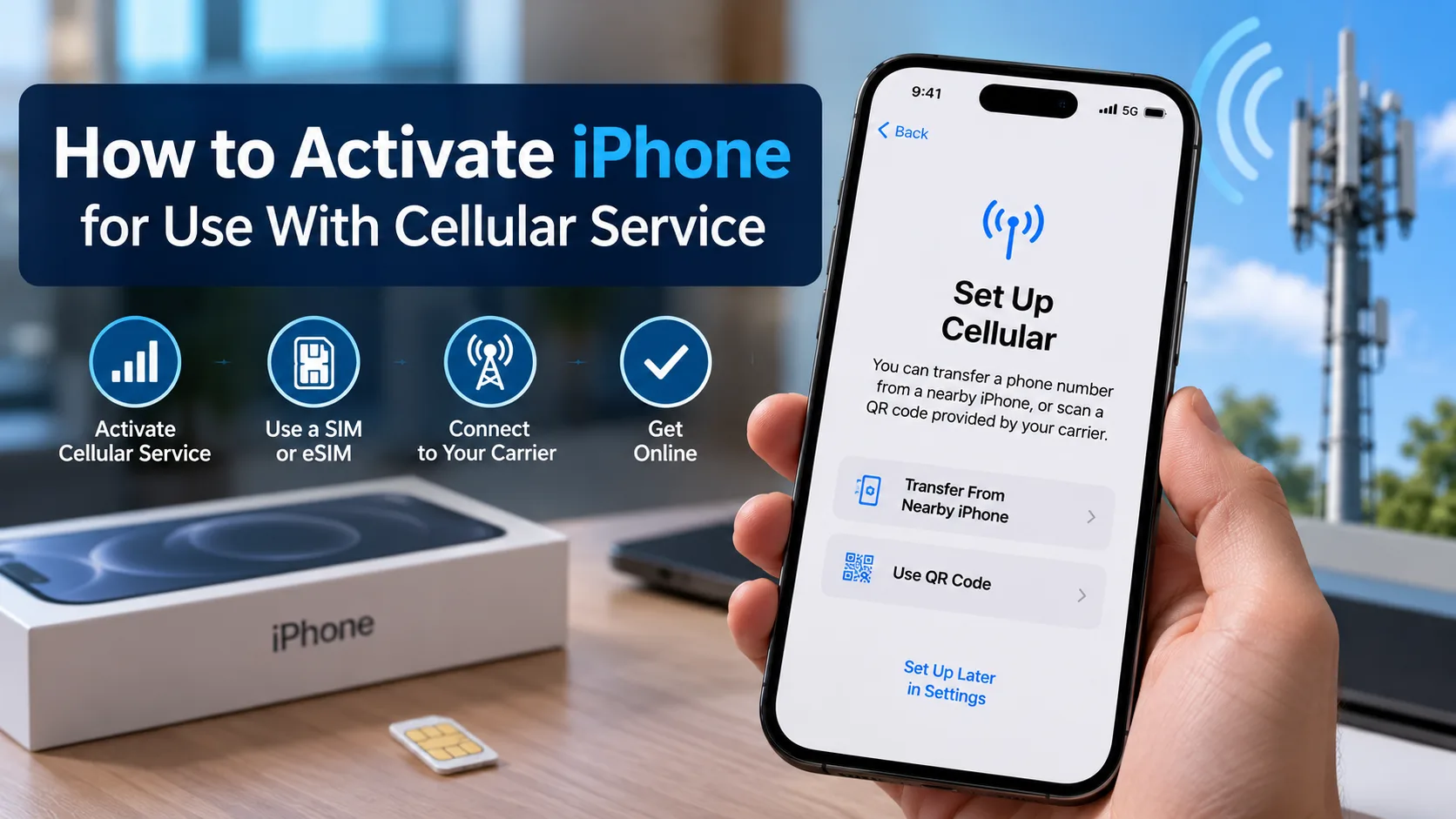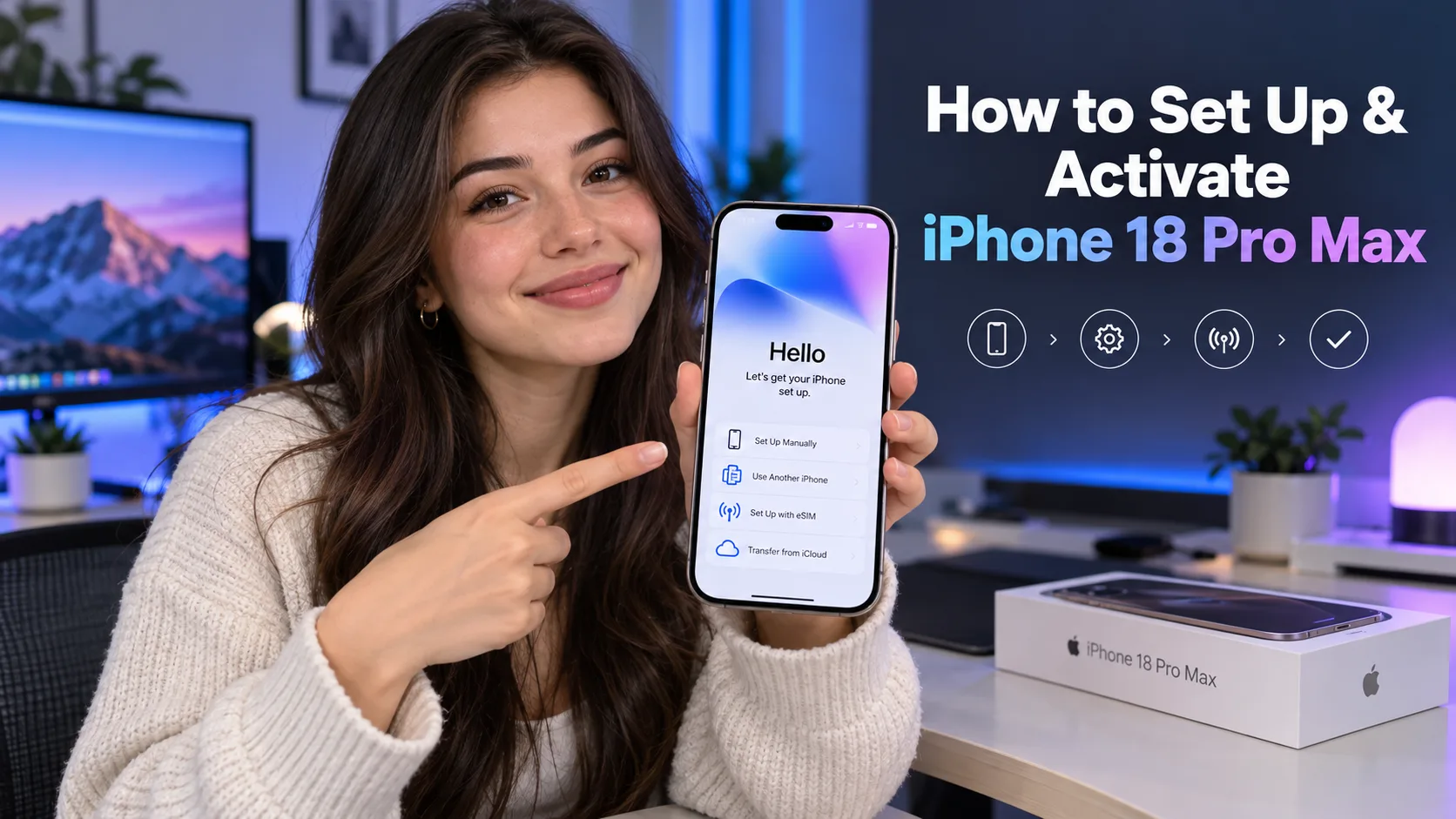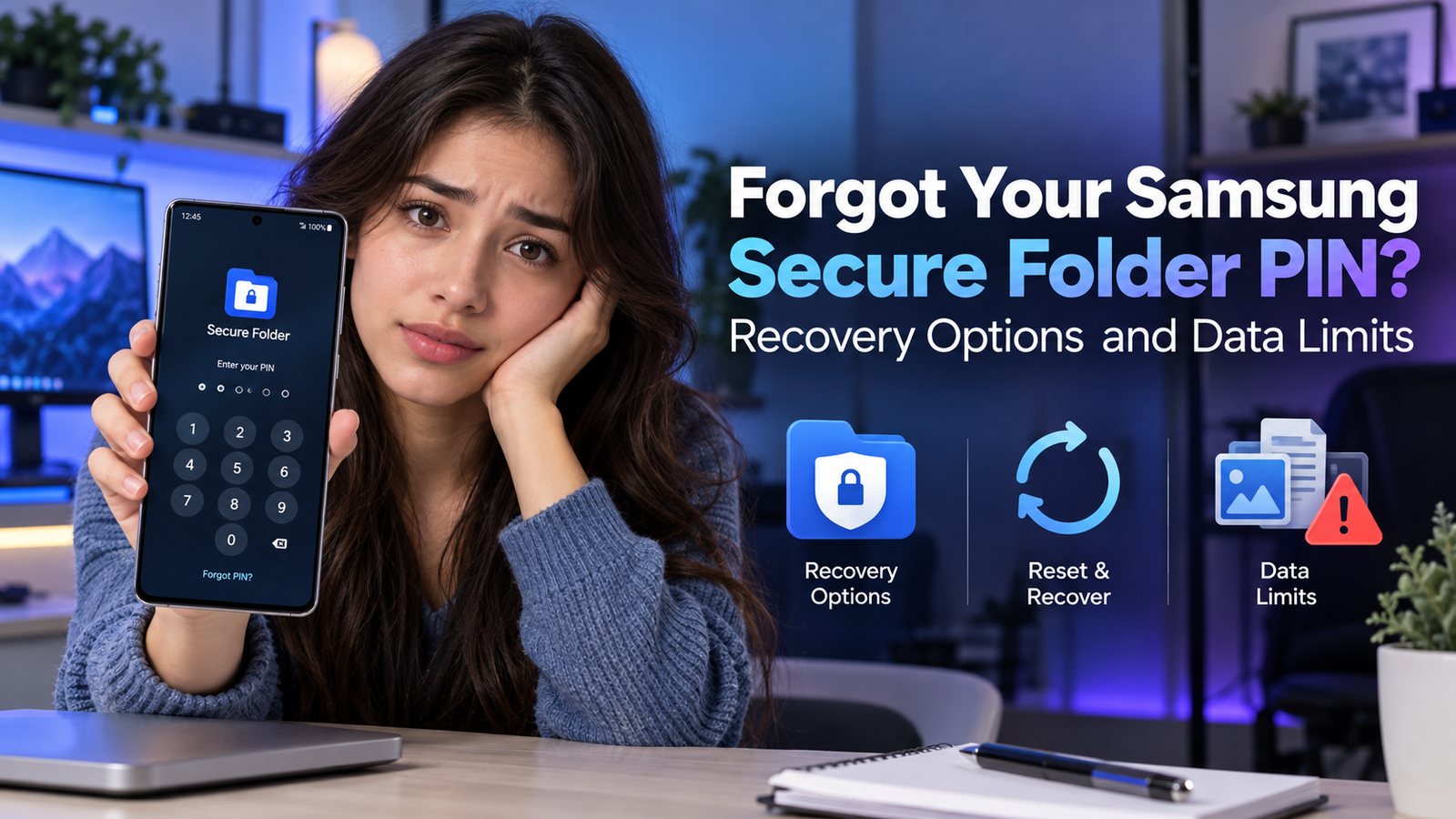


Unlocking a phone after a loved one passes can feel heavy, but it is possible. Phones hold photos, messages, and key documents, so getting access often matters for estate management and closure. Phone unlocking for a deceased user usually requires proof, the right forms, and patience. Big brands like Apple and Samsung follow strict privacy rules, so you will need to show who you are and why you have a right to access.
Policies vary. Apple often asks for a court order, and many carriers do as well. Some families know the account password, which speeds things up. Others need help from an estate lawyer. Having documents ready early can save weeks. Let’s walk through what works, what to expect, and how to keep things moving.
Key Takeaways
- You will need a death certificate, legal authority such as a court order, and proof of relationship to unlock a deceased person’s phone account.
- Apple usually requires a court order addressed to Apple for device or Apple ID access. Samsung may allow attempts through Find My Mobile or direct support.
- Most makers and carriers handle complete unlocking requests within 7 to 15 business days.
- If you face delays or a denial, an estate attorney can request orders, fix paperwork, and press providers for faster results.
- An SD card, if present, can be read on a computer with a card reader, no passwords needed.
What challenges arise when unlocking a deceased person’s phone?
Accessing a locked phone without a passcode is tough by design. Strong security keeps strangers out. It also slows families who need data for the inheritance process. Without the right paperwork, support teams cannot help, even if they want to.
Each company has its own rules. Apple often requires a judge’s order before any data access. Carriers route cases to special bereavement or security teams, which can add time. If you do not know the Google or Samsung password, you may face extra steps or roadblocks. Missing forms or mismatched names cause delays too.
*Trying to unlock a loved one’s phone without paperwork is like fishing without bait—you’ll end up empty-handed.*
📖 Also Read: Visible Wireless Unlock Requirements For ESIM: Don’t Miss Out!
What documents do I need to unlock a deceased person’s phone?
Companies need clear proof before they grant account recovery, even to family. Gather these items first. Having complete paperwork reduces back-and-forth and avoids long holds.
What is a death certificate and why is it required?
A death certificate is an official government record that confirms the person has died. Phone makers and carriers use it to verify the situation. Without it, teams usually will not discuss the account or device.
This document also helps confirm your role, such as executor or next of kin. It protects the person’s privacy and prevents fraud. If you are handling the estate, the death certificate is the first item most offices ask to see.
How do I obtain legal authority to access the phone?
After the death certificate, you need proof you can act for the estate. Legal authority may include letters of administration, letters testamentary, or a court order. These documents show a court has allowed you to manage the deceased person’s affairs.
For Apple devices, expect to need a court order directed to Apple. Getting these papers can take days or several weeks, depending on your state. Many people work with an estate attorney to request the right order and avoid mistakes.
Legal authority often takes paperwork and patience; courts don’t rush for even the fastest phone requests.
📖 Also Read: Tracfone Unlock Request Denied? 7 Reasons And How To Fix Each One
What proof of relationship is acceptable?
Companies often ask for documents that show your connection to the deceased. Common examples include a marriage certificate, birth certificate, adoption record, or guardianship papers. If you are the executor, court documents that name you also work as proof.
You may also need a photo ID. All names on your papers should match the records on the account. For example, a son may show his ID and a birth certificate listing the parent’s name. Clean, legible copies prevent extra delays.
How do I contact the phone manufacturer for access?
Start with the maker of the device. Each brand has its own path. Have your documents ready before you call or submit a form. That preparation shortens the back-and-forth and keeps your case moving.
How can I request access to an Apple device with a court order?
Apple follows strict privacy standards. If you need access to an iPhone or Apple ID, plan on a formal request and a court order that names Apple.
- Get certified copies of the death certificate.
- Obtain legal authority, for example, letters of administration or a court order instructing Apple to provide access.
- Collect proof of relationship, such as a birth certificate, marriage license, or executor papers.
- Start a Digital Legacy request or contact Apple Support and ask for the right submission process.
- Submit the request and your documents through Apple’s portal or by following support instructions.
- Wait for review. Complex cases can take weeks, sometimes longer if documents are unclear.
- Reply fast if Apple requests more information, and supply clean, readable copies.
Once your Apple request is in, track your case often. Quick responses shorten the timeline.
📖 Also Read: IMEI Blacklist Clean Vs. Carrier Unlock: The Legal Differences Explained
What are the steps to use Samsung’s Find My service or contact support?
Samsung offers remote tools that may unlock a phone if the account is active. If you have the Samsung account details, try the online route first. If that does not work, escalate to support with your documents.
- Go to the Samsung Find My Mobile site on another device and sign in with the deceased person’s Samsung account.
- Use the Unlock option if it appears. If you do not have the password or two-step code, you may need recovery help.
- If you cannot sign in, call Samsung Support at 1-800-SAMSUNG. Be ready to share a death certificate and proof of relationship.
- Have legal authority papers and your photo ID ready before you call or chat.
- If remote tools fail, ask support to escalate your case under their privacy and security rules.
- For tough cases, visit an authorized service center with all documents and ask about any in-person options.
- Log each contact, including dates, names, and case numbers, so your request does not stall.
What are the manufacturer-specific procedures to follow?
Each brand uses different verification steps to protect user data. Apple tends to require a court order that lists Apple by name. Samsung often asks you to try Find My Mobile first. If that fails, they move to manual review with proof and legal authority.
In all cases, submit clean copies of the death certificate, proof of relationship, and your legal authority. Small errors, like a name mismatch or a blurry scan, can pause your case for days.
How do I contact the deceased’s mobile service provider?
Carriers control the phone number and the SIM card. Many have a bereavement or specialized support team for deceased accounts. Call with documents ready and ask for that department.
Which details do I need to provide to the mobile carrier?
Have the essentials on hand:
- Death certificate, legal authority papers, and proof of relationship
- Account holder’s full name, phone number, and carrier, plus the account PIN if known
- Your photo ID and contact information
Ask for their exact process for a deceased user. Send clear copies, not photos with glare. If a document is missing or outdated, the carrier may pause the request until you fix it.
What alternative solutions exist for accessing the phone?
There are a few paths that may help without court orders. They work only if you have known credentials or removable storage. These options can save time and may provide the memories you need.
How can Google or Samsung account credentials help with Android devices?
Knowing the Google or Samsung password can unlock many Android devices. You can often reset the phone’s lock screen through the account. Google’s security tools include password recovery and device controls. Samsung’s Find My Mobile can locate and unlock a registered device.
Families sometimes gain access this way without legal filings. Success improves if you act soon and the account is still active on the phone. These options support account recovery, data backup, and closing digital accounts.
How do I access data from an SD card?
If the phone has a microSD card, you can likely read it without any passcodes. Remove the card from the phone, then insert it into a card reader connected to a computer.
The computer should show the card as a drive. Open the folders and copy photos, videos, and files to a safe location. This is often the fastest route to recover memories while other requests are still pending.
When should I seek legal assistance to unlock a deceased phone?
If requests stall, or if a company refuses access, a probate or estate attorney can step in. Lawyers know the forms each company accepts and how to request the right court order. That can save weeks and reduce stress.
How can an estate attorney help with phone access?
An attorney gathers documents, prepares filings, and requests orders that satisfy privacy rules. Some manufacturers, like Apple, rarely move forward without a judge’s order. Attorneys also handle calls and letters to manufacturers and carriers, which keeps the process organized.
When mistakes or rejections happen, they fix them quickly and push cases forward. Their support is especially helpful during probate, where timelines and rules can be strict.
What legal options are available if access is denied?
If a company denies access, you can petition the probate court for a specific order. Judges sometimes authorize unlocking or data release for estate needs and to protect the person’s privacy. An attorney can explain what is realistic in your state.
State laws on digital assets and electronic privacy may also help executors or heirs. Legal representation raises your chance of a clear, enforceable order that companies will honor.
What are typical timelines and processing times for unlocking requests?
Timelines vary by company and by how complete your documents are. Think of it like waiting for a slow download, faster with a strong connection and complete files.
How long do manufacturers and carriers usually take?
Manufacturers often respond within 7 to 10 business days after receiving complete documents. Carriers may take 10 to 15 business days. If names do not match, or if copies are unclear, the clock stops until you fix the issue.
Some cases move faster, especially with well prepared paperwork. Urgent court orders may speed things up, but they are not guaranteed to jump the line. Most families receive a decision within two weeks once everything is in order.
How can I expedite the unlocking process?
Speed comes from clean documents and clear requests. Take these steps to keep your case at the front of the line.
- Collect all paperwork first, including the death certificate, legal authority, proof of relationship, and your ID.
- Contact both the manufacturer and the carrier on the same day to start parallel reviews.
- For iPhones, contact Apple Support or visit a store with your documents. Ask what exact order they require.
- For Samsung, try Find My Mobile if you have credentials, then call support with your documents.
- Ask the carrier for the bereavement or deceased account team and confirm their checklist.
- Request a timeline and a case number from each company, then follow up on schedule.
- State your role clearly, for example, executor with letters of administration.
- Check for a microSD card and copy files on a computer while other requests process.
- Hire an estate attorney if you hit a wall. They know the forms and the fastest way to get orders.
- Keep a log of calls and emails. Consistent, polite follow-ups prevent your case from getting lost.
Thorough prep and steady follow-up usually beat any shortcut. Stay organized, and you will save time.
Conclusion
Unlocking a phone from a deceased account takes proof, patience, and a clear plan. Start with the death certificate, your legal authority, and proof of relationship. Then contact the manufacturer and the mobile carrier, and keep copies ready for quick replies.
If the process stalls, an estate attorney can request the right orders and press for action. Try simple options too, like Google or Samsung account recovery or an SD card. With steady steps and good records, you can complete account recovery and protect your loved one’s digital life. That is the path to closure, and it helps estate management move forward.
FAQs
1. What proof do I need to unlock a phone from a deceased account?
You’ll usually need the death certificate, your photo ID, and sometimes legal papers showing you have authority. Think of it like needing keys to open a locked door; without them, no one’s getting in.
2. How long does it take to unlock a phone after someone passes away?
Timelines vary by carrier and brand. Some companies move fast—just days if all paperwork is ready. Others might drag their feet for weeks, especially if documents are missing or unclear.
3. What steps should I follow when unlocking a deceased person’s phone?
First, gather required documents: death certificate and proof of relationship or authority. Next, contact the service provider or manufacturer directly—they’ll guide you through forms and next moves. Sometimes they ask for extra info; don’t be surprised if they double-check everything twice.
4. Can I access data on the device once it’s unlocked?
If you get past security with proper approval, yes—you can often reach photos, messages, contacts and more stored on the device itself. But cloud accounts may still be off-limits unless you provide further evidence or court orders; each company has its own rules about what gets shared beyond that lock screen.