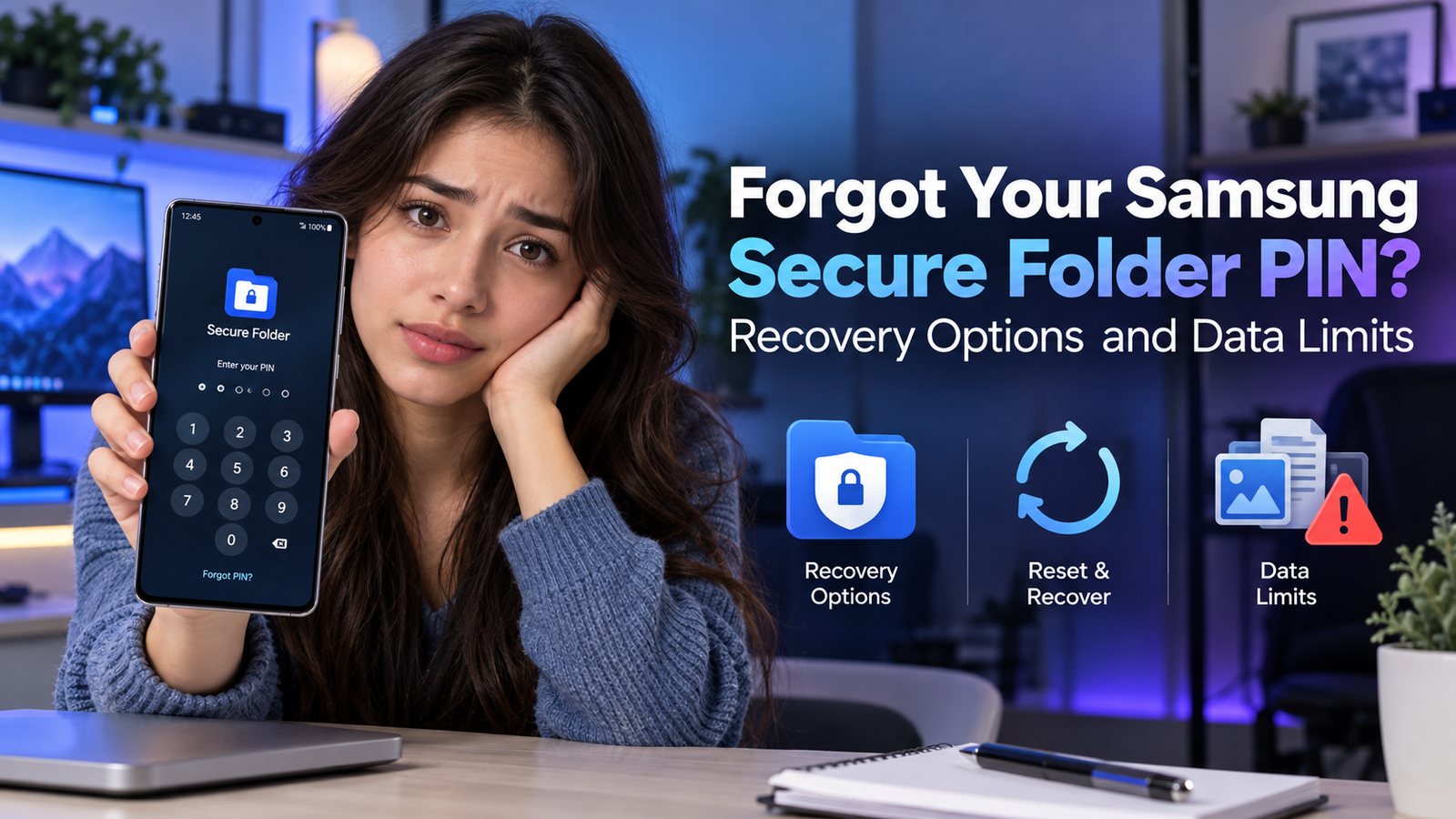


Factory Reset Protection (FRP) keeps your phone secure if it’s lost or stolen. Here’s how to enable or disable this important security feature on any Android device.
TL;DR – Quick Answer
Factory Reset Protection activates automatically when you add a Google account to your Android. There’s no manual switch to toggle it.
To Turn ON FRP: Add a Google account and set up a screen lock (PIN, pattern, or password)
To Turn OFF FRP: Remove all Google accounts from Settings > Accounts before factory resetting
Why It Matters: FRP blocks thieves from using your phone after a factory reset
Pro Tip: Always disable FRP before selling or trading in your phone
Understanding FRP
What is Factory Reset Protection?
Factory Reset Protection is a security feature Google introduced back in Android 5.1 Lollipop. Think of it as a digital lock that makes your phone useless to anyone who doesn’t know your Google password.
Here’s the deal: when someone tries to factory reset your phone without removing your Google account first, FRP kicks in. The phone will ask for the Google account credentials that were previously synced. No password? No access. Simple as that.
This feature runs quietly in the background on pretty much every modern Android phone — Samsung, Google Pixel, OnePlus, Xiaomi, Motorola, you name it. Once your Google account is linked and you’ve set up a screen lock, FRP is automatically active.
FRP turns on by itself once you add a Google account and set up a screen lock. No extra steps needed.
Stolen phones become essentially useless since thieves can’t bypass the Google verification screen.
Even if someone resets your phone through recovery mode, they’ll still need your credentials.
Turn off FRP properly before selling to avoid locking the next owner out of your old phone.
Enable Protection
How to Turn ON Factory Reset Protection
Good news — enabling FRP doesn’t require navigating through complicated menus. You just need two things: a Google account linked to your phone and an active screen lock. Here’s exactly what to do:
If you haven’t already, go to your phone’s Settings and find the Accounts section. Tap “Add account” and select Google. Sign in with your Gmail address and password.
Settings → Accounts → Add account → Google
Head to your Security settings and choose a screen lock type. You can pick a PIN, pattern, password, or biometric option like fingerprint. A swipe lock won’t activate FRP.
Settings → Security → Screen lock
For extra security, turn on Google’s Find My Device feature. This lets you remotely locate, lock, or erase your phone if it goes missing.
Settings → Security → Find My Device → Turn ON
That’s it — FRP is now active on your device. If anyone tries to factory reset your phone without your Google credentials, they’ll be locked out completely.
Unlike some features, FRP doesn’t have an on/off switch in your settings. It automatically activates when both conditions (Google account + screen lock) are met.
Disable Protection
How to Turn OFF Factory Reset Protection
Planning to sell your phone, trade it in, or give it to someone else? You’ll need to disable FRP first. Otherwise, the new owner will get stuck on the Google verification screen after they try to set up the phone.
Start by unlocking your phone and opening the Settings app. You can usually find it in your app drawer or by swiping down and tapping the gear icon.
Look for “Accounts,” “Accounts and backup,” or “Users & accounts” depending on your phone. Tap on it to see all linked accounts.
Settings → Accounts (or Accounts and backup)
Tap on the Google account that’s linked to your phone. If you have multiple accounts, you’ll need to remove all of them to fully disable FRP.
Tap “Remove account” and confirm when prompted. Your phone may ask for your PIN, pattern, or password for verification. Repeat for any other Google accounts.
Google Account → Remove account → Confirm
Now you can safely factory reset. Go to Settings → System → Reset options → Erase all data. Since no Google accounts remain, FRP won’t be triggered.
Settings → System → Reset → Erase all data
If you recently changed your Google password, wait at least 72 hours before factory resetting. Using a newly changed password too soon could lock your entire Google account.
Quick Reference
FRP Status: What Happens in Each Scenario
| Action | FRP Status | Result |
|---|---|---|
| Reset from Settings (account removed) | OFF | Phone resets normally, no verification needed |
| Reset from Settings (account present) | ON | Modern phones auto-remove accounts; FRP won’t trigger |
| Reset from Recovery Mode (account present) | ON | Google verification required after reset |
| Reset via bootloader (account present) | ON | Google verification required after reset |
| No Google account on device | OFF | FRP never activates regardless of reset method |
| Guest account only | OFF | Guest accounts don’t trigger FRP |
Brand Guides
Disable FRP on Your Phone Brand
While the general process is similar, menu names vary between manufacturers. Here are the exact steps for popular Android brands:
Samsung
Google Pixel
OnePlus
Xiaomi
Remote Method
Remove FRP Remotely (Without the Phone)
Already gave away or sold your phone but forgot to remove your Google account? You can still unlink your account remotely through your Google account settings. Here’s how:
On any computer or phone, go to myaccount.google.com and sign in with the same Google account that was on your old phone.
Click on Security in the left menu, then find Your devices or Manage all devices section.
Look through the list of devices and find the phone you want to remove. Click on it to see more options.
Click Sign out or Remove to unlink your account from that device. The new owner can now set up the phone without needing your credentials.
After removing your account remotely, the other person may need to factory reset the phone one more time for the changes to take effect.
Expert
💡Back up your photos, contacts, and files to Google Drive or your computer before removing accounts
💡Write down your Google account email and password somewhere safe — you’ll need them for your new phone
💡If you changed your Google password recently, wait 72 hours before factory resetting to avoid account lockout
💡Disable Find My Device before resetting to avoid any additional locks
💡For Samsung phones, also remove your Samsung account — it has its own reactivation lock
💡Check if your carrier has any additional locks that need removal (AT&T, Verizon, T-Mobile)
Know the Triggers
When Does FRP Actually Lock Your Phone?
FRP doesn’t kick in every time your phone resets. It only activates under specific conditions. Understanding these triggers helps you avoid accidentally locking yourself out.
Resetting through Android Recovery (power + volume buttons) with a Google account still linked will trigger FRP.
Using fastboot commands or ADB to erase data will activate FRP if accounts weren’t removed first.
Modern Android phones automatically handle accounts properly when resetting through Settings — FRP usually won’t trigger.
Remotely wiping through Google’s Find My Device will keep FRP active — you’ll still need the original account to set up.
🔐 Keep Your Phone Protected
Factory Reset Protection is one of the best security features on Android. Keep it enabled unless you’re selling or giving away your phone — it could save your data if your device ever gets stolen.
If you legitimately own the phone, you have a few options. Try Google’s account recovery at accounts.google.com to reset your password. Contact the manufacturer (Samsung, Google, etc.) with proof of purchase. As a last resort, some authorized repair shops can help. Be wary of “FRP bypass tools” online — many are scams or could harm your device.
Contact the previous owner and ask them to either give you the account credentials or remotely remove the device from their Google account. If you can’t reach them, contact the phone’s manufacturer with your receipt as proof of purchase. This is exactly why you should always verify FRP is disabled before buying a used phone.
The FRP lock screen will appear regardless of internet connection. However, you’ll need Wi-Fi or mobile data to actually verify your Google credentials and unlock the phone. Without internet, the phone remains locked at the verification screen indefinitely.
They’re different but related features. Find My Device lets you locate, ring, lock, or erase your phone remotely. FRP prevents anyone from using your phone after a factory reset without your Google credentials. Both work together — if you erase your phone via Find My Device, FRP will still require account verification during setup.
FRP was introduced in Android 5.1 Lollipop and is present in all newer versions including Android 6.0 Marshmallow, Android 7, 8, 9, 10, 11, 12, 13, 14, and Android 15. Each newer version has strengthened FRP security, making it harder to bypass. Android 15 introduced additional FRP hardening measures.
This is tricky. You’ll need your screen lock to access Settings and remove your Google account. If you’ve forgotten your PIN, try using your Google account to unlock (on some phones). You can also use Find My Device to remotely unlock or reset the screen lock on some devices. As a last resort, contact the manufacturer.
Yes, Samsung has its own Reactivation Lock tied to your Samsung account. If both a Google and Samsung account are linked, you’ll need to remove both before selling. Go to Settings → Accounts and backup → Manage accounts and remove both your Google account and Samsung account.
There’s no direct “FRP status” indicator. Simply check if you have a Google account linked (Settings → Accounts) and a screen lock enabled (Settings → Security → Screen lock). If both are present, FRP is active. If you want to test it, factory reset the phone through Settings — if it asks for a Google account during setup, FRP was enabled.