
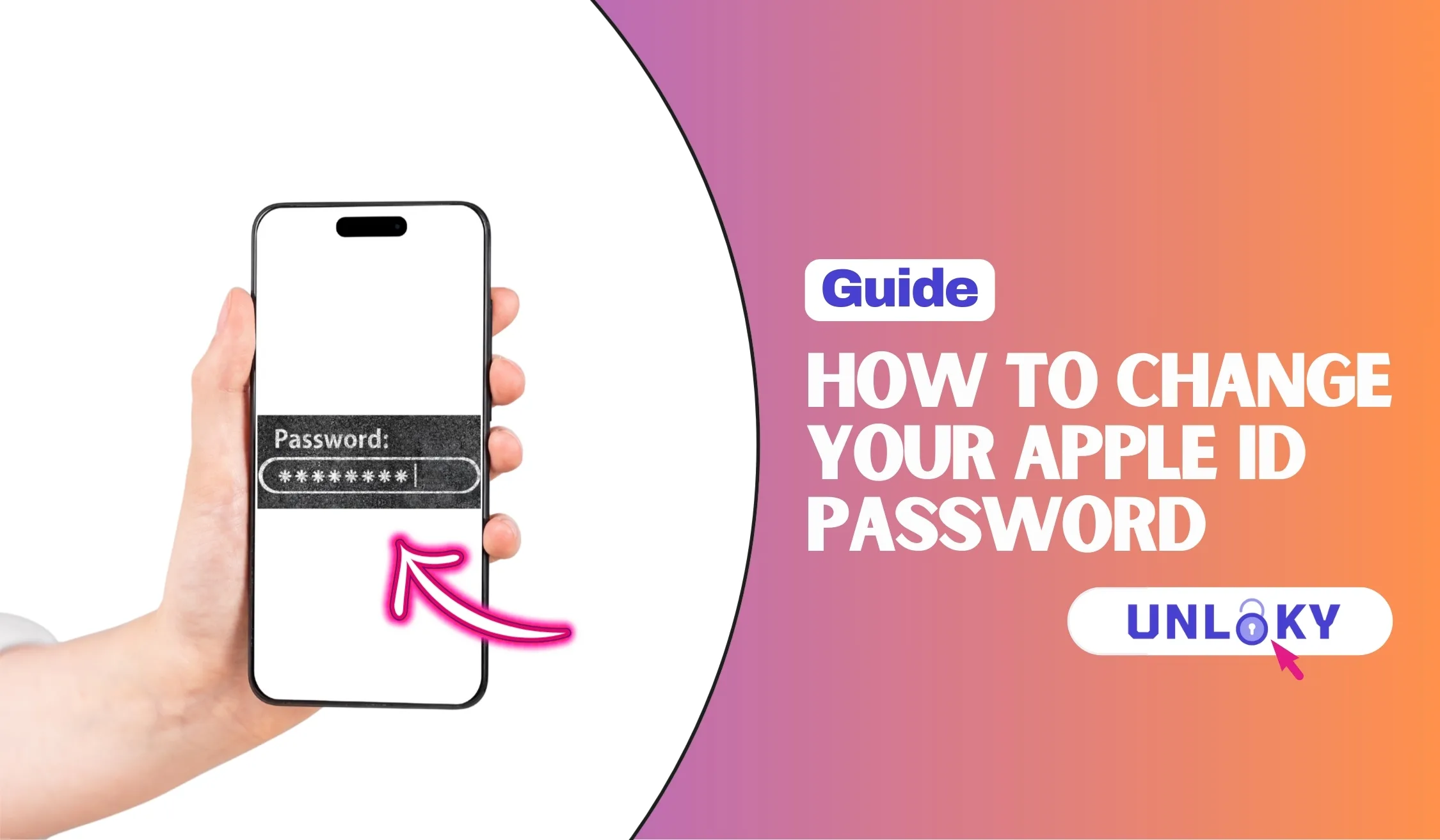
Complete guide to reset or change your Apple ID (now Apple Account) password using iPhone, Mac, iforgot.apple.com, email, phone number, or account recovery.
TL;DR — Reset Your Apple ID Password Fast
The quickest way to reset your Apple ID password is directly on your iPhone or iPad: Go to Settings → [Your Name] → Sign-In & Security → Change Password. Enter your device passcode, then create a new password. If you’re locked out, visit iforgot.apple.com to reset via email, phone number, or start account recovery. Apple ID is now called “Apple Account” but works the same way.
📱 iPhone Reset
🌐 iForgot Website
📞 Phone Number
✉️ Email Reset
Why You Might Need to Reset Your Apple ID Password
Your Apple ID — now officially called Apple Account — is the key to your entire Apple ecosystem. It connects your iCloud, App Store purchases, iMessages, FaceTime, Apple Music, and more. There are several reasons you might need to reset your password:
Forgot Password
The most common scenario — you simply can’t remember your Apple ID password after not using it for a while.
All Reset Methods at a Glance
Before diving into the details, here’s a quick comparison of all available methods to reset your Apple ID password:
| Method | Requirements | Time | Best For |
|---|---|---|---|
| iPhone/iPad Settings | Signed-in device + device passcode | ~2 mins | Quickest method if you have your device |
| Mac System Settings | Signed-in Mac + Mac password | ~2 mins | Mac users already signed in |
| iforgot.apple.com | Any web browser + verification method | ~5 mins | Locked out of all devices |
| Email Verification | Access to registered email | ~5 mins | No trusted device available |
| Phone Number (2FA) | Trusted phone number | ~3 mins | Two-factor authentication enabled |
| Apple Support App | Borrowed Apple device | ~10 mins | No device but can borrow one |
| Account Recovery | Identity verification | Days to weeks | Last resort — no other options |
Method 1: Reset Apple ID Password on iPhone or iPad
This is the fastest and most straightforward method if you’re already signed into your Apple ID on your iPhone or iPad. Apple verifies your identity through your device passcode.
Reset on iPhone/iPad (Signed In)
Your new password will automatically sync across all your Apple devices signed into the same Apple Account.
What If You Forgot Your Password on iPhone? (Not Signed In)
If you’re setting up a new iPhone or need to sign in but forgot your password:
Method 2: Reset Apple ID Password on Mac
If you’re signed into your Apple Account on a Mac, you can reset your password through System Settings.
Reset on Mac (Signed In)
Method 3: Reset via iForgot.apple.com
Apple’s dedicated password recovery website works on any device — even a Windows PC or Android phone. This is your go-to option when you’re locked out of all Apple devices.
Reset via iForgot Website
- Trusted device notification — approve on your iPhone, iPad, or Mac
- Phone number verification — receive SMS or call
- Email verification — get a reset link in your inbox
- Security questions — for older accounts without 2FA
When possible, Apple will try to redirect you to a trusted device for the fastest reset experience. The web process takes longer but works without any Apple device.
Method 4: Reset Apple ID Password by Email
If you have access to the email address linked to your Apple ID, you can receive a password reset link directly in your inbox.
Reset via Email Verification
If you don’t see Apple’s email within a few minutes, check your Spam or Junk folder. The link expires after a certain time, so act quickly once you receive it.
Method 5: Reset Using Your Mobile Phone Number
With Two-Factor Authentication (2FA) enabled — which is the default for all modern Apple IDs — you can reset your password using your trusted phone number. This is one of the fastest verification methods.
Reset via Phone Number (2FA)
If you no longer have access to your trusted phone number, you’ll need to use Account Recovery (Method 7) or contact Apple Support. Always keep your trusted phone number updated!
Method 6: Forgot Both Your Password AND Email
This is tricky but not impossible. If you’ve forgotten which email address is linked to your Apple ID, here’s how to find it:
Find Your Apple ID Email
Option A: Check Your Devices
Option B: Check Apple Apps
Look for your Apple ID in these locations:
Option C: Try Different Email Addresses
Go to iforgot.apple.com and try entering different email addresses you’ve used in the past. Apple will tell you if the email is associated with an Apple Account.
Option D: Check Past Apple Emails
Search your email inboxes (all of them) for messages from @apple.com or @id.apple.com. Look for receipts, password reset emails, or account notifications — these reveal which email is your Apple ID.
Method 7: Account Recovery (When Nothing Else Works)
Account Recovery is Apple’s last-resort process for regaining access when you can’t use any other verification method. It takes longer — often several days to weeks — but it ensures that only the rightful owner regains access.
Start Account Recovery
If you sign in to any device with your Apple ID during the recovery period, the process will be cancelled automatically. Keep all devices turned off or signed out until recovery is complete.
Reset Using a Borrowed Apple Device
Don’t have any Apple device? You can borrow an iPhone, iPad, or visit an Apple Store to reset your password using the Apple Support app.
Reset on a Borrowed Device
Pro Tips for Apple Account Security
Once you’ve reset your password, take these steps to protect your account going forward:
Enable Two-Factor Authentication
This is enabled by default on new accounts. If you have an older account, turn it on in Settings → [Your Name] → Sign-In & Security.
Set Up Recovery Contacts
Add trusted friends or family members who can help you reset your password if you get locked out. Available on iOS 15 and later.
Generate a Recovery Key
Create a 28-character recovery key and store it somewhere safe. This gives you an extra way to reset your password if needed.
Keep Information Updated
Make sure your trusted phone number and email addresses are current. Update them immediately if you change phone numbers.
Use a Password Manager
Store your Apple ID password in iCloud Keychain, 1Password, LastPass, or another secure password manager so you never forget it again.
Yes! Your Apple ID password and iCloud password are the same thing. Your Apple ID (now called Apple Account) is the single account that gives you access to iCloud, App Store, iMessage, FaceTime, Apple Music, and all other Apple services. When you reset your Apple ID password, your iCloud password changes too.
Account Recovery can take anywhere from a few hours to several days — sometimes even weeks. The exact time depends on what account information you can provide to verify your identity. Apple designed this delay intentionally to prevent unauthorized access. You’ll receive an email within 72 hours telling you when you can expect to regain access. Unfortunately, Apple Support cannot speed up this process.
This is one of the trickiest situations. Your options are: (1) Try signing in on a device where you’re still logged into iCloud. (2) Use a Recovery Contact if you set one up previously. (3) Use your Recovery Key if you created one. (4) Start Account Recovery at iforgot.apple.com — this will take time but is your best option. In the future, always update your trusted phone number in Settings immediately when you get a new number.
Yes, but your options are limited. You can try: (1) Reset via email verification. (2) Use a trusted device that’s still signed in. (3) Answer security questions (if your account was set up before 2FA became standard). (4) Use Account Recovery. If you don’t have access to any verification method, Account Recovery is your only option, and it may take several days.
Apple locks or disables accounts for security reasons, usually due to: (1) Too many incorrect password attempts. (2) Incorrect answers to security questions multiple times. (3) Suspicious activity detected on your account. (4) Payment issues with App Store or iTunes. To unlock, visit iforgot.apple.com and follow the steps to reset your password. If your account was disabled due to security concerns, you may need to wait 24 hours before trying again.
No, resetting your Apple ID password does not delete your data. All your iCloud photos, contacts, notes, and other data remain safe. However, you’ll need to sign back in with your new password on all your devices, and you’ll need to update your password in any apps or services where you’ve saved your old Apple ID password.
Change Password is what you do when you know your current password but want to create a new one (for security or preference). Reset Password is what you do when you’ve forgotten your password and need to recover access to your account. Both result in a new password, but reset requires additional verification since you can’t prove you know the old one.
iforgot.apple.com is Apple’s official password recovery website. It’s the central hub for resetting forgotten Apple ID passwords, unlocking disabled accounts, and starting the Account Recovery process. You can access it from any device with a web browser — even a Windows PC or Android phone. It’s completely safe and legitimate, just make sure you’re on the real site (check the URL carefully for phishing attempts).
Need More Help With Your Apple Account?
If you’re still having trouble resetting your password, Apple Support can guide you through the process (though they can’t speed up Account Recovery).
Disclaimer:
The information provided in this article is for educational purposes only and is accurate as of December 2026. We are an independent publication and not affiliated with, endorsed by, or sponsored by Apple Inc. Apple, Apple ID, Apple Account, iCloud, iPhone, iPad, Mac, and other Apple product names are registered trademarks of Apple Inc. For official support, please visit support.apple.com.