
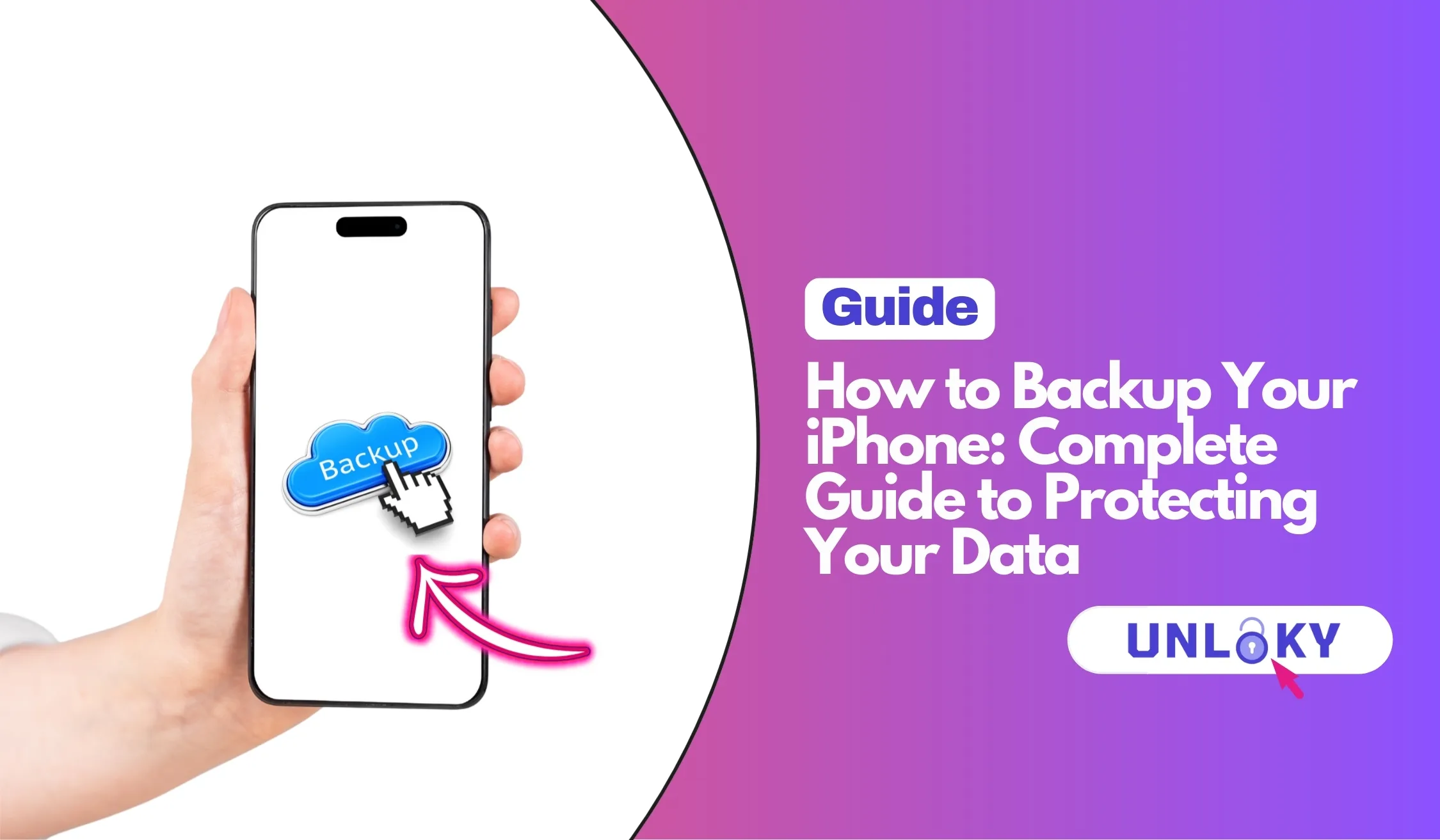
Lost photos. Vanished contacts. Erased memories. Don’t let a broken screen or stolen phone wipe away years of your digital life. Here’s everything you need to know about backing up your iPhone the right way.
TL;DR – Quick Answer
You’ve got three main options for backing up your iPhone: iCloud (automatic, wireless, works while you sleep), Mac Finder (fast local backup on macOS Catalina or later), or iTunes on Windows (free local backup for PC users). iCloud is the most convenient but costs money beyond 5GB. Computer backups are faster and don’t require internet. For best protection, use both.
iCloud: Settings → Your Name → iCloud → Backup
Mac: Connect via cable → Open Finder → Back Up Now
PC: Connect via cable → Open iTunes → Back Up Now
Why Backing Up Actually Matters
Let’s be honest—most of us don’t think about backups until something goes wrong. Your iPhone holds years of photos, important messages, health data, app settings, and countless other things you’d hate to lose. Studies suggest roughly 30% of iPhones will be lost, stolen, or damaged during their lifetime.
A good backup strategy means you can restore everything to a new phone in minutes instead of starting from scratch. Whether you upgrade to a new iPhone, drop yours in a lake, or face a weird software glitch after an update, your data stays safe.
iCloud and computer backups save your photos, messages, app data, device settings, home screen layout, Health data, and more. Things already synced to iCloud (like iCloud Photos) or content you can re-download (apps, music) aren’t duplicated in backups.
📊iPhone Backup Methods Compared
See which backup option fits your needs at a glance
| Feature | iCloud Backup | Mac (Finder) | Windows (iTunes) |
|---|---|---|---|
| Automatic Backups | ✓ Yes (daily) | ⚠ Wi-Fi sync option | ⚠ Wi-Fi sync option |
| Wireless Backup | ✓ Yes | ✓ Yes (after setup) | ✓ Yes (after setup) |
| Free Storage | ⚠ 5GB only | ✓ Unlimited (your drive) | ✓ Unlimited (your drive) |
| Backup Speed | ⚠ Depends on internet | ✓ Fast (USB) | ✓ Fast (USB) |
| Encryption | ✓ Automatic | ✓ Optional | ✓ Optional |
| Health & Keychain Data | ✓ Yes | ⚠ Encrypted only | ⚠ Encrypted only |
| Restore Without Computer | ✓ Yes | ✗ No | ✗ No |
| Best For | Convenience seekers | Mac users, speed | Windows users |
3 Ways to Backup Your iPhone
Each method has its strengths. Pick one that matches how you use your devices—or better yet, use two for extra peace of mind.
Best for automatic, hands-off protection
iCloud backup is the “set it and forget it” option. Once enabled, your iPhone automatically backs up every night when it’s charging, locked, and connected to Wi-Fi. On 5G-capable iPhones, you can even backup over cellular if your carrier supports it.
Best for Mac users running macOS Catalina or later
If you’re on macOS Catalina (10.15) or newer, iTunes is gone—Finder handles iPhone backups now. This method creates fast local backups stored on your Mac’s hard drive, limited only by your available space. No internet required, no monthly fees.
Best for Windows PC users
iTunes is still alive and well on Windows. It’s Apple’s official free tool for managing iPhone backups on PC. Download it from the Microsoft Store or Apple’s website, and you’ll get the same reliable local backup capabilities as Mac users get with Finder.
What Actually Gets Backed Up?
Not everything on your iPhone ends up in a backup. Here’s the breakdown:
| ✓ Included in Backups | ✗ NOT Included |
|---|---|
| Photos & videos (Camera Roll) | Content synced from iTunes (music, movies) |
| App data & settings | Apps (re-downloaded from App Store) |
| Messages, iMessage, SMS, MMS | Data already in iCloud (Photos, Notes, etc.) |
| Home screen layout & wallpaper | Face ID or Touch ID settings |
| Device settings & preferences | Apple Pay cards & settings |
| Health data (encrypted backup only) | Content from Apple Books |
| Keychain & passwords (encrypted only) | Activity & Keychain (unencrypted) |
iCloud Storage Plans & Pricing (2026)
Apple gives everyone 5GB free, but that fills up fast. Here’s what it costs to upgrade to iCloud+ for more room—plus bonus features like Private Relay and Hide My Email.
If you use multiple Apple services, Apple One bundles iCloud+ with Apple Music, TV+, Arcade, and more. The Family plan ($25.95/month) includes 200GB storage for up to 6 people—often cheaper than buying everything separately.
Your first backup usually takes 30 minutes to 2 hours depending on how much data you have and your connection speed. After that, backups are incremental—they only save changes—so they’re much faster, often just a few minutes.
For iCloud backups, you need Wi-Fi (or 5G cellular if your carrier enables it). But you can always backup to a computer using a USB cable without any internet connection at all.
iCloud sync keeps certain data (like Photos, Contacts, Notes) continuously updated across all your devices. iCloud Backup is a snapshot of your device’s settings, app data, and local content that you can restore from if something goes wrong. They work together but serve different purposes.
Encryption adds password protection to your backup and—importantly—includes sensitive data that unencrypted backups skip: Health data, saved passwords, Wi-Fi settings, call history, and website history. If you care about restoring everything, encrypt it.
Not directly through Apple’s tools. iTunes and Finder save backups to your computer’s internal drive. However, you can manually move backup folders to an external drive, or use third-party apps like iMazing that support external storage directly.
You have options: delete old backups or photos from iCloud, turn off backup for apps you don’t need saved, upgrade to a larger iCloud+ plan, or switch to backing up on your computer instead. Check Settings → Your Name → iCloud → Manage Storage to see what’s using space.
During iPhone setup, you’ll see a “Transfer Your Apps & Data” screen with options to restore from iCloud Backup or your computer. Pick your backup, sign into your Apple ID, and wait for everything to download. On an existing phone, you’ll need to erase it first (Settings → General → Transfer or Reset iPhone).
Absolutely yes. While rare, iOS updates can occasionally cause issues. Having a recent backup means you can restore your phone to exactly how it was if anything goes sideways during the update process.
Don’t Wait Until It’s Too Late
Set up automatic backups now and never worry about losing your precious memories and important data again.
Disclaimer:
This guide is for informational purposes only. We’re not affiliated with Apple Inc. Pricing, features, and steps may change over time — always check Apple’s official support site for the most current information. Back up your device at your own risk; we’re not responsible for any data loss.