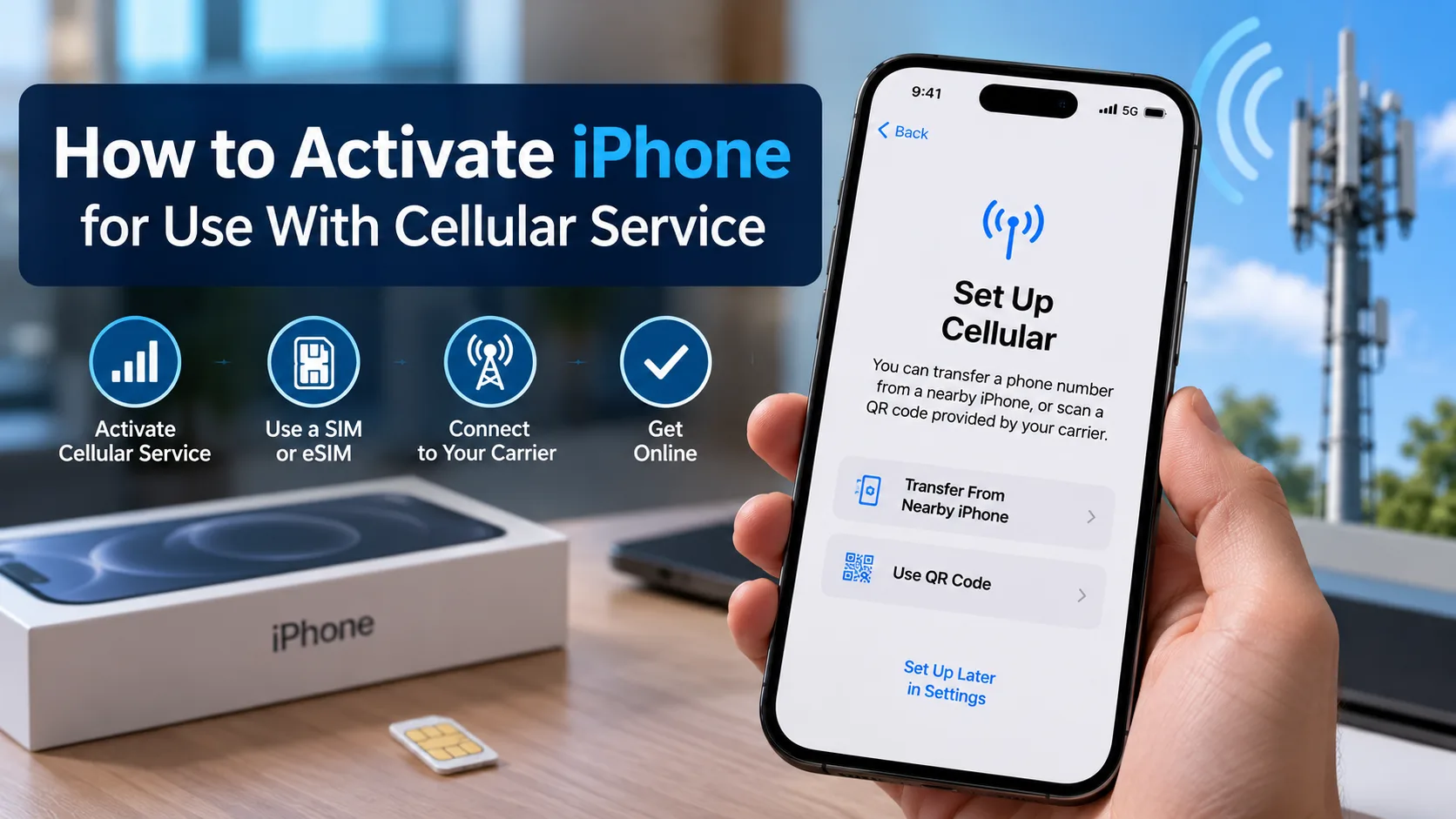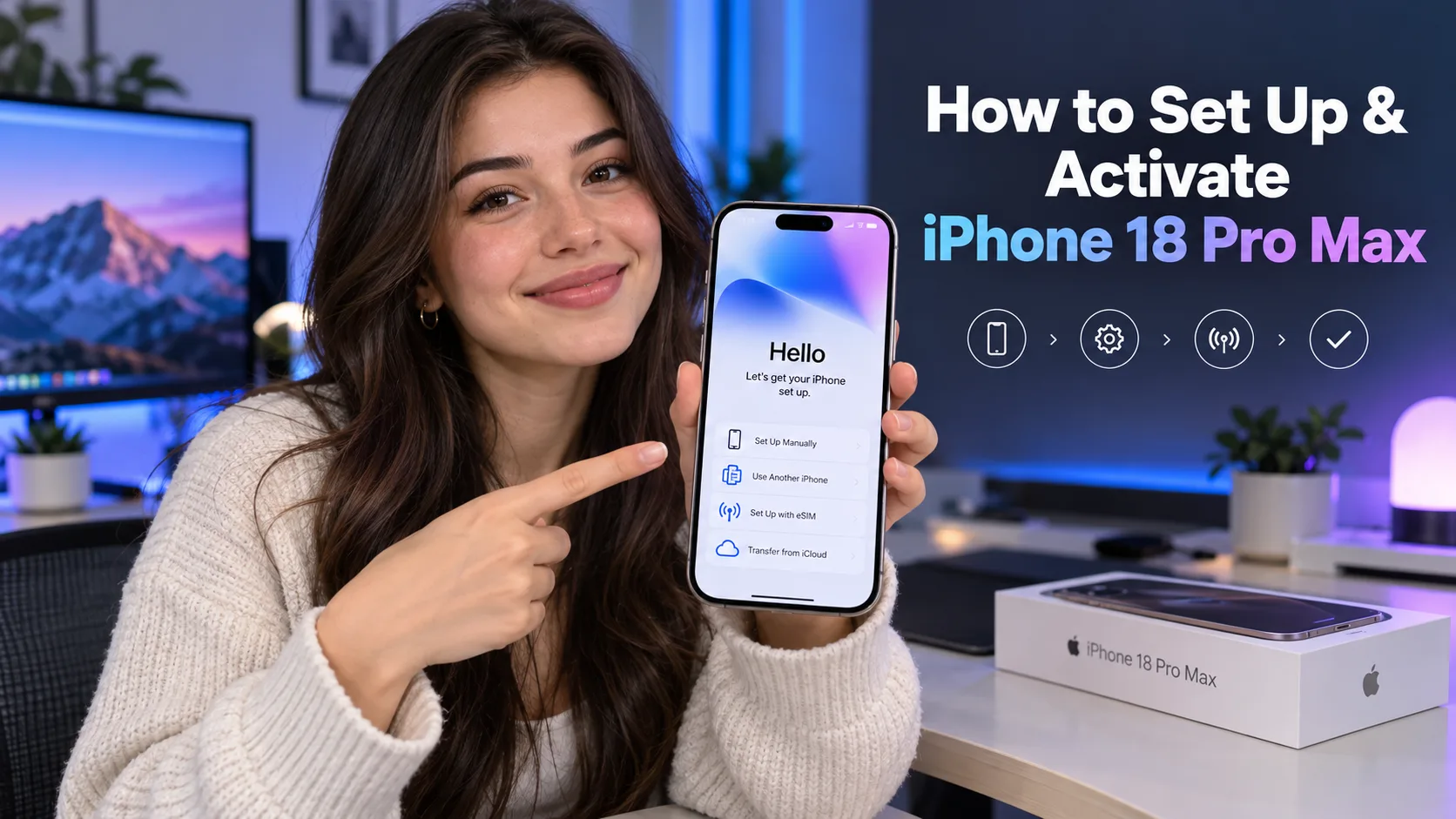

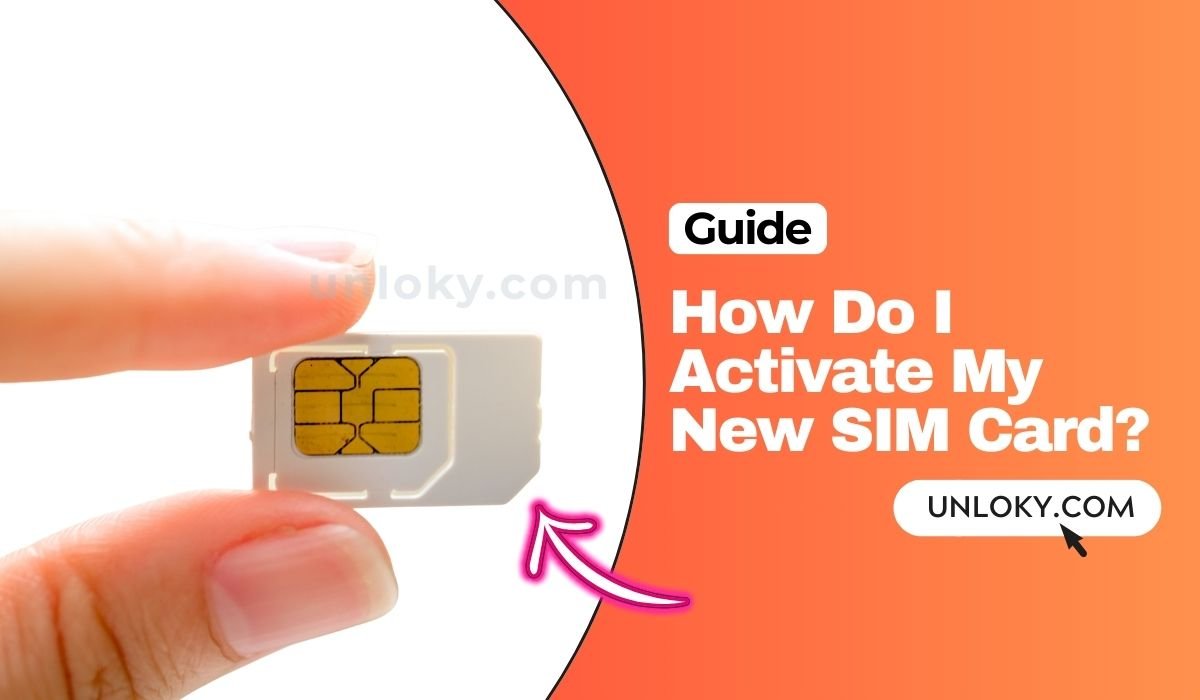
To activate your new SIM card, begin by powering off your phone and inserting the SIM card into its designated tray. Once it’s securely in place, turn the phone back on. In many cases, your phone will automatically detect the new SIM and guide you through setup using on-screen prompts. These may ask you to connect to Wi-Fi or log into your mobile account. If activation doesn’t happen automatically, visit your carrier’s website or app and follow their specific instructions, which typically involve entering the SIM card number (ICCID) and possibly your IMEI. Some providers may also require you to call their customer service line to complete activation.
After you complete the steps, check that your phone is showing signal bars, and test it by making a call or using mobile data. On Android, you can verify SIM status under Settings > Network & Internet > Mobile network; on iPhone, go to Settings > Cellular > Cellular Plans. If anything doesn’t work as expected, don’t hesitate to reach out to your carrier’s customer support.
Key Takeaways
- Always insert your new SIM card properly before powering on your device use the SIM eject tool, place the card securely in the tray, then restart your phone to detect it.
- Activation may happen automatically, but manual setup might be needed if there’s no network signal, check your carrier’s website or app to complete the SIM activation steps.
- Keep your ICCID and IMEI handy for a smooth activation process these numbers are often required by your carrier to verify and link your SIM card to your account.
- If problems persist, don’t hesitate to contact your carrier’s support they can help troubleshoot SIM issues, especially with porting numbers or network connection delays.
What Is a SIM Card? (For Beginners)
A SIM card, short for Subscriber Identity Module, is a small chip that you insert into your mobile phone. It stores important information like your phone number, your carrier account details, and the codes that let your device connect to your wireless provider’s network. Think of it as your phone’s ID badge it tells the carrier who you are and what services you’re allowed to use, like calling, texting, and mobile data.
When you insert a SIM card into a compatible device, it establishes a connection between your phone and your mobile carrier’s cellular network. Without a SIM card, most phones can’t make calls or use mobile data, unless connected to Wi-Fi. It’s what links your physical phone to your service plan.
In today’s world of mobile technology, SIM cards play a key role in 4G and 5G networks. They enable faster internet speeds, better call quality, and secure communication between your phone and the network. As networks evolve, so do SIM cards. Many modern smartphones now support eSIMs, which are embedded SIMs built directly into the phone. Unlike physical SIM cards that you insert and remove, an eSIM is activated digitally by scanning a QR code or using your carrier’s app.
In summary:
- Physical SIMs are tiny, removable chips (usually nano-sized) inserted into your phone.
- eSIMs are digital and built into your phone’s hardware—no card swapping required.
Both serve the same purpose: to connect your device to the network. The main difference lies in how they’re activated and managed.
Before You Start: What You’ll Need
Before activating your new SIM card, it’s important to gather a few key items and bits of information. This will help the activation process go smoothly and prevent unnecessary delays or errors. Whether you’re using a prepaid SIM or setting up a postpaid plan, here’s what you should have on hand:
Your SIM Card (Prepaid or Postpaid)
This is the chip you’ll insert into your phone. Make sure you have the correct size (nano, micro, or standard) based on your phone’s SIM tray. The SIM card might come in a multi-size cutout, so you can punch out the one that fits your phone.
Your Phone (Unlocked or Carrier-Compatible)
The phone you’re using should either be unlocked (not tied to any carrier) or compatible with the network of your chosen provider. If it’s locked to another carrier, activation may fail unless it’s unlocked beforehand.
ICCID Number
This is the 20-digit number printed on your SIM card or the SIM card packaging. It stands for Integrated Circuit Card Identifier and is used by the carrier to recognize and activate your specific SIM card.
IMEI Number
The IMEI (International Mobile Equipment Identity) is a unique identifier for your phone. You can find it by dialing *#06# on your phone or by checking under Settings > About Phone. Carriers often require the IMEI to verify that your device is eligible for activation.
Account Number or PIN (If Porting Your Number)
If you’re switching from another carrier and want to keep your old phone number, you’ll need your previous carrier’s account number and PIN. This ensures your number is transferred correctly. You can usually find this info by logging into your old carrier’s account or calling their customer service.
Having these items ready before you begin will make the SIM activation process quicker and help avoid any technical issues.
📖 Also Read: How to Unlock a TruConnect SIM Card for Free
How SIM Card Activation Works (In Simple Words)
Activating a SIM card might seem like a mystery, but it’s actually a simple process once you understand what’s happening behind the scenes. When you insert a new SIM card into your phone and power it on, your phone tries to connect to your mobile carrier’s network using the information stored on the SIM. If it’s a brand-new SIM, you may need to go through a short activation process to let the carrier know it’s ready to use.
What Actually Happens When You Activate
When you activate a SIM card, you’re basically telling your carrier, “I want to link this specific SIM card to my account so I can make calls, use data, and send texts.” Once you go through the activation steps—either automatically on your phone or manually via a website or customer service—your SIM card is registered in your carrier’s system.
Behind-the-Scenes: Assigning the SIM’s ICCID to Your Account
Every SIM card has a unique ICCID (Integrated Circuit Card Identifier)—usually a 19- or 20-digit number printed on the SIM itself. During activation, your carrier takes that ICCID and links it to your phone number and account details. This tells the network that your SIM card is the authorized device for that phone line. It also enables access to services like 4G, 5G, voicemail, and mobile data.
Why Some SIMs Activate Automatically and Others Don’t
Some SIM cards are pre activated, meaning they’re already linked to your account when shipped especially if you ordered a phone and SIM together. In that case, all you have to do is insert the SIM, power on the phone, and it just works.
Others need manual activation, especially if:
- You’re using a SIM with a different phone
- You’re porting a number from another carrier
- It’s a prepaid SIM kit from a retail store
- The SIM was part of a BYOD (Bring Your Own Device) plan
How Carriers Handle SIM Validation and Provisioning
Once your SIM card is registered, the carrier’s system checks if your phone is compatible and unlocked, validates your account status, and then provisions your phone number, mobile data, text messaging, and other services. Provisioning simply means the carrier “turns on” your service features and makes them work with your phone and SIM.
The entire process usually takes just a few minutes, but if something’s missing like an incorrect IMEI or SIM number it may require additional steps or customer support help.
📖 Also Read: AT&T SIM Card Activation (How-To Guide)
Step-by-Step Guide: How to Activate a SIM Card
Whether you’re switching carriers, upgrading your phone, or starting fresh with a new number, activating your SIM card is the key to getting your phone connected. Follow these clear, step-by-step instructions to get started—no matter which carrier you’re using.
Step 1: Power Off Your Phone and Insert the SIM Card
Before anything else, turn off your phone completely.
Next, locate the SIM card tray usually on the side or top edge of your phone. Use a SIM-eject tool or a small paperclip to open it.
Gently insert the new SIM card into the tray, making sure it’s properly aligned (the slanted corner should match the tray cutout).
Push the tray back in securely.
Step 2: Power On and Wait for Carrier Detection
Turn your phone back on. Most modern phones will automatically detect the SIM card once inserted.
You may see a welcome message, signal bars, or a carrier logo pop up on the screen.
If prompted, follow any on-screen instructions to start the activation process some phones will guide you through setup right away.
If nothing happens, don’t worry. Some SIM cards require manual activation, especially prepaid or BYOD (bring your own device) kits.
Step 3: Activate Through Your Carrier’s Website or App
If your SIM didn’t activate automatically, you’ll need to do it manually:
- Visit your carrier’s official activation page or open their mobile app.
- You’ll usually be asked to enter:
- Your ICCID number (printed on the SIM card or packaging)
- Your phone’s IMEI number (dial *#06# to find it)
- Your ZIP code, account number, or account PIN, especially if porting your number
- Submit the info and wait for a success message.
- Once confirmed, your phone might reboot or begin receiving signal shortly after.
Step 4: Activate by Calling Customer Support
Some users prefer or need to activate via phone call—especially if there are porting issues or multiple lines.
- Call the activation number provided with your SIM card (often found in the starter kit or on the carrier’s website).
- Follow the voice prompts or wait for a representative.
- Be ready to provide:
- Your SIM card number (ICCID)
- Your IMEI
- Any account verification info
- The representative will guide you through the process. You’ll usually receive a confirmation via SMS or hear that the phone is ready to use.
Step 5: Activate In-Store (If Required)
Some carriers especially smaller regional providers or MVNOs—may require in-person activation. This is also helpful if:
- Your phone is not recognizing the SIM
- You’re trading in or financing a phone
- You’re activating multiple lines or porting numbers
What to bring to the store:
- Your phone
- The new SIM card
- A valid photo ID
- Proof of purchase if requested
- Account credentials if porting a number
A store technician will usually handle the entire process for you, ensuring your phone is activated and connected before you leave.
Once you’ve completed one of these activation methods, test your phone by making a call or using mobile data. If everything works, you’re all set! If not, you may need to troubleshoot or contact your carrier’s support team.
📖 Also Read: How To Activate a New iPhone on Sprint
Carrier-Specific Activation Instructions (U.S. Carriers)
Activating your SIM card varies slightly depending on which U.S. carrier you’re using. Below is a breakdown of how to activate your SIM card for each major provider, including websites, phone numbers, and unique steps to watch out for.
A. AT&T
To activate your AT&T SIM card:
- Go to att.com/activations
- You’ll need your ICCID (from your SIM) and IMEI (from your phone)
- For AT&T Prepaid users, visit att.com/prepaidactivate instead
- Prefer phone support? Call 1-800-901-9878
- Activation is usually instant, but may take up to 10 minutes
B. T-Mobile
To activate a T-Mobile SIM card:
- Visit t-mobile.com/sim-activation
- You can log in to your T-Mobile account or activate as a guest
- If you already have the T-Mobile app installed, you can activate through the app
- Be sure your phone isn’t locked to another carrier—this can block activation
- Activation typically takes just a few minutes
C. Verizon
To activate a Verizon SIM:
- Download the MyVerizon app or go to verizon.com/activate
- Use the online tool to activate a new line or replacement SIM
- If you’re switching to Verizon, you may need to create a Verizon account during the setup
- The process varies for new accounts vs. device upgrades, so follow the prompts carefully
D. Mint Mobile
To activate your Mint Mobile SIM:
- Visit mintmobile.com/activate
- You can also use the Mint Mobile app to scan the QR code that came with your SIM kit
- Choose whether to get a new number or port your existing number
- The activation process is typically very quick—often under 10 minutes
E. Cricket Wireless
To activate with Cricket Wireless:
- Go to cricketwireless.com/activate
- You’ll need your order number or Cricket phone number
- Some Cricket SIMs automatically activate after payment, especially if you ordered online
- If not, the online tool walks you through it step by step
F. Metro by T-Mobile
To activate a Metro SIM:
- Visit metrobyt-mobile.com/self-service/activate
- Enter your Metro phone number and the SIM card number (ICCID)
- Some Metro SIMs are pre-activated in-store, so double-check before starting
- If activation doesn’t go through, customer support can assist by phone or in-store
G. Boost Mobile
For Boost Mobile users:
- Head to boostmobile.com/activate
- Choose if you are a new or existing customer
- You’ll be guided through the steps to enter your SIM, phone, and plan info
- If switching phones, make sure your device is unlocked, as Boost may reject incompatible devices
H. Tracfone / Straight Talk / Net10
To activate Tracfone or its brands (like Straight Talk or Net10):
- Use tracfone.com/activate or the brand’s activation site
- You’ll be asked to enter your ZIP code, SIM card number, and device IMEI
- These brands often include Triple SIM kits—choose the correct SIM (AT&T, Verizon, or T-Mobile-compatible)
- Activation typically complet
- es within 15–30 minutes but can take longer if porting a number
Each carrier has its own system, but most follow the same basic process: insert the SIM, provide your device and account details, and wait for confirmation. If you hit any snags, don’t hesitate to reach out to customer support or visit a store for help.
Tips for a Smooth Activation
Activating a SIM card might seem straightforward, but missing even one small detail can delay your connection. Whether you’re using a new carrier, switching phones, or setting up a fresh line, following these tips can make the activation process faster and stress-free.
1. Always Use an Unlocked or Carrier-Compatible Device
Before inserting your SIM card, make sure your phone is either unlocked or compatible with your new carrier’s network. If the device is locked to another provider, activation will fail, and you won’t get service. Check with your previous carrier or use the IMEI to verify compatibility on the new carrier’s website.
2. Double-Check Your ICCID and IMEI Numbers
When filling out activation forms whether online, through an app, or with customer support you’ll often need to input your SIM card’s ICCID and your phone’s IMEI. A single-digit error can cause failed activation or delays. Always double-check these numbers before submitting.
3. Don’t Insert the SIM Until You’re Ready to Activate
Inserting the SIM card too early may cause automatic processes to begin before you’re fully prepared. It’s better to wait until you have:
- Your carrier’s activation page open
- Your phone off and ready
- All your account details in front of you
Once everything’s in place, insert the SIM, power on your device, and proceed with activation.
4. Keep Your Original Packaging with All SIM Numbers
The SIM card packaging includes critical details like the ICCID, PIN, and PUK code all of which may be needed during activation or for troubleshooting later. Store the packaging in a safe place, especially if you’re using a prepaid or BYOD SIM kit.
5. Contact Customer Support Early If You Get Stuck
If your phone doesn’t show signal bars or you get stuck during activation, don’t wait hours hoping it resolves itself. Contact your carrier’s customer support right away. Most carriers have dedicated activation departments that can resolve issues quickly, especially if something went wrong during porting or if your SIM wasn’t properly provisioned.
How to Activate eSIM Instead of a Physical SIM
As mobile technology continues to evolve, eSIM is becoming a more common and convenient alternative to traditional SIM cards. It works entirely digitally no need to insert or swap a tiny chip. Here’s a simple guide to help you understand what eSIM is and how to activate it on your phone.
What Is an eSIM and How Does It Work?
An eSIM (Embedded SIM) is a digital version of a physical SIM card that’s built directly into your phone’s hardware. Unlike a removable SIM card, the eSIM can’t be lost, removed, or damaged. It functions the same way by storing your mobile number, carrier info, and network settings but all digitally.
You can download a mobile plan directly to your device, eliminating the need to wait for a physical card. This is especially useful for travelers, dual-SIM setups, or switching between carriers without needing a new SIM every time.
Activating an eSIM via QR Code from Your Carrier
Most carriers provide an eSIM activation QR code either online, via email, or in-store. Here’s how to use it:
- Make sure your phone supports eSIM (most modern iPhones and Androids do).
- Connect your phone to Wi-Fi before starting.
- Open your phone’s Settings and go to the cellular/mobile section.
- Tap “Add Cellular Plan” or “Use QR Code”.
- Scan the QR code provided by your carrier.
- Follow the on-screen prompts to download and activate your eSIM profile.
Once complete, your phone will connect to the carrier network just like it would with a physical SIM.
Using the Phone’s eSIM Menu (iOS or Android)
You can also activate an eSIM manually by entering the SM-DP+ address and activation code (if provided by your carrier), without scanning a QR code.
On iPhone:
- Go to Settings > Cellular > Add eSIM
- Choose to scan a QR code or enter details manually
- Follow prompts to finish setup
On Android (Pixel/Samsung):
- Go to Settings > Network & Internet > SIMs or Mobile Network
- Tap Add eSIM or Download SIM
- Scan the QR code or use carrier settings to activate
Switching from a Physical SIM to an eSIM
If you’re already using a physical SIM and want to switch to eSIM:
- Contact your carrier to request an eSIM transfer.
- They will deactivate your physical SIM and issue an eSIM profile (QR code or activation link).
- Follow the activation steps above.
- Once your eSIM is working, you can remove the physical SIM.
Many phones support dual SIM mode meaning you can use both your eSIM and physical SIM together for two numbers or carriers on the same device.
Porting Your Old Number to Your New SIM
Switching to a new carrier doesn’t mean you have to lose your old phone number. Thanks to a process called number porting, you can move your existing phone number over to your new SIM card and keep using it just like before. Here’s how it works and what you need to know to make the transfer smooth and stress-free.
What Is Number Porting?
Number porting is the process of transferring your current mobile number from your old carrier to your new carrier. Instead of being assigned a new phone number, porting lets you keep the one you already use, whether you’re switching from Verizon to T-Mobile, AT&T to Mint Mobile, or any other combination. The process is regulated by the FCC in the U.S., which requires carriers to allow you to take your number with you.
What You’ll Need to Port Your Number
To port your number successfully, your new carrier will need some key information from your old carrier’s account:
- Account number – You can usually find this on your latest phone bill or by logging into your old carrier’s website.
- Account PIN or Porting PIN – This is often a 4- to 6-digit code that protects your account. You may need to request it from your old carrier specifically for porting.
- Billing ZIP code – This must match the billing address associated with your old account exactly.
Tip: Don’t cancel your old account before porting is complete. The number must still be active for the transfer to work.
How Long Does Porting Take?
Number porting is usually quick, but the exact time can vary depending on the carriers involved:
- Most ports complete within a few minutes to 1 hour
- In some cases (especially when switching from landlines or business accounts), it can take up to 24–48 hours
- Porting on weekends or holidays may take longer
Your new carrier will typically send a confirmation once the port is complete.
Temporary Number During Porting Delay
In some cases, especially with prepaid carriers, you might be assigned a temporary number while your port is being processed. This lets you use the service right away without waiting. Once the port goes through, your old number will replace the temporary one automatically.
Make sure to back up texts, voicemails, and contacts before switching—some carriers wipe data when the number is updated.
Common Porting Delays (And How to Fix Them)
Porting issues are usually caused by mismatched account details. Here’s how to troubleshoot:
- Wrong PIN or account number – Double-check all information with your old carrier.
- Billing address mismatch – Ensure your ZIP code and address match exactly.
- Old account already closed – If your previous line is deactivated, the port will fail.
- Locked phone – Make sure your device is unlocked and compatible with the new network.
If your number hasn’t ported after 24 hours, call your new carrier’s porting department for help. They can often escalate the issue or resubmit the request.
Porting your number is a great way to enjoy better service or pricing without the hassle of updating contacts with a new number. Just gather your details ahead of time, follow the steps, and keep your old line active until the transfer is done.
The Bottom Line: You’re Now Connected
Activating your new SIM card is the key step to getting your phone up and running, whether you’re starting fresh with a new number or bringing your old one over. A successful activation ensures that your phone can call, text, and access mobile data without any issues. When done correctly, activation only takes a few minutes and it keeps your mobile experience smooth and secure.
If your SIM card doesn’t activate right away or you run into a problem (like no signal, invalid SIM, or activation errors), don’t hesitate to contact your carrier’s customer support. They can guide you through troubleshooting or manually complete the activation on their end. Carriers usually have a dedicated support line or chat just for activation help.
Finally, always keep your SIM card packaging, ICCID, and account information in a safe place. These details may be needed later for troubleshooting, porting your number again, or verifying your account. By following the steps carefully and staying prepared, you’ll avoid delays and get connected faster exactly how it should be.
Frequently Asked Questions (FAQs)
1. Can I activate a SIM card without a phone?
Not really. While you can start the activation process online or through a carrier’s app, you’ll need a phone to complete it and test the SIM. Your phone is what connects to the network and verifies that the SIM is working properly. Even for eSIMs, a compatible phone is required to download and activate the profile.
2. Do SIM cards activate automatically?
Some do, and some don’t. If you ordered your SIM card directly from a carrier with a new phone, it may come pre-activated. However, most prepaid kits or SIMs for bring-your-own-device plans require manual activation online, via app, or by calling customer support. Always check your SIM card packaging or activation instructions.
3. Can I use an old SIM card in a new phone?
Yes, but only if the new phone is compatible and unlocked (or locked to the same carrier). If the phone and SIM work on the same network technology (like GSM or CDMA), you can simply move the SIM over. Keep in mind: some features (like 5G or Wi-Fi calling) may not work unless the SIM and phone are fully supported by your carrier.
4. How do I know if my phone is carrier-locked?
To check if your phone is carrier-locked:
- Try inserting a SIM card from a different carrier. If you see a message like “SIM Not Supported” or “Enter Unlock Code,” your phone is locked.
- You can also call your current carrier or check your device’s settings under About Phone > Carrier Lock (on iPhones).
- Many online IMEI check tools can also tell you if your device is locked or unlocked.
5. Can I activate a SIM card without calling customer service?
Yes, in most cases! Most carriers offer online or app-based activation, where you enter your SIM card number (ICCID), phone IMEI, and ZIP code to get started. These options are fast and convenient. However, if you’re porting a number or face a technical issue, you may still need to call customer support to complete the process.
TL;DR
Activating a new SIM card is easy: just insert the SIM, go to your carrier’s activation website or app, and enter the ICCID (SIM number) and IMEI (device number) when prompted. Most major U.S. carriers complete activation within a few minutes, though porting an old number can take longer. For the best experience, use an unlocked or carrier-compatible phone, and keep all important details like your SIM packaging, account info, and login credentials handy during setup to avoid any hiccups.