
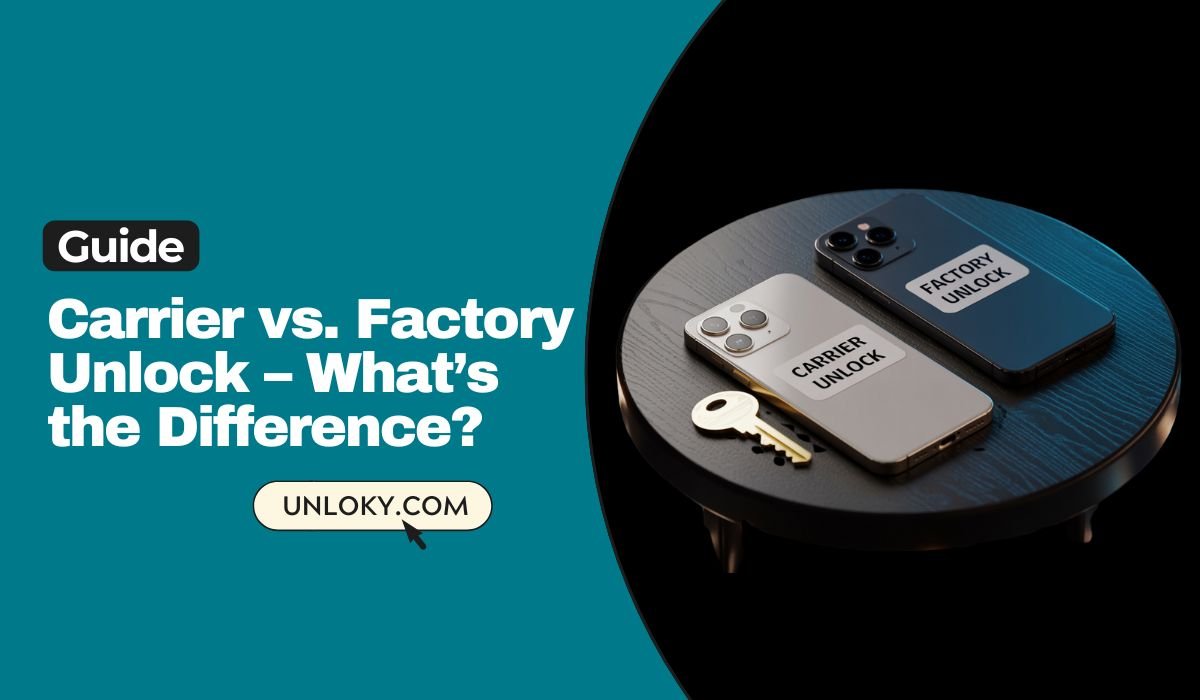
A carrier unlock means your phone was initially sold by a carrier and locked to their network, but you (or the carrier) later unlocked it so it can be used with other networks. A factory unlock means the phone was sold unlocked by the manufacturer from the start, so it can work with any carrier worldwide. Carrier unlocks often come with restrictions like branded software, while factory unlocks usually offer more flexibility and compatibility.
Unlocking your phone can be a game-changer. Whether you want to switch carriers, travel internationally, or boost your phone’s resale value, unlocking lets you break free from carrier limitations. But not all unlocks are created equal. You’ve probably heard terms like “carrier unlock” and “factory unlock”—but what do they really mean? Let’s dive in and explore the key differences between these two unlocking methods so you can make the best choice for your device and lifestyle.
Understanding Locked Phones
What is a Locked Phone?
A locked phone is a smartphone that’s tied to a specific carrier, like AT&T, Verizon, or T-Mobile. When a phone is locked, it can only use SIM cards from that carrier. This means you can’t just pop in a different carrier’s SIM card and expect it to work.
Definition of Carrier-Locked Devices
Carrier-locked devices have software restrictions that limit which networks they can connect to. These restrictions are set by the carrier to make sure you stick with their service for a certain amount of time, like until your contract is paid off.
Explanation of Software Restrictions and SIM Limitations
A locked phone uses special software that prevents it from working with other carriers’ SIM cards. When you insert a SIM from a different carrier, the phone might show an error message like “SIM Not Supported” or ask for an unlock code. These software barriers can stop you from using the phone internationally or switching carriers until you get it unlocked.
Why Are Phones Locked in the First Place?
Carriers often lock phones because they sell them at a discount or let you pay in monthly installments. This is called a subsidy—the carrier gives you a deal on the phone, but you agree to stick with their service for a while. Locking the phone helps the carrier make sure they get their money back before you take the phone to a different network.
Locking also helps protect carrier investments. By keeping phones locked, carriers can ensure that customers won’t just grab a cheap phone and leave for another network right away. It’s a way for them to keep loyal customers and recover costs.
Don’t Miss It: Hard Reset vs. Factory Reset: What’s the Real Difference?
What is a Carrier Unlock?
Definition: Unlocking Done by the Carrier
A carrier unlock is when your carrier (like AT&T, Verizon, or T-Mobile) removes the software lock from your phone. This allows you to use your phone with SIM cards from other carriers. It’s usually done by the carrier itself or through a special unlock code they provide.
How It Works
Eligibility Requirements
Before a carrier will unlock your phone, there are usually some requirements you must meet. Most carriers will only unlock your device if:
- It’s fully paid off (no outstanding payments or contracts).
- Your account is in good standing (no overdue bills).
- You’ve used the device on their network for a minimum period (like 60-90 days).
Requesting an Unlock Code from the Carrier
Once you meet these requirements, you can contact your carrier’s customer support (by phone, online, or in-store) and request an unlock. They’ll verify your account and phone details.
Using the Unlock Code or App to Remove the SIM Lock
After they approve your request, they’ll give you an unlock code or guide you through using their app to unlock the phone. You simply enter the code when prompted, and the phone will accept SIM cards from other networks.
Advantages and Drawbacks
Advantages
- Straightforward Process: Since it’s done through the carrier, it’s official and usually reliable.
- Carrier Support: If there are issues, the carrier can help troubleshoot.
Drawbacks
- Carrier Branding: Even after unlocking, your phone might still have the carrier’s logo, pre-installed apps, or customized settings.
- Software Restrictions: Some phones might have limited firmware updates tied to the original carrier.
Don’t Miss It: Secret Code To Unlock Android Phone Password Master Code
What is a Factory Unlock?
Definition: Device Unlocked at the Manufacturer Level
A factory unlock means the phone is unlocked right from the start by the manufacturer. This means it’s not tied to any specific carrier, so you can use it with any compatible SIM card from anywhere in the world.
How It Works
Sold as Unlocked from the Start
When you buy a factory-unlocked phone, it’s sold to you without any carrier restrictions. You just pop in your SIM card and go—no need to call the carrier or enter an unlock code.
Uses IMEI-Based Unlocking (Permanent and Universal)
Factory unlocking is usually done through the phone’s IMEI number (a unique identifier for your device). This ensures the unlock is permanent and recognized globally, so you won’t have to worry about it getting re-locked if you reset the device or update its software.
Works with Any Compatible Carrier Worldwide
With a factory-unlocked phone, you can use any carrier that supports the phone’s technology—whether you’re in the U.S., Europe, or Asia. This is especially handy for travelers who want to switch SIM cards without a hitch.
Advantages and Drawbacks
Advantages
- No Branding: No carrier logos, pre-installed apps, or carrier-specific settings.
- Maximum Compatibility: Works with any supported network worldwide.
- Higher Resale Value: People often prefer factory-unlocked phones because they’re more flexible and easier to use with any carrier.
Drawbacks
- More Expensive Upfront: Factory-unlocked phones often cost more because they’re not subsidized by carriers.
- Less Carrier Support: If you run into issues, your carrier might not help since the phone didn’t come from them.
Key Differences at a Glance
If you’re still wondering which unlock is right for you, here’s a simple breakdown of the main differences between carrier unlocks and factory unlocks:
| Feature | Carrier Unlock | Factory Unlock |
|---|---|---|
| Unlock Provider | Carrier | Manufacturer/IMEI-based |
| Process | Request unlock code | Sold as unlocked/IMEI |
| Permanence | May depend on software | Permanent and universal |
| Branding/Bloatware | Often remains (carrier logos, apps) | No carrier branding |
| Compatibility | Usually local carriers | All global networks |
This table helps you see at a glance why a factory unlock is often more flexible, but might cost a bit more upfront, while a carrier unlock is more budget-friendly but may come with some limitations.
Don’t Miss It: How To Unlock A Motorola Phone To Use On Any Network
When Should You Choose Carrier vs. Factory Unlock?
Deciding between a carrier unlock and a factory unlock isn’t always easy. Let’s look at some real-life scenarios to help you pick the best option for your needs:
Scenario 1: Stuck in a Carrier Contract
If you already own a phone tied to a carrier (like AT&T or Verizon) and you’re still under contract, a carrier unlock might be your only option. Once you pay off your phone or finish the contract, you can request the carrier to unlock it. This is a good choice if you’re planning to stay with the same phone but want the freedom to use it abroad or switch carriers later.
Scenario 2: Planning to Travel Internationally
Frequent travelers often prefer a factory unlock because it works with any SIM card around the world. With no restrictions or software locks, you can just pop in a local SIM and use your phone hassle-free. It’s perfect for avoiding expensive roaming charges.
Scenario 3: Buying a Phone Second-Hand
If you’re buying a used phone from someone, check if it’s factory unlocked. This ensures you can use it with any carrier, even if you’re in a different country. A carrier-unlocked phone might still have software tied to the original network, which could limit your options or cause software issues.
Scenario 4: Budget-Conscious Buyers
A carrier-locked phone that you unlock later is often cheaper upfront than buying a factory-unlocked device. This can be a good option if you’re on a budget. Just remember to ask the carrier about the unlock process and any eligibility requirements before making the purchase.
Potential Risks and Considerations
Before you rush to unlock your phone, it’s smart to know about the potential risks that can come with unlocking. Let’s take a look:
Fake Unlock Services: How to Spot Scams
There are plenty of websites and apps out there that promise quick unlocks for a low fee. Unfortunately, some of these are scams. They might take your money and never provide a code—or worse, they could try to steal your personal information. Always use reputable sources:
- Check reviews and ratings before buying an unlock service.
- Avoid services that promise instant unlocks that seem too good to be true.
- Stick with your carrier or the phone’s manufacturer whenever possible.
Warranty and Support: Will Unlocking Void Warranty?
It depends on how you unlock the phone. A carrier unlock done officially by your carrier usually doesn’t void the warranty because it’s part of their service. But a factory unlock (especially through unofficial means) might impact your warranty or support eligibility. Always check with the carrier or manufacturer before unlocking to be sure.
Software Updates: How Unlocking May Affect OTA Updates
An official carrier unlock generally won’t affect software updates, but sometimes it might cause delays—especially if the phone is still using the carrier’s firmware. With factory-unlocked phones, you usually get software updates directly from the manufacturer, so they’re often quicker and more consistent.
How to Get Your Phone Unlocked Safely
Unlocking your phone doesn’t have to be risky. Here’s how to do it the right way:
Carrier Unlock Step-by-Step Guide
- Check eligibility: Make sure your phone is paid off and your account is in good standing.
- Contact your carrier: Call, visit their website, or stop by a store to request an unlock.
- Provide your IMEI: Your carrier will ask for your phone’s IMEI number. You can find it by dialing *#06# on your phone.
- Wait for approval: Once your carrier confirms everything, they’ll give you an unlock code or guide you through their app.
- Enter the unlock code: Insert a new SIM card and enter the unlock code when prompted. Your phone is now carrier unlocked!
Factory Unlock Process or Buying Pre-Unlocked
- Buy pre-unlocked: The easiest way is to buy a factory-unlocked phone directly from the manufacturer or a trusted store.
- Factory unlock service: If you already have a locked phone, you can sometimes use an IMEI-based factory unlock service. These services work by whitelisting your IMEI in the manufacturer’s database, so the phone is permanently unlocked. Always use reputable companies for this!
Tips for Verifying Unlock Status
- Try a different SIM card: Insert a SIM from another carrier. If it works, your phone is unlocked.
- Check in your phone’s settings: Some phones show unlock status in the “About” section of the settings.
- Ask your carrier: They can confirm if the phone is unlocked on their end.
FAQs
Will Unlocking Affect My Warranty?
It depends on how you unlock your phone. If you do an official carrier unlock, it usually doesn’t affect your warranty. However, using third-party services or unofficial methods might void your warranty—especially if the phone was tampered with or modified during the process. Always check with your carrier or the manufacturer to be sure.
Can I Reverse an Unlock?
Once a phone is factory unlocked, the process is permanent—it can’t be reversed. A carrier unlock also generally stays unlocked even after software updates. However, in rare cases, a factory reset or software update might cause the phone to relock temporarily (especially with some older Android models), but this is less common today.
How Can I Tell if My Phone Is Unlocked?
The easiest way to check is to insert a SIM card from a different carrier and see if the phone works. If it connects to the network and makes calls, you’re unlocked! You can also check in your phone’s settings under About Phone or Network Settings to see if there’s an unlock status.
Does Unlocking Affect Performance or Battery Life?
No—unlocking doesn’t change your phone’s hardware or affect how it performs. Your apps, battery life, and overall speed will stay the same. Unlocking only changes the phone’s ability to accept different SIM cards.
Conclusion
Unlocking your phone is a smart move if you want to enjoy more freedom and flexibility. Whether you choose a carrier unlock or a factory unlock, knowing the differences can save you time, money, and headaches. Carrier unlocks are great if you’re sticking with the same device and want an affordable option. Factory unlocks, on the other hand, give you the most flexibility—no carrier branding, no limitations, and the ability to use your phone with virtually any carrier worldwide.
Remember to always use trusted services, check your eligibility, and ask your carrier or the manufacturer about any warranty concerns before unlocking. With the right approach, you’ll be ready to take your phone anywhere—without restrictions.
So, what are you waiting for? Check your phone’s lock status today and start enjoying the freedom of an unlocked device!