
TL;DR – Quick Answer
Your unlocked phone can connect to maritime cellular networks while at sea, but it’ll cost you a fortune—we’re talking $2-$16 per minute for calls and up to $20/MB for data. The smartest move? Keep your phone in airplane mode and use the ship’s WiFi packages ($15-$30/day).
If you need to stay connected, get an international plan before boarding, use messaging apps over WiFi, or wait until you’re in port to connect to local networks. An unlocked phone gives you flexibility, but the real money-saver is knowing when NOT to use cellular service at sea.
Understanding Maritime Networks at Sea
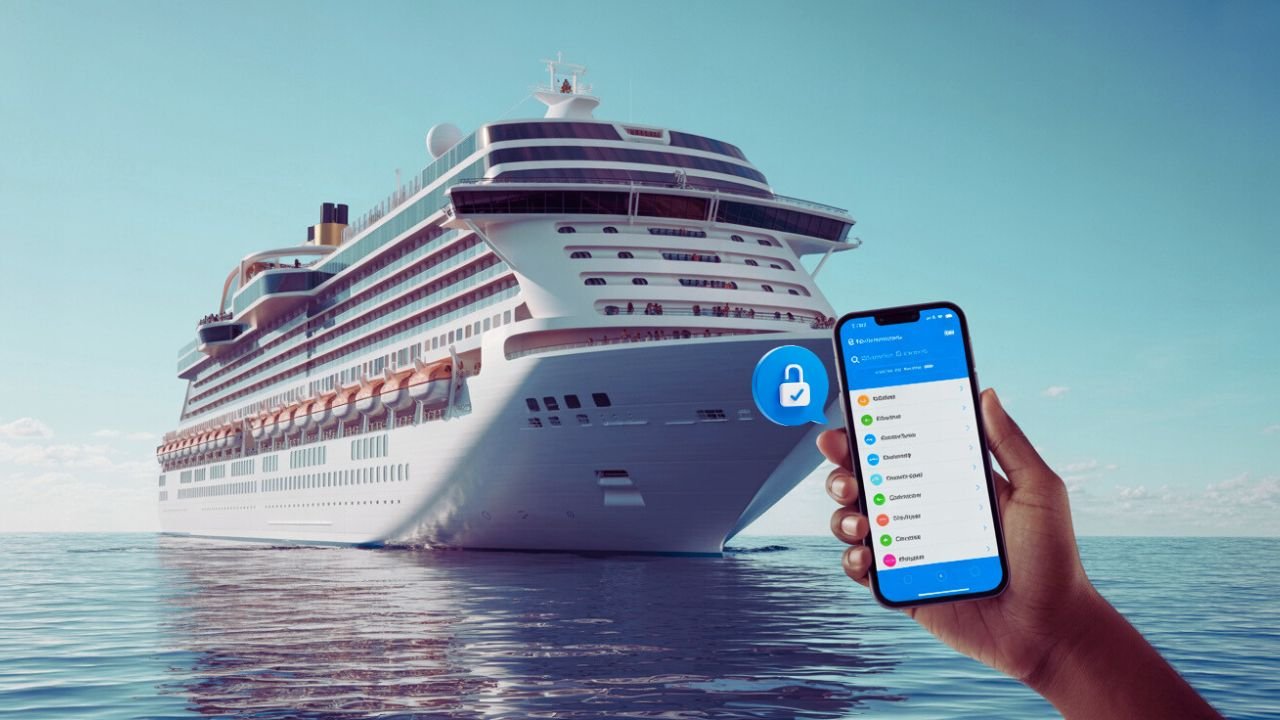
Here’s something most people don’t realize until it’s too late: when you’re cruising in international waters, your phone isn’t connecting to regular cell towers. Instead, it’s latching onto maritime cellular networks operated by companies like Wireless Maritime Services (WMS) and Cellular at Sea. These are satellite-based systems, and they’re notorious for charging rates that would make your regular carrier look like a bargain.
Your unlocked phone is actually both a blessing and a potential curse in this situation. On one hand, it gives you the freedom to use local SIM cards when you dock in different ports. On the other hand, if you’re not careful, it’ll happily connect to these expensive maritime networks the moment you lose sight of land.
Cost Comparison: Your Options at Sea
| Connection Method | Cost Range | Speed/Quality | Best For |
|---|---|---|---|
| Maritime Roaming | $2.99-$15.99/min calls $5-$20/MB data | Slow, unreliable | Emergency calls only |
| Cruise Ship WiFi (Basic) | $15-$20/day $75-$100/week | Social media only, 1 device | Light browsing, messaging |
| Cruise Ship WiFi (Premium) | $25-$35/day $150-$200/week | Streaming capable, multiple devices | Remote work, video calls |
| International Cruise Plan | $10-$15/day (carrier-specific) | Varies by location | Port days, regular users |
| Local SIM in Ports | $5-$25 per port | Fast, reliable | Budget travelers, flexible plans |
| Airplane Mode + WiFi | Free (ship WiFi separate) | N/A for cellular | Maximum cost avoidance |
Travelers have reported bills exceeding $5,000 for a single cruise after forgetting to disable cellular data. One family received a $7,800 charge for their teenage son streaming music while the ship was at sea. Maritime roaming doesn’t mess around.
Protection Strategies: Avoiding Bill Shock
Step-by-Step: Setting Up Your Unlocked Phone for a Cruise
Call your carrier and ask about international cruise plans or maritime roaming rates. If they offer a cruise package, add it to your account. If their rates are astronomical (most are), plan to rely on WiFi instead.
Download all apps you’ll need for communication: WhatsApp, Messenger, Skype, Google Maps offline, translation apps, etc. Download movies, music, and books for offline use. Update your phone’s operating system.
Take a screenshot of your phone’s data usage. This gives you a baseline in case you need to dispute charges later. Back up your phone and ensure you have all important contacts available offline.
The moment you step onto the ship, enable airplane mode. Then manually turn WiFi back on. Go to Settings → Cellular/Mobile Data → Disable “Data Roaming” and “Cellular Data” as an extra precaution. Some phones try to be helpful by reconnecting automatically—don’t let them.
Purchase and connect to the cruise ship’s WiFi package. Most ships have signup portals that appear when you try to browse the web. Choose a package based on your needs—basic for messaging, premium for streaming.
If you’re using local SIMs, you can temporarily disable airplane mode when firmly docked in port. Confirm you’re connected to a land-based tower by checking your carrier name. Re-enable airplane mode before the ship departs.
Keep airplane mode on until you’re completely off the ship and back on land. Ships can take hours to dock fully, and you might still connect to maritime networks during this time. Check your data usage when you’re safely back on shore.
Set up usage alerts with your carrier before you leave. Many carriers let you set spending limits or data caps that will shut off service if you exceed them. This is your financial safety net if something goes wrong.
Making the Most of Your Unlocked Phone in Ports
This is where your unlocked phone really shines. Instead of relying on expensive roaming, you can grab local SIM cards at each port of call. Here’s the strategy that savvy cruisers use:
Caribbean cruises: Many islands use the same carriers. A SIM card from Digicel or Flow can work across multiple stops. Buy one in the first port and you might have coverage for the entire cruise.
European cruises: An EU SIM card (like Vodafone or Orange) gives you data across all EU ports thanks to roaming regulations. Buy one in your first EU port and you’re covered for the rest of your Mediterranean or Baltic cruise.
Alaska cruises: US carriers work here, but Canadian ports will roam. Consider a US/Canada plan or pick up a Canadian SIM in Victoria or Vancouver. T-Mobile includes Canada in most plans, making them a solid choice for Alaska cruisers.
Where to Buy SIM Cards in Popular Cruise Ports
Most cruise ports have mobile shops near the terminal exit. Look for carrier stores or convenience stores that sell SIM cards. Popular cruise destinations like Cozumel, Nassau, Barcelona, and Santorini all have multiple options within walking distance of where ships dock. Prices typically range from $10-30 for tourist-oriented data packages.
Understanding Cruise Ship WiFi
Let’s be honest—cruise ship WiFi has a reputation for being slow and overpriced. But it’s gotten significantly better in recent years, especially on newer ships. Most cruise lines now offer tiered packages:
Social packages ($15-20/day) let you access messaging apps, social media, and email. They block streaming services, video calls, and cloud uploads to preserve bandwidth. These work fine for staying in touch with family and posting vacation photos (eventually).
Premium packages ($25-35/day) offer better speeds and allow streaming. If you need to work remotely or video chat with folks back home, this is your only real option. The connection still won’t match your home broadband, but it’s workable.
Weekly deals are almost always cheaper than daily rates. A $150 weekly premium package beats paying $35 daily for seven days. If you know you’ll need connectivity, buy the package for the entire cruise upfront.
Many cruise ships offer discounts if you purchase WiFi packages before boarding through their mobile app or website. Pre-cruise deals can save you 10-30% compared to buying once you’re onboard.
What About eSIM for Cruises?
If your unlocked phone supports eSIM (iPhone XS and newer, most recent Android flagships), this opens up some interesting possibilities. Services like Airalo, Holafly, and Nomad offer regional eSIM plans that can work in port cities without swapping physical SIM cards.
The catch? eSIM plans typically don’t help you at sea—they’re still connecting to land-based networks. But for port days, they’re incredibly convenient. You can buy a Caribbean eSIM package before leaving home and have data ready to go the moment you dock in each port. No hunting for SIM card shops, no dealing with language barriers or opening hours.
Popular eSIM options for cruisers include regional packages covering multiple countries. A Caribbean eSIM might cost $25-40 for 3-5GB valid across a dozen islands. European regional packages are similar. These eliminate the hassle of buying SIMs in each port while still giving you that unlocked phone flexibility.
Emergency Communication at Sea
Here’s something important: despite all the warnings about costs, there are situations where you legitimately need to make calls from a maritime network. Medical emergencies, family crises, urgent business matters—life happens. Your unlocked phone will work in these situations, just at premium rates.
Most cruise lines also offer emergency messaging services and have medical facilities onboard. For true emergencies, the ship’s communication systems are faster and more reliable than your personal phone anyway. But if you need to make an emergency call from your cell phone at sea, don’t hesitate because of the cost—just be aware that bill is coming.
Some carriers offer ways to cap international spending or set up alerts. Contact them before your cruise if you’re concerned about potential emergencies requiring phone use. Having a $500 spending limit in place means you can’t accidentally run up a five-figure bill.
The Bottom Line
Your unlocked phone is like a passport for staying connected around the world—but maritime networks are the equivalent of extreme roaming surcharges. The freedom of an unlocked device gives you amazing flexibility in ports, where you can use local SIMs for a fraction of cruise ship WiFi costs. But at sea, that same freedom means your phone will happily rack up charges that could rival the cost of your entire cruise.
The winning strategy? Think of your cruise as having two separate connectivity environments. At sea, you’re in airplane mode using ship WiFi exclusively. In port, you’re switching to local networks through SIM cards or eSIMs. This hybrid approach gives you the best of both worlds: avoiding bill shock while maximizing your phone’s capabilities.
Most importantly, don’t let fear of phone charges stop you from enjoying your cruise. Set up airplane mode correctly, maybe grab a WiFi package for peace of mind, and then forget about it. Your unlocked phone is a tool—used wisely, it enhances your cruise experience. Used carelessly, it costs you a fortune. The choice, and the settings, are in your hands.
Frequently Asked Questions
A: Yes, absolutely. If cellular service is enabled, your phone will search for and connect to any available network, including expensive maritime ones. This is why airplane mode is critical—it prevents these automatic connections. Your phone can’t tell the difference between a $0.10/minute call and a $15/minute call; it just connects to whatever network is available.
A: Technically yes, but most cruise ships’ terms of service prohibit this, and some actively block hotspot functionality. WiFi packages are usually sold per-device, so sharing your connection violates their policy. If you need multiple devices online, buy a multi-device package or a separate package for each device.
A: You’ll get a bill from your carrier, usually arriving 1-2 months after your cruise. The charges depend on your carrier and the maritime network you connected to. Some carriers offer grace periods or one-time forgiveness for small overages, especially if you’re a long-time customer. Call them immediately, explain the situation, and ask if they can reduce the charges. Results vary, but it’s worth trying.
A: Some cruise lines are starting to install SpaceX’s Starlink, which offers significantly faster speeds than traditional maritime satellite internet. Royal Caribbean began adding it to their fleet in 2022, and other lines are following. Ships with Starlink can offer better WiFi at competitive prices. Check with your cruise line to see if your specific ship has Starlink—it makes a noticeable difference in connection quality.
A: Yes, if your carrier supports WiFi calling and you have it enabled before boarding. WiFi calling works over the ship’s internet connection, so you’ll need a WiFi package. The calls typically count as regular minutes from your plan, not international calls. This is a great way to stay in touch without roaming charges—just make sure WiFi calling is set up and tested before you leave home.
A: It’s not necessary if airplane mode is properly enabled, but some ultra-cautious travelers do this for peace of mind. Removing your SIM guarantees no cellular charges, period. The downside is you can’t use WiFi calling or receive verification texts. For most people, airplane mode with disabled data roaming is sufficient protection without sacrificing all phone functionality.
A: As of 2025, yes, virtually all cruise lines charge for WiFi, though some luxury lines include basic WiFi in their fares. A few select sailings or promotions might include complimentary internet, but it’s rare. Budget for WiFi as part of your cruise cost, typically $100-200 per person for the week if you want reliable connectivity.
A: Absolutely—that’s one of the best advantages of having an unlocked phone on a cruise. Just remember to switch back to airplane mode before the ship leaves port. Keep your original SIM card in a safe place, and consider using a SIM card organizer to manage multiple cards if you’re hitting several ports. Each time you dock, you can pop in a local SIM and enjoy affordable data for that location.
Disclaimer:
Important Legal & Informational Notice: This article provides general information about using unlocked phones on cruise ships and is intended for educational purposes only. Costs, rates, and services mentioned are approximate and vary significantly by carrier, cruise line, ship, itinerary, and date of travel. Maritime roaming rates can change without notice, and actual charges may differ from examples provided.
Always verify current rates with your specific mobile carrier and cruise line before traveling. The author and publisher are not responsible for any charges, fees, or costs incurred from following suggestions in this article. Every traveler’s situation is unique—what works for one person may not work for another.
This information does not constitute professional financial or legal advice. If you’re concerned about potential charges or need specific guidance for your situation, consult directly with your mobile carrier’s customer service or a travel advisor. Technology, policies, and pricing in both maritime communications and cruise industry WiFi evolve rapidly; information accurate at time of publication may become outdated.
By using the strategies described here, you acknowledge that you’re responsible for your own device settings, spending, and compliance with your carrier’s terms of service. When in doubt, use airplane mode and ship-provided communication methods. Safe travels!