

“Blacklist IMEI Clean Vs Unlock Difference Legal” matters if you buy or sell used phones. Your IMEI, short for International Mobile Equipment Identity, is a 15-digit device ID used by carriers to verify and track phones. If a phone is blacklisted for being lost, stolen, or tied to unpaid bills, it gets blocked from major networks. Some people try third-party IMEI cleaning for fast blacklist removal. Here’s the thing, altering an IMEI through these services can trigger fraud charges in the United States.
There are legal paths. The original account holder can ask the carrier to clear a blacklist after proving ownership, paying debt, or fixing a mistake. Paying off overdue balances often helps if that caused the block. Carrier unlocking is different. It lets you use other SIM cards after you meet requirements, but it does not change blacklist status. Many buyers lose cash and devices to fraudulent services, so caution pays off.
Key Takeaways
- IMEI cleaning is illegal in the U.S. because it alters a phone’s identity and can lead to criminal charges.
- Only carriers can approve unlocking after you prove ownership and meet FCC-supported rules first adopted in 2015.
- Blacklisting blocks network access for theft reports or debt, while carrier unlocking only enables switching networks on clean devices.
- Third-party “cleaners” often take your money and the device stays blocked, and authorities target these scams.
- To restore mobile access, work with your carrier, show valid proof of ownership, or pay what is owed. Avoid unapproved IMEI cleaning.
Understanding a Blacklisted IMEI
Your phone’s IMEI is like its fingerprint. Carriers use it to check status and history. If a device is blacklisted, network restrictions kick in and mobile access stops almost instantly.
What is an IMEI and what does blacklist status mean?
An IMEI is a unique code stamped by the manufacturer. Carriers use it to see if a phone was reported lost, stolen, or linked to unpaid bills. It also helps with phone verification across networks and countries.
Blacklist status means the phone cannot join supported networks in many regions. It might turn on and work over Wi-Fi, but calling and texting with a SIM will fail. Carriers use this system to fight theft, fraud, and unpaid accounts, which protects everyone else on the network.
📖 Also Read: How to Unlock a Spectrum Mobile Phone Without the Original Account
Why do phones get blacklisted?
Phones get blacklisted for three common reasons. First, the device was reported lost or stolen. Second, the account tied to the phone has unpaid bills. Third, a reporting mistake or bad record made it look stolen.
For example, someone buys a phone on installments and stops paying. The carrier blocks the device to prevent further use on its network. Errors happen too, like an accidental report or confusion over ownership. Until the issue is fixed, the phone stays off network service.
What happens when a phone has a blacklisted IMEI?
A blacklisted IMEI shuts off cellular service. No calls, texts, or mobile data. Wi-Fi and apps still work, so you can use the camera, games, or streaming on Wi-Fi only.
People sometimes try IMEI cleaning to bypass the block. That path is risky and illegal. Only the carrier can remove a device from the blacklist, usually after you prove ownership or clear any debt. If you suspect an error, talk to the network right away.
Next up, what does it mean for a phone to be unlocked?
What Does Carrier Unlocking Mean?
Carrier unlocking gives your phone freedom to work with other networks, like changing lanes on an open road.
What does it mean when a phone is unlocked?
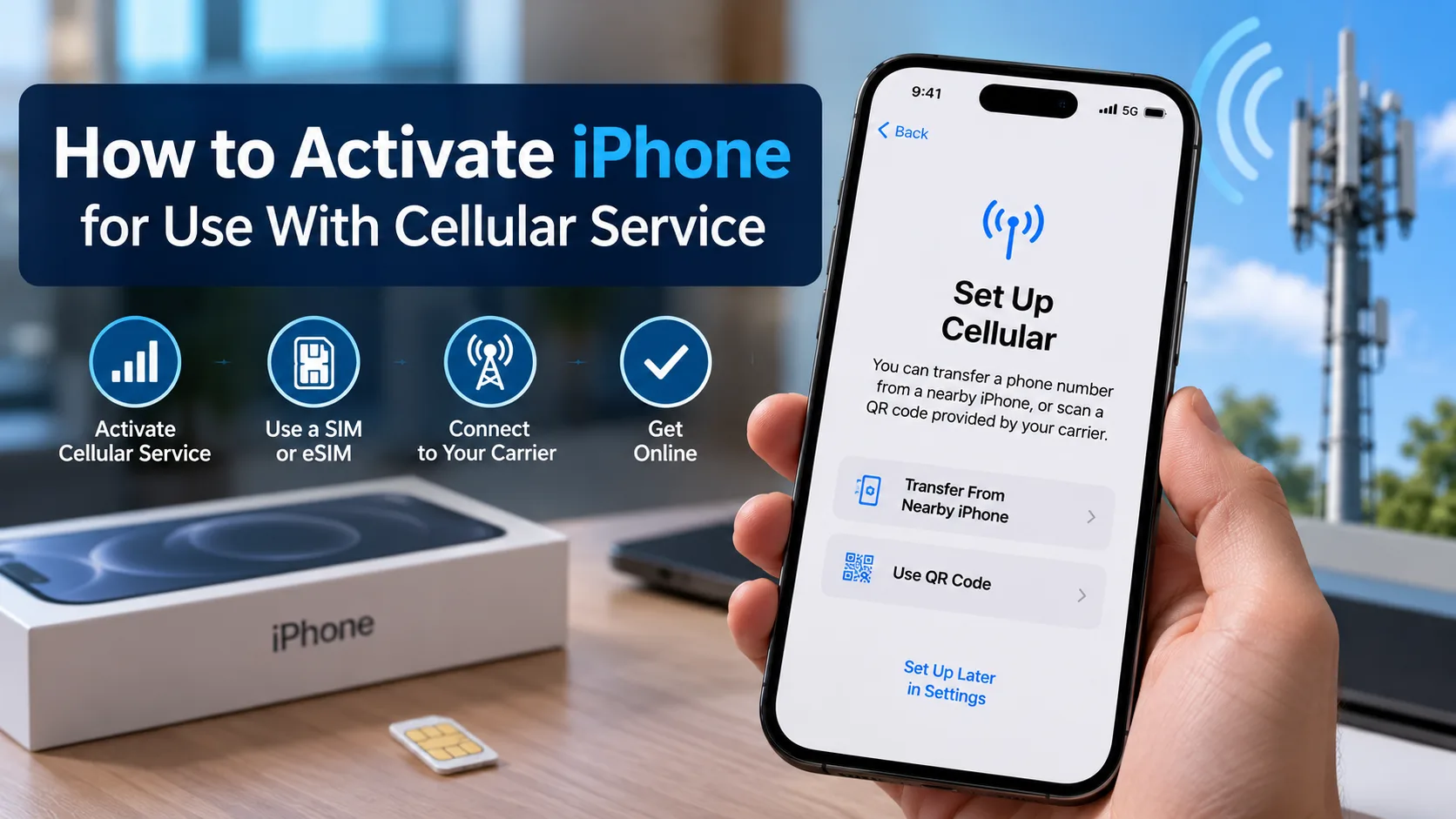
An unlocked phone is not limited to one carrier. Insert a compatible SIM card from another network, and it should activate after setup. No long lock to a single provider or plan.
This helps travelers and deal hunters. Your friend might use one carrier this month and try another next month for better coverage. One device, many options.
“Unlocking lets your phone travel light—no baggage from carriers.”
How can carriers legitimately unlock phones?
Carriers unlock devices after certain conditions are met. The process protects both customers and networks.
- They remove carrier restrictions using secure tools so the phone accepts other compatible SIM cards.
- You provide proof of ownership, like a receipt, contract, or account details.
- All bills and device payments must be settled before the request is approved.
- Customers submit a request after meeting the rules many carriers follow under FCC guidance from 2015.
- Phones reported lost, stolen, or blacklisted for fraud or debt are rejected.
- After approval, the carrier sends steps or a code, and you follow those to finish the unlock.
- This method keeps the IMEI identity accurate and supports consumer protection laws.
Carrier-approved unlocking is the safe route. It works without risking your device or your money.
📖 Also Read: Boost Infinite vs. Boost Mobile: Which One Lets You Unlock Faster?
What are the benefits of unlocking a phone?
An unlocked phone lets you switch to better coverage or better prices. Going abroad, you can use a local SIM to avoid roaming charges. That saves real money.
Flexibility also helps when selling your device. Unlocked phones sell faster because buyers can choose their own network. It is simple and practical.
Differences Between IMEI Blacklist Cleaning and Carrier Unlocking
These paths look similar on the surface, but one is lawful and the other can get you in trouble fast.
What is IMEI blacklist cleaning and why is it illegal?
IMEI blacklist cleaning is the act of removing a phone from the blacklist outside of carrier approval. Third-party services claim they can “clean” the IMEI for a fee. Most do that by changing identity records or using stolen account access.
In the U.S., this is illegal. Only the original account holder and the carrier can clear a blacklist using proof of ownership or debt payment. Illegal cleaning helps stolen devices get back on networks, which fuels more theft and scams. People who try it often lose money and may face legal trouble.
How is unlocking a legal, carrier-approved process?
Unlike IMEI cleaning, unlocking follows carrier rules and the law. The original carrier checks ownership and account status, then approves the request if you qualify. This process is backed by FCC-supported standards that carriers follow in the United States.
Unlocking changes SIM compatibility only. It never alters IMEI status, and it does not wipe theft or debt flags. Done right, it opens your device to other networks without legal risk.
How are blacklisting and unlocking unrelated?
Blacklisting and unlocking affect different parts of your phone’s access. Blacklisting blocks a device from network service if it was reported lost, stolen, or tied to debt. No SIM will work while that block is active.
Unlocking lets a clean device switch carriers after rules are met. It does not touch the blacklist. Think of it this way, blacklisting is about device status, unlocking is about carrier choice.
That is why third-party “cleaning” leads into legal trouble while carrier unlocking keeps you safe.
What Are the Legal Risks of IMEI Blacklist Cleaning?
Shady services promise results, but they can wreck your wallet and your phone. The legal risk is real and growing.
What are the dangers of using third-party IMEI cleaning services?
Most IMEI cleaning offers are fraud. These groups tamper with identity records, which is illegal. If someone says they can remove a blacklist for a fee, walk away.
Only carriers can do it legally for the real owner. Many people pay and get nothing. Worse, the phone may get flagged again later, and you could lose the device if authorities seize it during an investigation.
There is also personal risk. If a cleaned phone links back to theft or debt, you could be questioned or lose service without refund. The short cut usually becomes the long problem.
📖 Also Read: Samsung S24 Says ‘SIM Not Supported’ After a Switch? Try This
How does tampering with device identity records amount to fraud?
Changing IMEI records tricks carriers and buyers about a phone’s true status. It hides stolen property or unpaid debt. That is fraud because it relies on false data to get network access or to sell a phone.
Only the real owner can request changes with proof. Faked changes bypass checks that prevent abuse. Laws treat this like forging documents, and penalties can include charges, fines, and device seizure.
What financial or device losses can result?
People often lose hundreds of dollars to IMEI cleaning scams, then end up with a phone that still cannot use cellular service. It becomes a Wi-Fi only device, which limits value and daily use.
Trying to sell a blacklisted phone risks disputes or worse. If the phone ties back to fraud, it could be blocked again or taken as evidence. The money risk is high, and the payoff is low.
How to Legally Resolve a Blacklisted Phone Issue
You can fix many blacklist problems by working directly with your carrier. Avoid third parties and keep careful records of every call and email.
How can you contact your carrier to fix blacklist problems?
Start with the carrier’s official support number or chat on the website. Have your IMEI ready, plus your account details. Explain the issue clearly and stay calm.
Be prepared to provide proof of ownership, like a receipt, contract, or email confirmation. If debt caused the block, ask for the payoff amount and next steps. Request written confirmation after any change so you have documentation.
How can unpaid bills or proof of ownership help?
Unpaid bills are a common cause of blacklisting. Pay the balance, and the carrier can update the status once the system shows the account is clear. Ask how long the update takes, since it can be a few days.
Proof of ownership shows you are the rightful user. Bring the original receipt or a transfer document. These records help if someone filed a theft report by mistake or if a reseller gave you the wrong history.
How do you correct errors in lost or stolen phone reports?
If the report is wrong, contact the carrier right away and explain the error. Provide the IMEI, proof of purchase, and any evidence that shows the phone was never missing. Photos, emails, or tracking logs can help.
If you found a phone that was reported lost, tell the carrier and provide documents so they can review the status. Settling any linked debt can also speed the update. Quick action prevents more headaches later.
Note: This article offers general information, not legal advice. For complex cases, talk with your carrier or a qualified professional. The FCC has consumer guidance on unlocking policies and carrier responsibilities.
Conclusion
IMEI cleaning and carrier unlocking are not the same. One risks your money and your device, and the other follows clear rules for network choice. Blacklisted phones are blocked due to loss, theft, or unpaid debt, even if the hardware looks perfect.
Third-party “cleaning” often ends in more loss, plus legal risk. The legal path runs through the carrier. Provide proof, clear debts, and ask for help fixing mistakes. If you want flexibility, request carrier unlocking after you qualify. It keeps your IMEI identity intact and gives you real, lawful options for your mobile access.
FAQs
1. What is the legal difference between IMEI blacklist cleaning and carrier unlocking?
IMEI blacklist cleaning removes a phone from a blocklist, often because it was reported lost or stolen. Carrier unlocking lets your device work with other networks but does not change its status on any blocklist. Cleaning an IMEI that was blacklisted for fraud or theft can cross into illegal territory, while carrier unlocking is usually legal if you own the phone outright.
2. Can I use my phone after an IMEI blacklist clean?
If your device gets cleaned from the blacklist, it may start working again on some networks. But if the original reason for blacklisting involved crime or unpaid bills, using it could still land you in hot water with law enforcement or carriers.
3. Is carrier unlocking always allowed by law?
Carrier unlocking is generally above board when you have paid off your contract and met all obligations to your provider. Some countries require carriers to unlock devices upon request once terms are fulfilled; others leave more wiggle room for companies to say no.
4. Will both methods let me sell my old smartphone legally?
Selling a carrier-unlocked device is typically fine as long as it’s yours free and clear of debt or claims. Selling one that’s been removed from a blacklist might get tricky—especially if there’s history tied up in why it landed there in the first place—so check local laws before making any moves at the swap meet or online marketplace.