
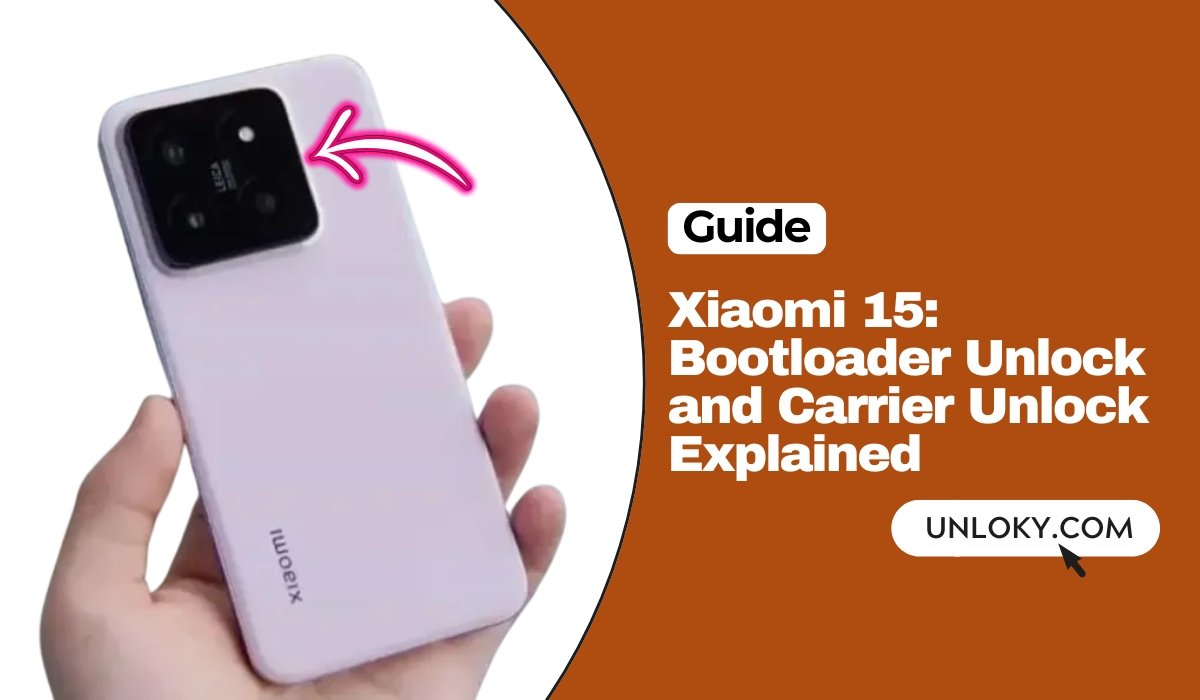
The Xiaomi 15 has quickly become one of the most talked-about smartphones of the year. With its powerful performance, sleek design, and competitive price, it’s no surprise that many users want to take things a step further and unlock their devices. But the word “unlock” can mean different things depending on who you ask.
When people talk about unlocking the Xiaomi 15, they usually mean one of two things: bootloader unlocking or carrier unlocking. While both involve removing restrictions, they are very different processes with different purposes. Bootloader unlocking allows you to customize the phone’s system software, while carrier unlocking lets you use the phone with different mobile networks.
In this guide, we’ll break down both types of unlocks, explain why you might want to do them, walk you through the steps, and make sure you understand the benefits and risks before you begin.
Key Takeaways
- Bootloader unlock and carrier unlock are completely different one lets you customize your Xiaomi 15’s software, the other gives you freedom to use any mobile network.
- Bootloader unlocking wipes your phone and may affect your warranty, so always back up your data and understand the risks before starting.
- Carrier unlocking is safe when done through your provider and can save you money by letting you switch carriers or use local SIMs when traveling.
- Following official steps reduces the chance of problems, whether you’re unlocking the bootloader for customization or unlocking the carrier for network flexibility.
Quick Answer
Unlocking a Xiaomi 15 can mean two very different things depending on your goal. A bootloader unlock lets you modify the phone’s software, such as installing custom ROMs, rooting, or using third-party recoveries.
To do this officially, you sign in with your Mi Account, enable Developer Options with OEM Unlock and USB Debugging, then use Xiaomi’s Mi Unlock Tool on a PC. Xiaomi requires a wait period (often 168 hours) before the final unlock completes, and the process wipes all your data.
A carrier unlock, on the other hand, removes the SIM lock so you can use your Xiaomi 15 with other networks. The official way is to contact your carrier, meet their eligibility rules (like paying off the device), get approval, and either receive an unlock code or have the unlock applied remotely.
Both methods give you more freedom bootloader unlock for software customization, and carrier unlock for network flexibility but it’s safest to follow the official steps to avoid bricking your device or running into legal or warranty issues.
Understanding the Two Types of Unlocks
What is a Bootloader Unlock?
The bootloader is a small program that loads your phone’s operating system when you turn it on. Think of it as the “gatekeeper” between your phone’s hardware and its software. By default, Xiaomi ships the Xiaomi 15 with a locked bootloader to protect the system from unauthorized changes.
When you unlock the bootloader, you remove that restriction. This gives you the freedom to install custom ROMs, root your device, and make deep-level changes to the system. However, with this freedom comes responsibility — unlocking the bootloader can also open the door to security risks if you’re not careful.
What is a Carrier Unlock?
A carrier unlock, sometimes called a SIM unlock or network unlock, is completely different. This has nothing to do with your phone’s software customization. Instead, it’s about network freedom.
When you buy a Xiaomi 15 through a mobile carrier, it might be “locked” to that carrier. This means you can only use it with their SIM cards and network. Carriers do this to make sure you stick with them for a certain period, especially if they gave you a discount on the phone.
A carrier-unlocked phone can use SIM cards from different carriers around the world. This is especially useful if you travel frequently or plan to switch networks without buying a new phone.
Bootloader vs. Carrier Unlock – Key Differences
| Feature | Bootloader Unlock | Carrier Unlock |
|---|---|---|
| Purpose | Allows system-level customization and rooting | Lets you use other carriers’ SIM cards |
| Risks | Possible security issues, warranty impact | Few risks if done officially |
| Warranty Impact | May void warranty in some regions | Usually no effect if official |
| When Needed | Installing custom ROMs, rooting | Switching carriers, traveling abroad |
You might want a bootloader unlock if you enjoy customizing your phone’s software. You’d want a carrier unlock if you want flexibility with your mobile service. Some users choose to do both for maximum freedom.
📖 Also Read: Unlock Google Pixel 9 with any Network How to & Use it?
Bootloader Unlock on Xiaomi 15
Benefits of Unlocking the Bootloader
Unlocking the bootloader opens up a world of customization. You can install custom ROMs that change the look, feel, and features of your Xiaomi 15. You can also gain root access, which lets you modify parts of the system normally off-limits.
It also allows you to install custom recovery tools like TWRP, which make it easier to back up your system or install new software. Plus, you can remove unwanted apps (bloatware) that can’t be deleted on a locked phone.
Risks and Considerations
While the benefits are appealing, there are real risks. Unlocking the bootloader might void your warranty, depending on your region’s laws and Xiaomi’s policies. It also makes your phone more vulnerable to malware if you install untrusted software.
Another important note: when you unlock the bootloader, your phone’s data will be wiped. You’ll also need to be careful with software updates — some custom ROMs don’t work well with official over-the-air (OTA) updates.
How to Prepare Before Unlocking the Bootloader
Before you start, it’s critical to back up everything. Unlocking will erase all data on your Xiaomi 15, including photos, apps, and settings. Charge your phone to at least 70% to avoid it shutting down mid-process.
On your PC, install Xiaomi USB drivers to ensure your device is recognized. On your phone, enable Developer Options by going to Settings → About Phone → tap MIUI Version several times. Then enable OEM Unlock and USB Debugging.
Step-by-Step: Unlock Xiaomi 15 Bootloader
- Sign in with your Mi Account on your Xiaomi 15.
- In Developer Options, enable OEM Unlock and USB Debugging.
- On your computer, download and install the Mi Unlock Tool from Xiaomi’s official site.
- Open the tool and log in with the same Mi Account.
- Apply for unlock permission (this verifies your account).
- Power off your phone, then boot into fastboot mode by holding Power + Volume Down.
- Connect your Xiaomi 15 to your PC via USB.
- Use the Mi Unlock Tool to start the process.
- Wait for Xiaomi’s mandatory delay (often 168 hours).
- After the wait, repeat the process to complete the unlock.
Common Bootloader Unlock Errors and Fixes
- “Couldn’t unlock, try after X hours” – This is Xiaomi’s delay policy. Wait the required time.
- Mi Account not bound – Make sure your Mi Account is properly linked in Developer Options.
- Driver not detected – Reinstall Xiaomi’s fastboot drivers or try a different USB cable.
Carrier Unlock on Xiaomi 15
Why You Might Need a Carrier Unlock
If your Xiaomi 15 is locked to one network, a carrier unlock gives you more flexibility. You can switch to another carrier to get better rates, or use a local SIM card when traveling to avoid expensive roaming fees. It can also make your phone more attractive if you plan to sell it.
How to Check if Your Xiaomi 15 is Carrier Locked
Go to Settings → About Phone → Status and look for network lock details. Another quick test is inserting a SIM card from a different carrier. If you see a “SIM not supported” or “Network locked” message, your phone is locked. You can also check your IMEI online using trusted databases.
Official Carrier Unlock Methods
Most carriers will unlock your phone if you meet their requirements. This usually means your account is in good standing, the phone is paid off, and you’ve been a customer for a certain period.
Contact your carrier’s support team, request an unlock, and follow their instructions. They may send you an unlock code or push the unlock remotely.
Alternative Carrier Unlock Options
If your carrier refuses, you can use third-party unlocking services. These can work, but you should be careful — some are scams. Always research a service before paying. Remember that unofficial unlocks might void warranties or violate terms of service.
Step-by-Step: Carrier Unlock Process
- Find your IMEI by dialing *#06#.
- Contact your carrier and submit an unlock request.
- Wait for approval — this can take minutes to days.
- Insert a SIM card from another carrier.
- If prompted, enter the unlock code provided.
- Restart your phone and confirm network access.
Troubleshooting Carrier Unlock Issues
- SIM not supported – The unlock may not have been processed; contact your carrier.
- No service after unlock – Check your APN settings and update them for your new carrier.
- Data not working – Manually configure mobile data and MMS settings.
📖 Also Read: How to Unlock a Verizon iPhone for Free
What Happens After Unlocking?
After Bootloader Unlock
Once the bootloader is unlocked, you can restore your data from backup. If you plan to install custom ROMs, use reputable sources to avoid malware. For added security, use tools like Magisk Hide or SafetyNet to keep apps functioning normally.
After Carrier Unlock
After carrier unlocking, test your Xiaomi 15 with SIM cards from different carriers. Configure APN settings so mobile data and MMS work properly. Keep proof of your unlock in case you need to show it to a carrier in the future.
Myths and Misconceptions
One common myth is that unlocking the bootloader also unlocks your carrier restrictions it doesn’t. These are separate processes. Another myth is that unlocking always voids your warranty; in many regions, that’s not true, especially for carrier unlocks done officially.
Some people fear that unlocking will “brick” their phone. While mistakes can cause problems, simply following the proper steps makes the process safe.
Safety, Legal, and Warranty Considerations
Xiaomi allows bootloader unlocking but warns users about the risks. In the U.S., carriers are legally required to unlock phones for eligible customers. In the EU and parts of Asia, similar laws protect consumers.
Always check the rules in your region before unlocking, and keep documentation for warranty or resale purposes.
📖 Also Read: How To Unlock SIM Card Without PUK Code for Free
FAQs – Xiaomi 15 Bootloader & Carrier Unlock
Can I bootloader unlock without a PC?
No. At the moment, Xiaomi’s official bootloader unlock process requires a Windows PC with the Mi Unlock Tool installed. There’s no supported way to unlock directly from the phone.
Will bootloader unlocking wipe my Xiaomi 15?
Yes. Unlocking the bootloader erases all your data, including apps, photos, and settings. Always back up your important files before starting.
Can I re-lock the bootloader after unlocking?
Yes. You can re-lock the bootloader if you want to return to Xiaomi’s official firmware and security setup. Keep in mind, re-locking with non-official software installed can cause boot issues.
How long does Xiaomi’s unlock wait time last?
Xiaomi usually imposes a waiting period of up to 168 hours (7 days) after you first request the unlock. You’ll need to wait this out before the tool will complete the process.
Will my phone still get MIUI updates after unlocking?
Yes, but updates might not install automatically if you use custom ROMs. If you stay on official MIUI software, you should still get updates as usual.
How can I tell if my phone is fully carrier unlocked?
The easiest way is to insert a SIM card from another carrier. If it connects to the network without showing a “SIM not supported” message, it’s unlocked. You can also confirm with your carrier or check your IMEI status online.
The Bottom Line
The Xiaomi 15 is a powerful phone right out of the box, but unlocking its bootloader or carrier restrictions can take it to another level. Bootloader unlocking opens the door to deep customization, while carrier unlocking gives you the freedom to choose your network.
Both processes have benefits and risks, and they serve very different purposes. If you follow the correct steps and understand the implications, you can enjoy a more flexible and personalized smartphone experience.