
In today’s hyper-connected world, smartphones are not just gadgets—they’re essential tools for work, communication, entertainment, and everything in between. But what happens if your phone is locked to a specific network and you want to switch carriers or use it overseas? That’s where IMEI unlocking comes in.
This comprehensive guide will explain what an IMEI unlock is, how it works, the benefits and risks, and how to do it safely and legally. By the end, you’ll have all the information you need to decide if IMEI unlocking is right for you.
Quick Answer
An IMEI unlock removes a carrier’s restrictions on your smartphone, allowing you to use it with any compatible network worldwide. It works by updating the carrier’s database to mark your phone as “unlocked.” Unlike software or hardware hacks, it’s permanent, safe, and typically preserves your warranty. This makes IMEI unlocking the best choice for flexibility and freedom with your device.
What is an IMEI?
Before we dive into unlocking, let’s start with the basics. Every mobile phone has a unique identifier called the IMEI (International Mobile Equipment Identity) number. This 15-digit code acts like your phone’s fingerprint, distinguishing it from every other device in the world.
You can usually find your IMEI number by dialing *#06# on your phone’s keypad. Alternatively, it’s often listed in your phone’s settings or printed on the original packaging.
Don’t Miss It: How to Unlock iPhone 13 Pro Max Without Passcode or Computer
What Does “IMEI Unlock” Mean?
An IMEI unlock removes the carrier restrictions that tie your phone to a specific network. Many phones, especially those bought under contract, come network-locked—meaning they can only be used with the carrier they were sold by.
When you perform an IMEI unlock, you’re telling the phone’s software to recognize any compatible SIM card, regardless of the carrier. Essentially, it’s like removing invisible chains that keep your phone locked to a single network.
How IMEI Unlocking Works
IMEI unlocking works by changing the phone’s status in the carrier’s database. Here’s a step-by-step look at the process:
- Verification of IMEI
Your IMEI is checked to see if it’s eligible for unlocking. Carriers often have policies around when they’ll unlock a device (e.g., after you’ve paid off your contract). - Carrier’s Database Update
If your IMEI is eligible, the carrier updates its database to mark your phone as “unlocked.” - Phone Accepts Any SIM Card
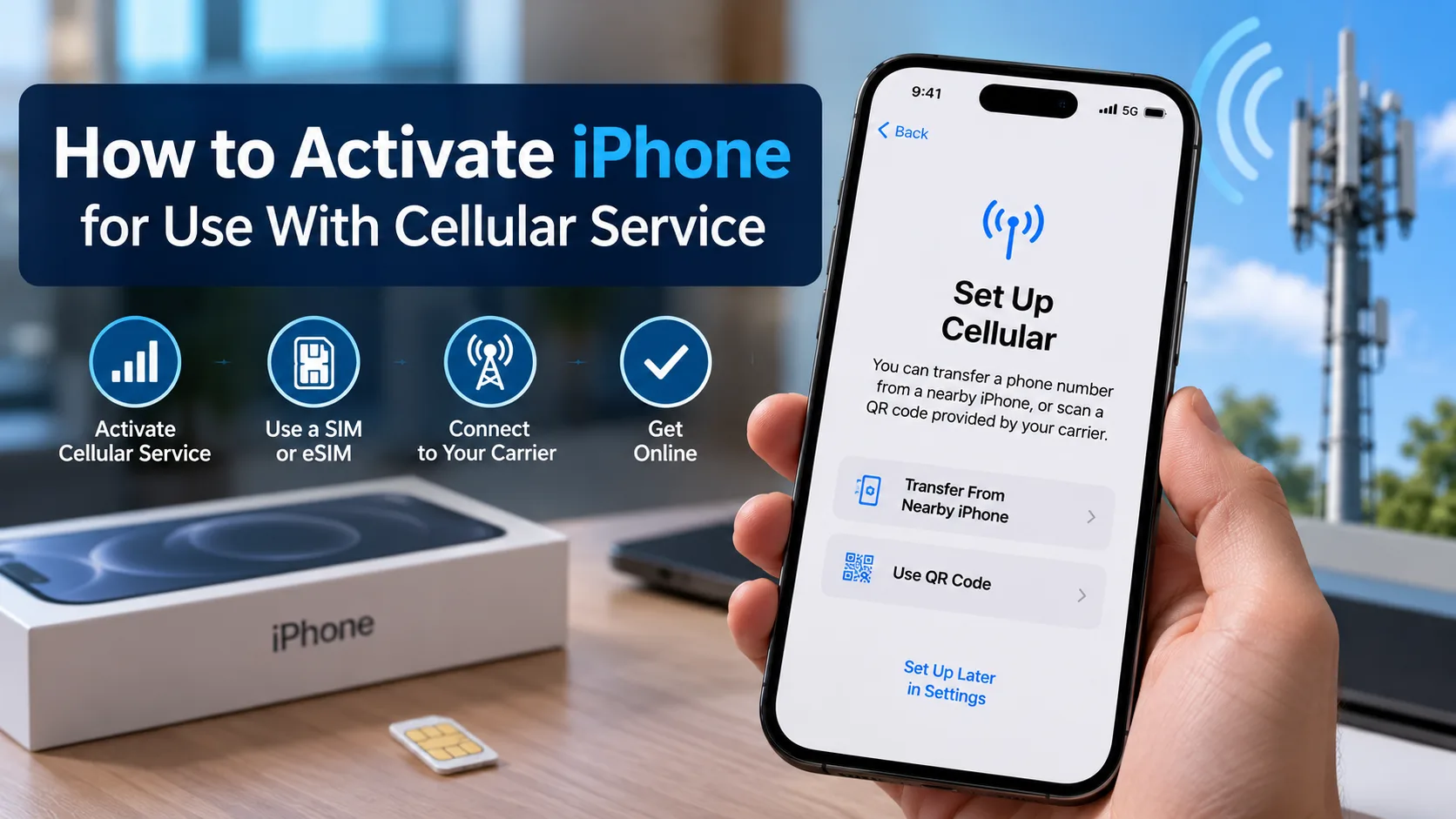
Once the IMEI unlock is complete, your phone will accept SIM cards from any compatible carrier.
Different Types of Unlocking: IMEI vs. Other Methods
It’s worth noting that IMEI unlocking is different from other unlocking methods:
✅ IMEI Unlocking (Factory Unlock)
This is the safest and most permanent method. It updates the carrier’s database to mark your phone as unlocked, so your device will stay unlocked even after software updates.
✅ Software Unlock
This involves modifying the phone’s software to remove restrictions. It’s risky, can void warranties, and may not work with all updates.
✅ Hardware Unlock
This physically modifies the phone’s hardware to accept other SIM cards. It’s invasive, usually voids warranties, and can damage your phone.
For most people, IMEI unlocking is the recommended choice because it’s permanent, safe, and doesn’t require any risky modifications.
Don’t Miss It: How to Unlock Your iPhone with Apple Watch for Free
Benefits of IMEI Unlocking
Why would you want to IMEI unlock your phone? Here are the top benefits:
1. Freedom to Switch Carriers
No more being tied to a single provider. You can switch to another carrier for better rates, better coverage, or better customer service.
2. Save Money on Roaming Fees
Traveling abroad? An unlocked phone lets you use local SIM cards, avoiding expensive international roaming charges.
3. Increase Your Phone’s Resale Value
Unlocked phones are more attractive to buyers because they can be used with any network. If you ever decide to sell your phone, an unlocked device will fetch a higher price.
4. Flexibility for Dual SIM Users
If your phone has dual SIM capabilities, unlocking allows you to use two different carriers at the same time—perfect for balancing work and personal life or for traveling.
Risks and Considerations of IMEI Unlocking
While IMEI unlocking is generally safe, there are some important considerations:
1. Warranty and Legal Issues
In most countries, unlocking your phone through the carrier or a trusted third-party service is legal. However, unauthorized unlocking methods (like software or hardware unlocks) can void your warranty and may be illegal in some places.
2. Potential Scams
There are many shady websites and services promising “free” or “instant” unlocks. Be wary! Using an untrustworthy service can result in wasted money, malware, or worse.
3. Network Compatibility
Even if your phone is unlocked, it might not work perfectly with every network. Check whether your device supports the carrier’s bands and frequencies.
Don’t Miss It: How to Enable OEM Unlock on Samsung Devices
How to Perform an IMEI Unlock
Ready to unlock your phone? Here’s a step-by-step guide:
Step 1: Check If Your Phone is Already Unlocked
Before doing anything, check if your phone is already unlocked:
- iPhone: Go to Settings > General > About and look for “Carrier Lock.” If it says “No SIM restrictions,” your phone is already unlocked.
- Android: Insert a SIM card from another carrier and see if you get a signal.
Step 2: Gather Your IMEI Number
Dial *#06# to display your IMEI number or find it in your phone’s settings.
Step 3: Contact Your Carrier
Most carriers will unlock your phone for free if you meet certain criteria (like having paid off your contract). Call your carrier’s customer service or visit their website to request an unlock.
Step 4: Use a Trusted Third-Party Service (If Needed)
If your carrier won’t unlock your phone (or you’re no longer with that carrier), reputable third-party services can help. Look for services with strong reviews and transparent policies.
Step 5: Insert a New SIM Card and Test
Once your unlock request is processed, insert a SIM card from a different carrier and restart your phone. You should see the new carrier’s signal and be able to make calls.
FAQs About IMEI Unlocking
1. Is IMEI unlocking legal?
In most countries, IMEI unlocking is perfectly legal, especially if you’ve paid off your phone or own it outright. However, always check local laws and ensure you’re using a legitimate unlocking service.
2. How long does it take to IMEI unlock a phone?
This depends on your carrier and phone. It can take anywhere from a few hours to a few days. Third-party services may offer faster turnaround times.
3. Will unlocking my phone affect performance?
No—IMEI unlocking simply allows your phone to accept other SIM cards. It doesn’t change your phone’s hardware or performance.
4. Can I still get software updates after unlocking?
Yes! Unlike software or hardware unlocks, IMEI unlocking doesn’t interfere with updates from the phone manufacturer.
Best Practices and Tips for IMEI Unlocking
To ensure a safe and successful unlock:
Use Official Channels
Start with your carrier—they usually offer free or low-cost unlocking for eligible devices.
Avoid “Too Good to Be True” Offers
Beware of suspiciously cheap unlock services or those that ask for sensitive information beyond your IMEI.
Understand Your Carrier’s Policy
Every carrier has different rules about when and how they unlock phones. Check their website or call customer service to clarify.
Double-Check Compatibility
Even unlocked, your phone may not work fully with every carrier (e.g., 5G, VoLTE support). Check band compatibility before switching.
Final Thoughts: Is IMEI Unlocking Right for You?
IMEI unlocking is a powerful way to liberate your phone and gain the freedom to choose your carrier. For most users, it’s a safe, legal, and permanent solution—especially compared to software or hardware unlocking.
Whether you’re traveling abroad, looking to switch to a better network, or just want to future-proof your phone, an IMEI unlock can be a game-changer.
Key Takeaways
✅ IMEI unlocking removes carrier restrictions, letting you use any compatible SIM card.
✅ It’s legal in most countries and doesn’t harm your phone.
✅ It increases flexibility, saves money, and can boost your phone’s resale value.
✅ Always use reputable services and avoid suspicious unlock methods.