

Ever picked up your phone, only to realize you can’t remember the password? It’s frustrating. We store so much in our phones—photos, messages, apps, and even important work files. But what if you’re locked out? Don’t worry. You’re not the first, and you won’t be the last. Let’s explore practical ways to unlock your phone when you forget the password.
Can You Unlock a Phone Without a Password?
Yes, you can! But the method depends on your phone’s brand, model, and security settings. Some phones allow biometric unlocks (fingerprint, face recognition), while others require a full reset. Below, we’ll go through every possible method.
Why Do We Keep Forgetting Our Passwords?
Before diving into solutions, it’s worth understanding why we forget our passwords in the first place. According to research from the University of Illinois, the average person has to remember dozens of different passwords, leading to what psychologists call “password fatigue.”
Common reasons for forgetting your phone password include:
- Recently changing to a new password or pattern
- Using multiple devices with different unlock methods
- Entering a rarely-used backup password
- Setting up a complex password for security reasons
- Simply having too many passwords to remember across various services
Whatever the reason, the good news is that phone manufacturers understand this common problem and have built in various recovery options.
The Difference Between Locked and Forgotten
It’s important to distinguish between different types of “locked” situations:
- Forgotten password/PIN/pattern – You own the phone but can’t remember the unlock code
- Too many failed attempts – Some devices temporarily lock after multiple wrong entries
- Factory Reset Protection (FRP) lock – Security feature that prevents reset without verification
- Carrier lock – Restricts the phone to a specific network (unrelated to screen lock)
This guide focuses primarily on the first scenario—when you own the phone but have forgotten the unlock method. If your phone is showing “too many attempts” or a timed lockout, often waiting for the specified period will allow you to try again.
Android Solutions: Unlocking When You Forgot the Password
Android phones offer several methods to regain access when locked out. The approach varies depending on your device manufacturer and Android version.
Method 1: Use Smart Lock Features (If Previously Set Up)
If you previously configured Smart Lock features on your Android device, these can help you bypass the forgotten password:
Step 1: Trusted Places – Your phone unlocks automatically in certain locations like home
Step 2: Trusted Devices – Connects to previously paired Bluetooth devices to unlock
Step 3: On-Body Detection – Keeps device unlocked while carried
Step 4: Voice Match – Unlocks via “Hey Google” commands (on supported devices)
Step 5: Facial Recognition – Unlocks via face scan (on supported devices)
If any of these are enabled, try to trigger them first before attempting more drastic measures.
Method 2: Android’s Built-in “Forgot Pattern” Option
Many Android versions include a built-in recovery option:
Step 1: After several incorrect attempts, look for a “Forgot pattern” or “Forgot PIN” option
Step 2: Tap this option when it appears
Step 3: You’ll be prompted to enter the Google account credentials associated with the device
Step 4: Follow the prompts to reset your password
This method works best on older Android versions (prior to Android 9). Newer versions may direct you to different recovery options.
Method 3: Google’s Find My Device Service
Google’s Find My Device service offers a way to reset your password remotely:
Important Note: This method requires that your phone is turned on, connected to the internet, and has Find My Device enabled. It also works best if you’ve previously set up and linked your Google account on the device.
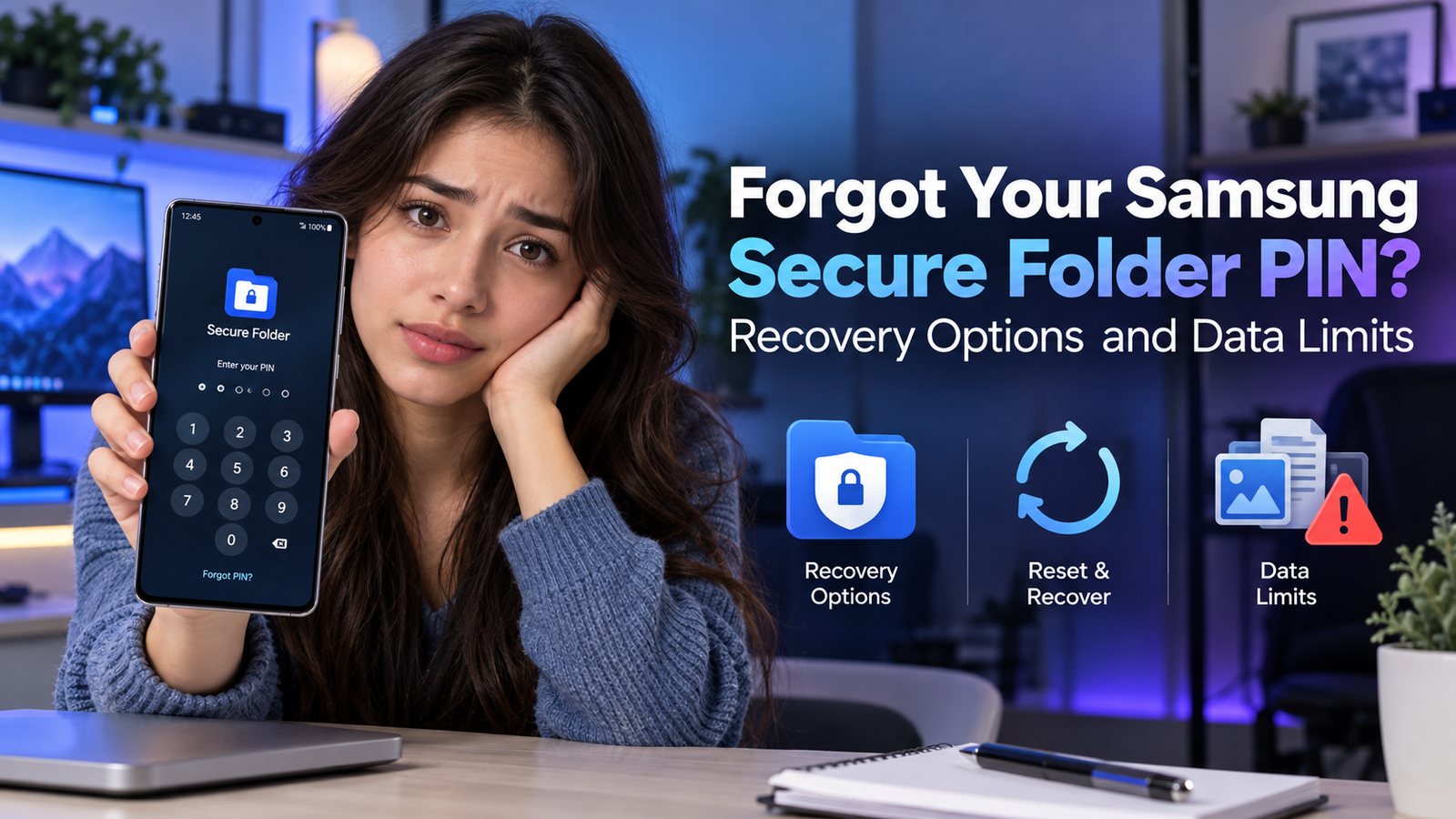
Method 4: Samsung Find My Mobile (Samsung Devices Only)
Samsung users have an additional option through Samsung’s own service:
Step 1: On another device, visit Samsung Find My Mobile
Step 2: Log in with your Samsung account (must be the same one on the locked phone)
Step 3: Select your device from the list
Step 4: Choose “Unlock” from the available options
Step 5: Confirm the action
This method works only if you previously set up a Samsung account on your device and enabled the Find My Mobile service.
Method 5: Factory Reset (Last Resort)
If all other methods fail, a factory reset will remove the password—along with all data on the device:
For most Android devices:
Step 1: Power off the device completely
Step 2: Press and hold the correct button combination to enter Recovery Mode (typically Volume Up + Power, but this varies by manufacturer)
Step 3: Use volume buttons to navigate to “Wipe data/factory reset” option
Step 4: Press the Power button to select
Step 5: Confirm the reset when prompted
Different Android phone models have different key combinations to access Recovery Mode:
| Phone Brand | Typical Recovery Mode Combination |
| Samsung | Volume Up + Power + Home (or Bixby) |
| Google Pixel | Volume Down + Power |
| OnePlus | Volume Down + Power |
| LG | Volume Down + Power |
| Motorola | Volume Down + Power |
Warning: Factory reset erases all data on your device. Only use this method if you have backups or are willing to lose all data on the phone.
iPhone Solutions: When You Can’t Remember Your Passcode
Apple’s security is notoriously robust, but they do provide several options when you’ve forgotten your passcode.
Method 1: Face ID or Touch ID (If Configured)
If you’ve set up Face ID or Touch ID, try using these biometric methods first. Even with these methods enabled, your device will still occasionally ask for your passcode, especially after restarts.
Method 2: iTunes/Finder Recovery Mode
Apple offers an official method to restore a device when you’ve forgotten the passcode:
Step 1: Connect your iPhone to a computer you’ve previously synced with
Step 2: Open iTunes (on Windows or macOS Mojave and earlier) or Finder (on macOS Catalina and later)
Step 3: Put your iPhone into Recovery Mode:
- For iPhone 8 or later: Press and quickly release Volume Up, press and quickly release Volume Down, then press and hold Side button
- For iPhone 7: Press and hold Side and Volume Down buttons together
- For iPhone 6s or earlier: Press and hold Home and Side (or Top) buttons together
Step 4: When prompted, choose “Restore” (not “Update”)
Step 5: Follow the on-screen instructions
According to Apple Support, this method will erase your device and its passcode, allowing you to set it up as new or restore from backup.
Method 3: iCloud Find My iPhone
Similar to Android’s Find My Device, Apple offers a remote erase option:
Step 1: On another device, visit iCloud.com/find
Step 2: Sign in with your Apple ID
Step 3: Click “All Devices” and select the locked iPhone
Step 4: Click “Erase iPhone”
Step 5: Confirm the action
After the device is erased, you can restore it from a backup or set it up as new.
Method 4: Automatic Erase (If Configured)
If you previously enabled the “Erase Data” feature in your iPhone’s security settings, the device will automatically erase all content and settings after 10 failed passcode attempts. While this doesn’t help you remember the password, it does give you a clean start.
Unlocking Without Data Loss: Is It Possible?
A common question is whether you can unlock a phone without losing data. The honest answer is: it depends on the phone, the security measures in place, and whether you’ve set up the right precautions beforehand.
For Android Devices:
- Using Smart Lock features: No data loss
- Google account recovery: No data loss
- Find My Device: No data loss
- Third-party recovery software: Varies (some claim to work without data loss)
- Factory reset: Complete data loss
For iPhones:
- Using biometrics: No data loss
- Recovery through iTunes/Finder with a previous sync: Potential data loss depends on backup status
- iCloud erase: Complete data loss, but can restore from iCloud backup
- Recovery mode: Complete data loss
Prevention: Never Get Locked Out Again
The best way to handle a forgotten password is to prevent it from happening in the first place. Here are some strategies:
Create Memorable but Secure Passwords
- Use a pattern or PIN that follows a logic meaningful to you
- Consider a numeric passcode based on a memorable date or number sequence
- For complex passwords, create a mnemonic device to remember it
Set Up Recovery Options in Advance
For Android:
- Ensure your Google account is linked to your phone
- Enable Find My Device
- Set up Smart Lock features
- For Samsung devices, configure Samsung account and Find My Mobile
For iPhone:
- Keep your Apple ID recovery information up to date
- Enable Face ID or Touch ID
- Regularly sync with iTunes/Finder
- Enable iCloud backups
Use a Password Manager
While it won’t help with your lock screen directly, using a password manager for your other accounts can reduce “password fatigue” and help you focus on remembering just your phone’s password.
Special Circumstances: Work Phones and Children’s Devices
Unlocking an Employer-Provided Phone
If you’ve forgotten the password to a work phone:
- Contact your IT department first
- Don’t attempt to bypass security measures on your own
- Be prepared to verify your identity
Attempting to circumvent security on a work device could violate company policy and potentially even legal regulations depending on your industry.
Helping Children Who Forgot Their Password
For a child’s device you manage:
- If you set up Family Link on Android, you can reset the password from your parent account
- For iPhones with Screen Time enabled, you can use the Screen Time passcode to reset
- Consider setting simpler passwords for younger children
- Keep a secure record of children’s passwords
The Legal Side of Unlocking Phones
It’s important to address the legal and ethical considerations around bypassing phone passwords:
- It’s legal to bypass security on a device you own
- It’s illegal to attempt to unlock someone else’s device without permission
- Some methods may void warranties or violate terms of service
According to the Electronic Frontier Foundation, while you generally have the right to access your own devices, circumventing security measures on devices you don’t own could violate the Computer Fraud and Abuse Act in the US and similar laws in other countries.
When to Seek Professional Help
If you’ve tried all applicable methods and still can’t access your device, professional data recovery services might be an option:
- Phone manufacturer’s official support
- Carrier store technical support
- Third-party data recovery specialists
Be wary of services that promise to unlock any phone instantly, as these may be scams or use methods that cause data loss or security vulnerabilities.
Questions to Ask Professional Services
Before hiring a professional service:
- Do they have experience with your specific phone model?
- Will their methods cause data loss?
- What authentication will they require to prove you own the device?
- Do they offer any guarantee?
- What are the total costs involved?
Don’t Miss It:
- How to Unlock an Old Phone for a New SIM Card: Complete Guide
- Unlocking Prepaid Phones: What You Need to Know
- Unlocking Phones with Software [Is It Safe?]
Common Myths About Phone Unlocking
Let’s debunk some common misconceptions:
Myth 1: There’s a Universal Backdoor Code
Reality: There is no universal code that unlocks all phones. While some very old phones had master codes, modern smartphones have eliminated these security vulnerabilities.
Myth 2: Rice Can Fix a Water-Damaged Phone That Won’t Turn On
Reality: While rice might help with minor moisture, it won’t help you bypass a forgotten password or fix a severely water-damaged device that won’t power on.
Myth 3: The FBI Can’t Unlock iPhones
Reality: While iPhones are highly secure, various agencies have developed methods to access locked iPhones in specific circumstances. However, these methods aren’t available to the general public.
Myth 4: All Third-Party Unlocking Software Works
Reality: Many third-party unlocking tools make promises they can’t keep. Be extremely cautious with software claiming to unlock any phone instantly without data loss.
Conclusion: Stay Calm and Follow the Steps
Finding yourself locked out of your phone can be stressful, but panic only makes it harder to remember your password. Take a deep breath, systematically try the methods outlined above that apply to your device, and remember that even in the worst-case scenario of needing a factory reset, cloud backups often mean your most important data isn’t lost forever.
The key points to remember are:
- Try built-in recovery options first
- Use manufacturer services like Find My Device or Find My iPhone
- Consider if you’ve set up any Smart Lock or biometric alternatives
- Factory reset should be your last resort
- Once you regain access, immediately set up proper backup and recovery options
Has this situation taught us anything? Perhaps it’s that in our digital lives, preparation is key. Setting up recovery options before you need them and maintaining regular backups can turn what would be a disaster into a minor inconvenience.
What password will you choose next time? And more importantly, what system will you use to make sure you never forget it again?