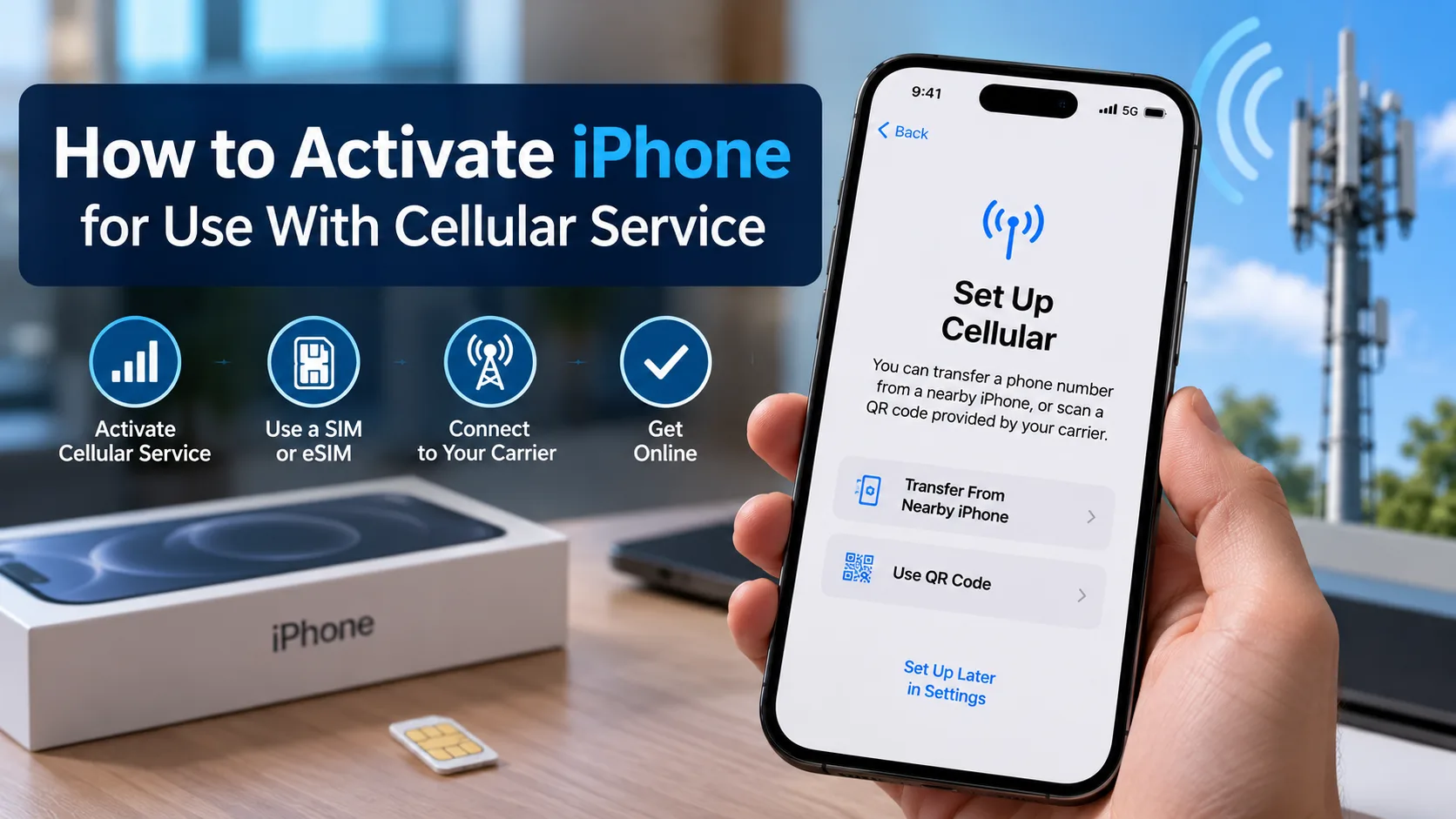


Unlocking a phone allows it to work with different carriers, giving users more freedom to switch networks. Many people unlock their devices to save money, travel internationally, or use local SIM cards without restrictions. However, even after a successful carrier unlock, some users still face SIM-related issues.
It can be frustrating to see errors like “Invalid SIM” or “Network Locked” even after your carrier confirms the unlock. In some cases, the phone may not recognize the new SIM, or the signal may not work properly. These issues can make it seem like the unlock didn’t go through, even when it did.
If you’re struggling with SIM unlock problems, don’t worry. There are several reasons this can happen, and most of them have simple solutions. This guide will help you understand why your phone is still locked and how to fix it quickly.
Quick Answer: If your phone still shows “Invalid SIM” or “No Service” after unlocking, try restarting the device, updating carrier settings, and resetting network settings. If the issue persists, check your IMEI status and ensure the new carrier’s SIM is compatible with your phone’s network bands.
Common SIM Unlock Issues After Carrier Unlocking
Even after your carrier confirms the unlock, your phone may still show errors or fail to connect to a new network. Below are the most common issues users face after unlocking their phones.
1. “Invalid SIM” or “SIM Not Supported” Error
This message appears when your phone doesn’t recognize the new SIM card. It could mean the unlock wasn’t fully processed, or the SIM card isn’t compatible with your device.
2. “Network Locked” Message Still Appears
If you still see this message, your phone may not be fully unlocked. Some carriers require additional steps, like updating carrier settings or restarting the device, for the unlock to take effect.
3. No Signal or No Service After Unlocking
Sometimes, a phone accepts the SIM but shows no signal. This may be due to incorrect network settings, outdated software, or an incompatible carrier network.
4. IMEI Not Recognized or Blacklisted
If your phone’s IMEI is blacklisted due to theft, unpaid bills, or carrier restrictions, it won’t work on most networks—even if it’s unlocked. You’ll need to check your IMEI status and contact the carrier for assistance.
5. Phone Still Asking for an Unlock Code
Some phones require an unlock code even after a carrier unlock. If the code isn’t working, it could be due to a wrong entry, a network delay, or a third-party unlock that wasn’t done correctly.
6. Carrier Confirmed Unlock, but SIM Still Doesn’t Work
If the carrier says your phone is unlocked but it still doesn’t accept a new SIM, there might be a technical issue. Restarting, updating network settings, or resetting the device can help resolve this problem.
Reasons Behind SIM Unlock Issues
Even if your phone has been officially unlocked, several factors can still prevent the SIM from working correctly. Here are some common reasons why you might be facing SIM unlock issues:
1. Delayed Carrier Unlock Processing
Some carriers take time to update their database after unlocking a phone. It may take a few hours or even a couple of days for the unlock to be fully processed. Restarting your phone and reinserting the SIM can help refresh the network connection.
2. Software Glitches or Outdated OS
A phone with outdated software might struggle to recognize the unlock. Network settings updates are often included in system updates, so if you haven’t updated your OS in a while, your phone may not apply the unlock properly.
3. Wrong SIM Card Type or Incompatible Network
Not all SIM cards work with every phone. Some devices are designed for specific networks (GSM or CDMA), and switching to an incompatible carrier may result in network errors. Always check if your phone supports the new carrier’s network.
4. Incorrect Unlocking Method Used
There are different ways to unlock a phone, such as IMEI-based carrier unlocks and third-party software unlocks. If the unlocking method wasn’t done correctly or is incompatible with your phone, you may still experience issues.
5. Network Restrictions or Region Locks
Some phones are region-locked and can only be used in specific countries. Even if a carrier unlocks your device, it may not work with networks outside the designated region unless additional steps are taken to remove these restrictions.
6. Blacklist or Fraud Alerts on the IMEI
If your phone is blacklisted due to being reported stolen, having unpaid bills, or being flagged for fraud, it won’t work on most networks—even if unlocked. Checking your IMEI status can help you determine if this is the cause of your issue.
How to Fix SIM Unlock Problems
If your phone is still showing SIM errors after unlocking, don’t worry. There are several steps you can take to troubleshoot and fix the issue. Follow these steps in order to resolve the problem.
Step 1: Restart and Reinsert SIM
A simple restart can refresh your phone’s network settings. Turn off your phone, remove the SIM card, wait a few seconds, then reinsert it and turn the device back on.
Step 2: Check Unlock Status Online
Even if your carrier confirmed the unlock, you should verify it yourself. Many carriers offer online IMEI checkers to confirm the unlock status. If your phone is still locked, contact your carrier for clarification.
Step 3: Update Carrier and Software Settings
Go to your phone’s settings and check for any available carrier settings updates or software updates. An outdated system may prevent the unlock from applying correctly.
Step 4: Manually Enter APN Settings
If your phone is unlocked but not connecting to mobile data, the Access Point Name (APN) settings might need to be updated. You can find the correct APN settings on your new carrier’s website and enter them manually in your phone’s settings.
Step 5: Try a Different SIM Card
Insert a different SIM from another carrier to see if the issue is with the SIM card itself. If another SIM works, the problem is likely with your specific carrier or SIM rather than the unlock process.
Step 6: Reset Network Settings
Resetting network settings can fix connection issues caused by incorrect configurations. On most phones, go to Settings → General → Reset → Reset Network Settings to clear saved network configurations and refresh your connection.
Step 7: Contact the Carrier Again
If none of the steps above work, reach out to your carrier’s customer support. Ask them to verify the unlock status and confirm that the unlock request has been fully processed on their end.
Step 8: Check for IMEI Issues
If your phone still isn’t working with a new SIM, check the IMEI status using an online IMEI checker. If the IMEI is blacklisted due to unpaid bills or fraud alerts, the phone may remain unusable on most networks. Contact the previous carrier for assistance if this is the case.
Don’t Miss It:
- Unlocking Phones with Software: Is It Safe?
- Common Issues When Unlocking iPhones and Fixes
- Can’t Unlock Your Android Phone? Here’s How to Fix It
When to Seek Professional Help
If you’ve tried all the troubleshooting steps and your phone is still not working with a new SIM, it may be time to seek professional assistance. Here are some situations where expert help is necessary:
1. The Unlock Still Doesn’t Work After Troubleshooting
If you have restarted your phone, checked the unlock status, reset network settings, and tried multiple SIM cards but still face issues, a professional technician can diagnose the problem.
2. The Phone Was Purchased Secondhand and Might Have Restrictions
If you bought your phone from a third-party seller, it could have additional restrictions. Some secondhand phones are carrier-locked, region-locked, or even blacklisted without the buyer knowing. A professional can check for hidden restrictions and provide solutions.
3. A Factory Reset or Re-Flashing the Firmware is Needed
In some cases, network issues can only be resolved by performing a factory reset or re-flashing the firmware. This is especially true if software glitches are causing the problem. Since these steps erase all data, it’s best to have an expert handle them to avoid complications.
If you’re unsure where to get help, visit a certified phone repair shop, contact the carrier’s customer support, or reach out to the manufacturer’s service center for assistance.
Avoiding SIM Unlock Issues in the Future
To prevent SIM unlock problems, it’s important to take the right steps before switching carriers or purchasing an unlocked phone. Here’s how you can avoid these issues in the future:
1. Always Request an Unlock Directly from the Carrier
Getting an official unlock from your carrier is the safest way to ensure your phone works properly on other networks. Avoid third-party unlock services, as they may use unreliable methods that can cause issues later.
2. Check Compatibility Before Switching to a New SIM or Carrier
Not all phones are compatible with every carrier. Some devices only work on GSM networks (like AT&T and T-Mobile), while others support CDMA networks (like Verizon and Sprint). Always check if your phone supports the network bands of your new carrier.
3. Verify IMEI Status Before Buying a Used Phone
If you’re purchasing a secondhand phone, check its IMEI status using an online tool to make sure it’s not blacklisted, carrier-locked, or under a financing agreement. A blacklisted phone cannot be used on most networks, even if it’s unlocked.
4. Keep Your Phone Updated with the Latest Firmware and Carrier Settings
Software updates often include network compatibility fixes and carrier setting updates. Keeping your phone up to date ensures that it can properly connect to new networks after unlocking.
By following these steps, you can avoid SIM unlock issues and ensure a smooth transition when changing carriers or using a new SIM.
Conclusion
SIM unlock issues can be frustrating, especially after your carrier confirms the unlock. Common problems include “Invalid SIM” errors, network lock messages, no signal, or IMEI-related restrictions. Fortunately, most of these issues have simple fixes, such as restarting your phone, updating settings, resetting network configurations, or verifying your unlock status.
Before assuming the unlock failed, always double-check your unlock status, ensure your phone is compatible with the new carrier, and confirm there are no IMEI restrictions. Many issues arise due to delays in carrier processing, outdated software, or SIM incompatibility.
If you’re still facing problems, leave a comment below and share your experience. Whether it’s troubleshooting tips or additional questions, your feedback can help others facing similar issues! 🚀
Frequently Asked Questions (FAQs)
Why can’t I unlock my SIM card?
Your SIM card may be locked due to entering the wrong PIN code multiple times, requiring a PUK (Personal Unlock Key) to unlock it. If you’re trying to unlock your phone for a different carrier, ensure that the carrier unlock request was properly processed and that your phone is compatible with the new network.
Why is my carrier lock SIM locked?
A carrier-locked SIM means your phone is restricted to a specific carrier. This happens when a device is sold under a contract or financing plan, preventing it from being used with other networks until the contract terms are met and the carrier unlocks it.
Why is my SIM locked all of a sudden?
Your SIM may lock unexpectedly due to a carrier restriction, network error, or accidental activation of the SIM PIN feature. If your phone was recently updated or reset, it may require you to re-enter the SIM PIN or unlock the phone for use with a different carrier.
What happens if you put a SIM in a carrier-locked phone?
If you insert a SIM card from a different carrier into a carrier-locked phone, you’ll likely see an error such as “SIM Not Supported”, “Network Locked”, or “Invalid SIM”. The phone won’t allow calls, texts, or mobile data until it’s properly unlocked by the original carrier.
Why is my SIM slot permanently locked?
A SIM slot can become permanently locked if you enter the wrong unlock code multiple times. Some devices have a limit (usually 10 attempts) before they become permanently locked to the original carrier. In such cases, you may need a master unlock code from the carrier or a professional repair service to fix it.
What is the 16-digit network unlock code?
The 16-digit network unlock code (NUC or NCK) is a code provided by your carrier to remove the SIM lock and allow your phone to work with other networks. Not all phones require a 16-digit code—some only need an 8-digit or 10-digit unlock code. You can request this code from your carrier if your phone is eligible for unlocking.