

Seeing a “SIM Not Supported” error can be frustrating. You insert a SIM card, expecting your phone to work, but instead, you get this annoying message. Why does this happen, and how can you fix it?
This guide will walk you through the reasons behind this error and the best ways to fix it. The good news is that most solutions are simple, and you don’t need to be a tech expert. Just follow these steps carefully.
Quick Answer: To fix a “SIM Not Supported” error, try re-inserting the SIM card, restarting your phone, checking if your phone is network locked, resetting network settings, toggling Airplane Mode on and off, or contacting your carrier if the issue persists. Ensure the SIM is properly inserted and that your phone is compatible with it.
What Does “SIM Not Supported” Mean?
When your phone shows “SIM Not Supported,” it means your device doesn’t recognize the SIM card. Your phone and SIM card aren’t communicating properly. This can happen for many reasons.
Think of it like this: your SIM card is trying to speak to your phone, but they’re using different languages. The error is your phone’s way of saying, “I don’t understand this SIM card!”
10 Ways to Fix “SIM Not Supported” Errors
Way 1. Check if Your Phone is Carrier-Locked
Many phones are “locked” to specific carriers. This means they only work with SIM cards from that company.
How to check:
- Step 1: Try a SIM card from another carrier
- Step 2: If it doesn’t work, your phone might be locked
- Step 3: Contact your carrier to unlock your phone
- Step 4: Ask for the “unlock code” or for them to unlock it remotely
Most carriers will unlock your phone if you’ve paid it off completely. Sometimes you need to have been their customer for a certain time period.
Way 2. Remove and Reinsert Your SIM Card
This simple fix works surprisingly often! Your SIM card might just need to be reseated.
Steps to follow:
- Step 1: Turn off your phone completely
- Step 2: Find the SIM tray (usually on the side of your phone)
- Step 3: Use the SIM ejector tool or a small paperclip to pop out the tray
- Step 4: Remove the SIM card carefully
- Step 5: Check for any dust or debris in the tray
- Step 6: Place the SIM card back in the tray correctly
- Step 7: Make sure it sits flat and aligns with the tray outline
- Step 8: Insert the tray back into your phone
- Step 9: Turn your phone on again
Make sure you handle the SIM card carefully. Don’t touch the gold contacts on the card. These are sensitive and can be damaged easily.
Way 3. Restart Your Phone
Sometimes, a simple restart can fix connection problems. This clears temporary glitches in your phone’s software.
How to restart:
- Step 1: Press and hold the power button
- Step 2: Select “Restart” or “Reboot”
- Step 3: Wait for your phone to turn off and on again
- Step ৪: Check if the SIM card works now
For a more thorough restart, turn your phone off completely. Wait about 30 seconds before turning it back on.
Way 4. Check SIM Card Compatibility
Not all SIM cards fit all phones. There are three main sizes: Standard, Micro, and Nano.
How to check compatibility:
- Step 1: Look at your phone’s manual to see what size it needs
- Step 2: Check your SIM card size
- Step 3: If they don’t match, you’ll need an adapter or a new SIM card
- Step 4: Also check if your phone uses newer technology (like 5G) that your SIM doesn’t support
Older SIM cards might not work with newer phones. If your SIM card is several years old, you might need a replacement.
Way 5. Update Your Phone’s Software
Outdated software can cause SIM card problems. Updating might fix these issues.
How to update:
- Step 1: Connect to Wi-Fi
- Step 2: Go to Settings
- Step 3: Find “System Updates” or “Software Update”
- Step 4: Check for updates
- Step 5: Download and install any available updates
- Step 6: Restart your phone after updating
Software updates often include fixes for network connectivity issues. Keep your phone updated for the best performance.
Way 6. Reset Network Settings
This erases all your saved network information and gives you a fresh start.
How to reset network settings:
- Step 1: Go to Settings
- Step 2: Find “System” or “General Management”
- Step 3: Look for “Reset” or “Reset Options”
- Step 4: Select “Reset Network Settings”
- Step 5: Confirm the reset
- Step 5: Enter your PIN or password if asked
- Step 6: Wait for your phone to restart
Remember, this will delete all saved Wi-Fi passwords too. You’ll need to reconnect to your networks afterward.
Way 7. Try Airplane Mode
Turning Airplane Mode on and off can reset your phone’s connection to the network.
Steps to follow:
- Step 1: Swipe down from the top of your screen
- Step 2: Tap the Airplane Mode icon to turn it on
- Step 3: Wait 30 seconds
- Step 4: Tap the icon again to turn it off
- Step 5: Give your phone a minute to reconnect to the network
This forces your phone to search for networks again, which might solve the problem.
Way 8. Check for Physical Damage
Take a close look at your SIM card. Even small damage can cause big problems.
What to look for:
- Step 1: Scratches on the gold contacts
- Step 2: Bent or broken corners
- Step 3: Discoloration or corrosion
- Step 4: Any visible damage to the card
If you see damage, you’ll need to get a replacement SIM card from your carrier.
Way 9. Clean Your SIM Card and Slot
Dirt and dust can interfere with the connection between your SIM card and phone.
How to clean:
- Step 1: Turn off your phone
- Step 2: Remove the SIM card
- Step 3: Gently wipe the gold contacts with a soft, dry cloth
- Step 4: Use compressed air to blow out any dust from the SIM slot
- Step 5: Don’t use liquids or sharp objects to clean
- Step 6: Reinsert the SIM card
Be very gentle when cleaning. The contacts on both the SIM card and inside your phone are delicate.
Way 10. Contact Your Carrier
If nothing else works, it’s time to call the experts. Your carrier can help with specific issues.
What to ask your carrier:
- Step 1: Is my account active and in good standing?
- Step 2: Is there a network outage in my area?
- Step 4: Is my SIM card still valid?
- Step 5: Do I need a new SIM card?
- Step 6: Can you refresh my SIM card settings from your end?
Sometimes the problem isn’t with your phone but with your account or the network itself.
Don’t Miss It:
- How to Unlock an Old Phone for a New SIM Card
- Unlocking a Phone When You Forgot the Password
- Why Can’t I Unlock My Phone? Common Mistakes and How to Fix Them
Specific Solutions for Different Phone Types
For iPhones
iPhones have some unique solutions:
- Check if your iPhone is carrier-locked in Settings > General > About
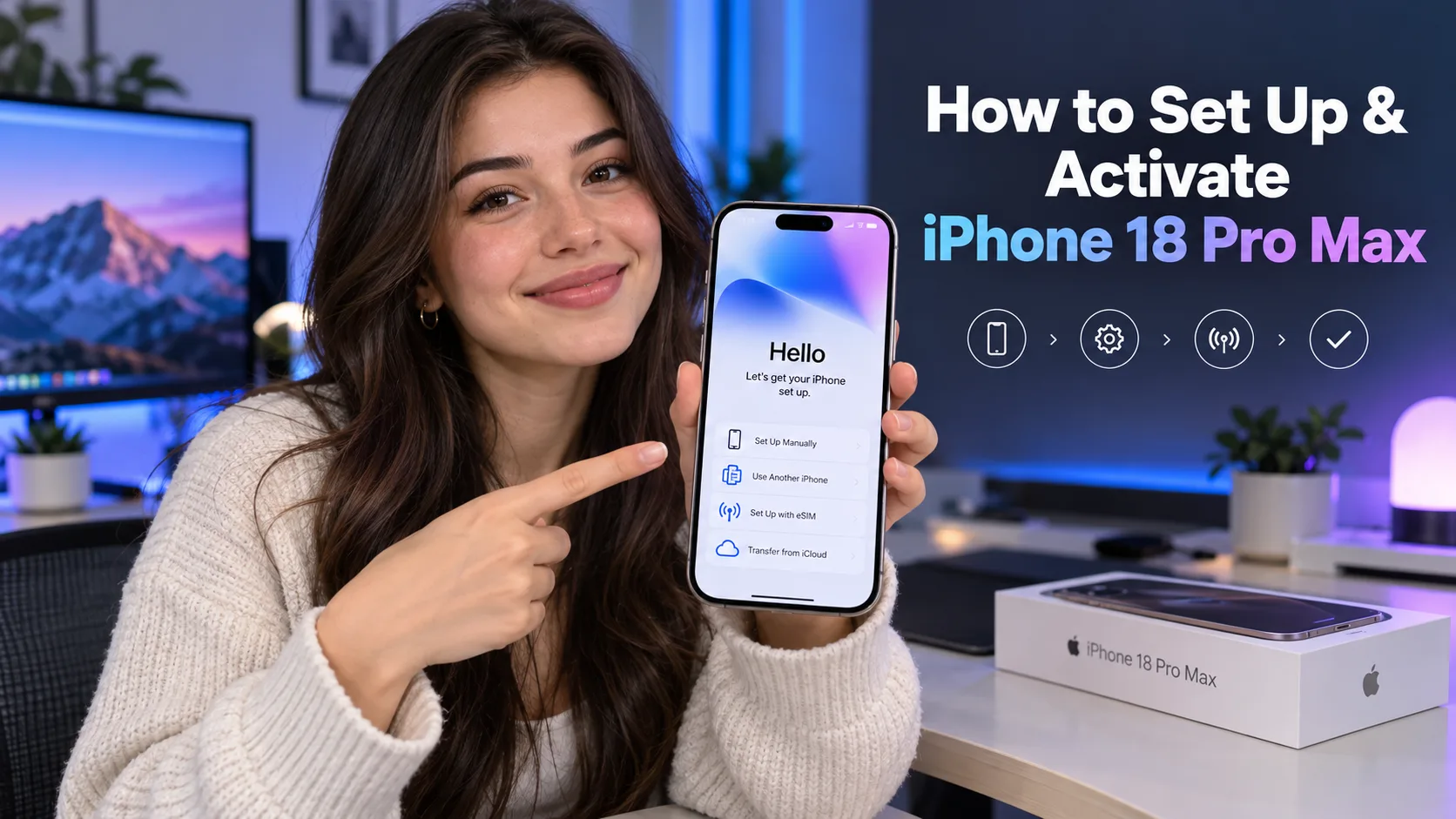
- Make sure your iPhone is activated properly
- Update to the latest iOS version
- Reset all settings (Settings > General > Reset > Reset All Settings)
- Try a different SIM tray if you have access to one
For Android Phones
Android phones have their own tips:
- Clear the Phone app cache (Settings > Apps > Phone > Storage > Clear Cache)
- Check if your IMEI number is valid (dial *#06#)
- Boot into Safe Mode to check if an app is causing the problem
- Check if your phone is using the correct APN settings
- Try a factory reset as a last resort
Preventing Future “SIM Not Supported” Errors
Prevention is always better than cure when it comes to SIM issues. To avoid the “SIM Not Supported” error, consider buying an unlocked phone whenever possible, as carrier-locked devices can limit your network options.
Handle your SIM card with care to prevent damage, and avoid bending or scratching it. Keeping your phone updated ensures compatibility with the latest carrier settings and network updates. Using a protective case can help prevent damage from drops, while avoiding extreme temperatures keeps your phone’s internal components, including the SIM reader, in good condition.
Replacing your SIM card every few years can help prevent wear-related issues. Lastly, always insert the SIM card properly—never force it into the tray, as this can damage both the card and the SIM slot. Taking these precautions can save you from unnecessary headaches.
When to Get a New SIM Card
Sometimes, getting a new SIM card is the best solution to fix persistent issues. If your SIM card is more than 3-4 years old, it may have worn out and need a replacement.
Physical damage, such as scratches, cracks, or discoloration, can also prevent it from working properly. If you’ve tried all troubleshooting steps and the problem still exists, a new SIM might be the only fix. You may also need a replacement if you’re switching to a different SIM card size (nano, micro, or standard) or upgrading to newer network technology like 5G.
The good news is that most carriers provide a new SIM card for free or for a small fee, making it an easy and cost-effective solution.
Understanding Different Types of SIM Cards
Knowledge is power! Understanding SIM cards can help you solve problems:
- Standard SIM: The original, largest size (15mm x 25mm)
- Micro SIM: Medium size (12mm x 15mm)
- Nano SIM: Smallest size (8.8mm x 12.3mm)
- eSIM: Electronic SIM built into your phone
- Dual SIM: Phones that can use two SIM cards at once
Most modern smartphones use Nano SIMs or eSIMs. Make sure you’re using the right type for your device.
Troubleshooting for International Travel
“SIM Not Supported” errors are common when traveling internationally. Before you go, check if your phone is unlocked, as carrier-locked devices may not work with foreign SIM cards. Also, verify that your phone supports the network bands used in your destination country.
If you’re staying for an extended period, consider buying a local SIM card for better coverage and lower costs. If you plan to use your home SIM, enable data roaming in your settings to avoid connectivity issues.
It’s also a good idea to contact your carrier before your trip to ensure international service is activated. Planning ahead can help you avoid frustrating SIM issues while traveling.
FAQs
How can I fix my SIM card error?
To fix a SIM card error, remove and reinsert the SIM, restart your phone, and check if it’s properly aligned. If the issue persists, reset network settings or update carrier settings. If your phone is locked to a carrier, contact them for unlocking.
2. How do I fix my SIM failure message?
A SIM failure message usually means your phone isn’t detecting the SIM. Try reinserting it, restarting your phone, and updating carrier settings. If the problem persists, test with another SIM or reset network settings to fix the issue.
3. Why is my iPhone stuck at SIM not supported?
If your iPhone says “SIM Not Supported,” it’s likely locked to a carrier. Check for a carrier lock in Settings > General > About. If locked, request an unlock from your carrier or try a different SIM to confirm.
4. Why is my SIM not supported for eSIM?
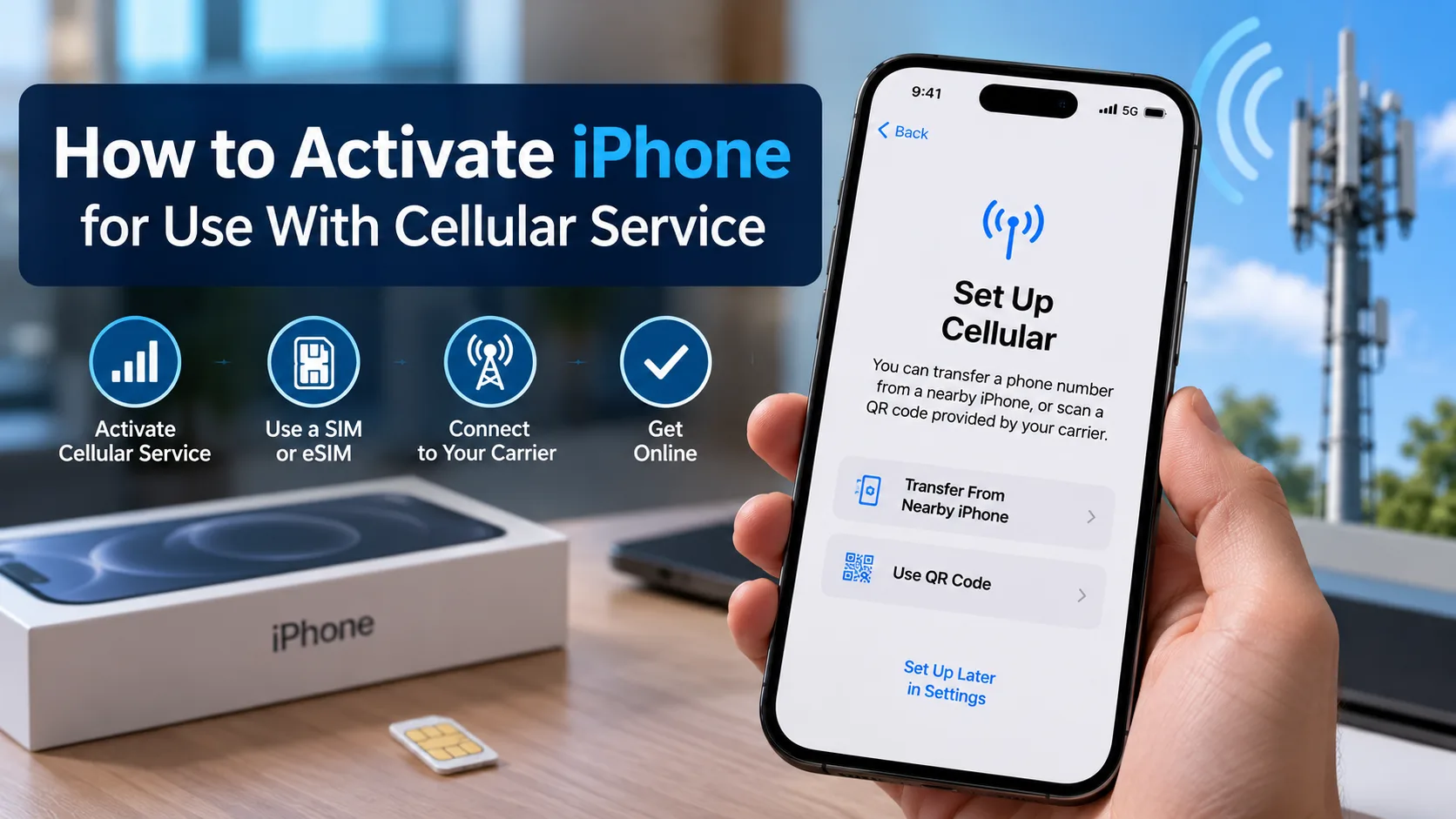
Your phone or carrier may not support eSIM. Check in Settings > Cellular (iPhone) or Settings > Network & Internet > SIMs (Android). Contact your carrier to confirm eSIM availability or request an activation QR code.
5. How do I clear my SIM error?
Remove and clean the SIM card, restart your phone, and reset network settings. If the error persists, update your phone’s software or test the SIM in another device to check if it’s working.
6. How can I solve SIM access error?
A SIM access error may be due to dust, damage, or a locked phone. Clean and reinsert the SIM, restart your phone, and check for carrier updates. If the issue continues, try another SIM or contact your network provider.