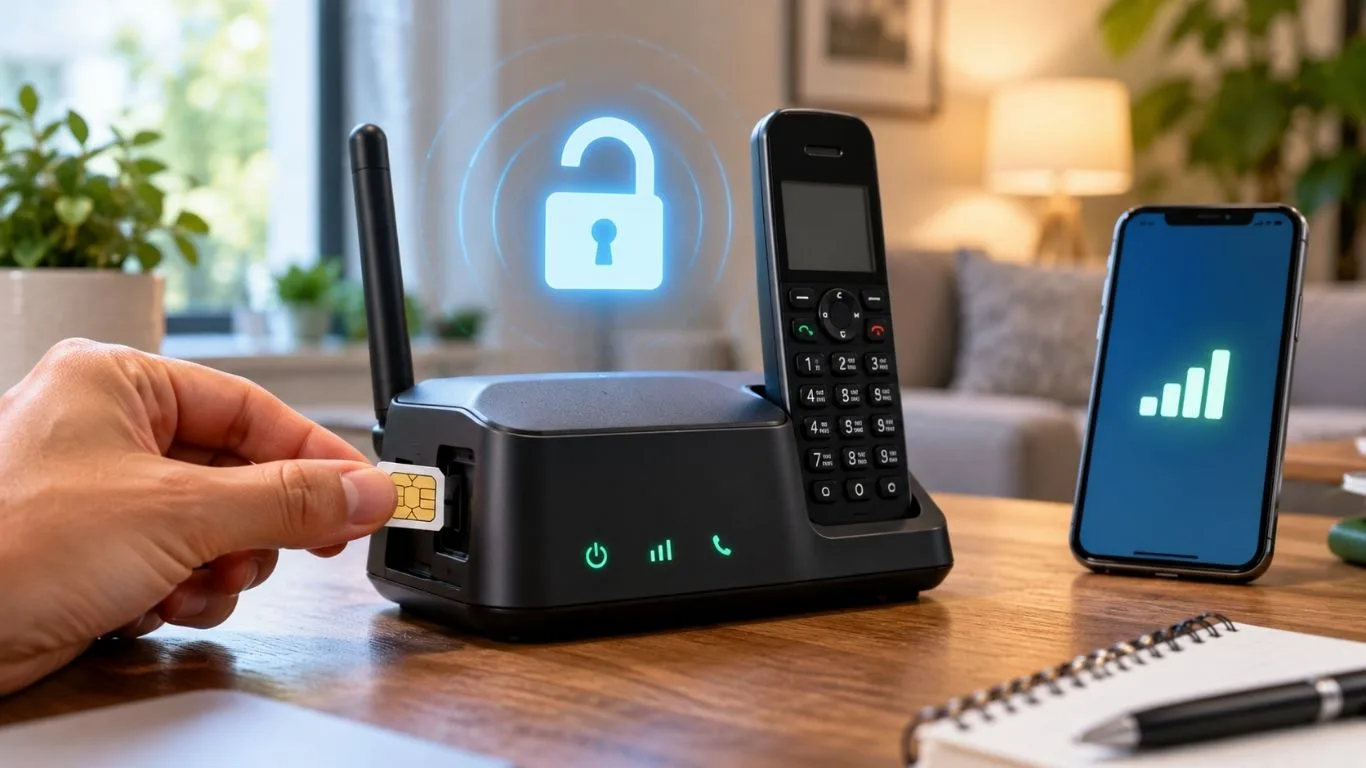


If you’re holding a T-Mobile or MetroPCS/Metro by T-Mobile Android phone that says “Network locked” when you insert another carrier’s SIM, there’s a good chance your phone supports Device Unlock—T-Mobile’s built-in, server-side method to approve and apply an official carrier unlock. No codes to type. No cables. When your line and device meet the eligibility rules, a few taps in the app (or in Settings ▸ Network Unlock) flips your phone from Locked to Unlocked for good.
This guide walks you through everything: where to find the app, how permanent vs. temporary unlocks work, step-by-step instructions, common errors and fixes, and what to do if the app isn’t showing on your phone. It’s written in simple language so you can follow along without tech jargon—but it still covers the details power users care about.
Key Takeaways
- Device Unlock is the official, code-less way to unlock many T-Mobile and Metro Android phones.
- Find it as “Device Unlock” or “Network Unlock” in Settings, depending on model.
- Permanent unlock is the end goal; temporary unlock can help for travel.
- Eligibility is decided server-side—line history, payment status, and model rules all matter.
- If the app is missing or errors out, contact T-Mobile/Metro support to trigger a server-side unlock when you’re eligible.
What the Device Unlock App Actually Does
Device Unlock is T-Mobile’s official unlock mechanism for many Android models originally sold by T-Mobile or MetroPCS (now Metro by T-Mobile). Instead of typing an unlock code, your phone contacts T-Mobile’s servers to check if it’s eligible. If yes, the server pushes an authorization back to your device and writes an “unlocked” status into the phone’s lock database. That’s it.
- No physical code is shown to the user.
- Two modes may appear on supported devices:
- Permanent Unlock — removes the carrier lock forever.
- Temporary Unlock (where supported) — grants a short unlock window, often used for travel.
- Server-side decision — the app doesn’t decide eligibility. It only asks the server.
Important: iPhones do not use the Device Unlock app. iPhone unlocks (when eligible) are completed over-the-air after Apple’s activation servers receive authorization from the carrier. The instructions in this article focus on Android phones that show Device Unlock or Network Unlock.
📖 Also Read: How to Unlock MetroPCS Phones Not Eligible for Unlock
Who Uses It: T-Mobile vs. Metro by T-Mobile
- T-Mobile (postpaid / prepaid):
Many T-Mobile-branded Android phones include the Device Unlock or Network Unlock option. Typical requirements include that the device is paid off, active for a period, and the account is in good standing. Policy specifics can vary by line type. - Metro by T-Mobile (formerly MetroPCS):
Metro phones commonly unlock after a usage period on that line (most models expect about six months of paid service on the original device/line combination). When eligible, the app grants a permanent unlock right on the device.
Because policies evolve, avoid chasing exact numbers from forums; rely on the phone’s unlock menu. If you’re eligible, the server will say yes; if not, the message will tell you more.
Where to Find the Device Unlock Feature on Your Phone
Depending on model and Android version, you’ll see it in one of two places:
- As a standalone app called “Device Unlock.”
Look in the app drawer or open Settings ▸ Apps and search “Device Unlock.” - Inside Settings as “Network Unlock” or “SIM Unlock.”
Common on newer Samsung/Android builds:
Settings ▸ Connections ▸ More connection settings ▸ Network Unlock
(The exact path varies. Use the Settings search bar and type unlock.)
If you don’t see either, skip to “If the Device Unlock App Is Missing” below.
Quick Checklist Before You Tap “Unlock”
A fast pre-flight check prevents disappointment. Read these short items:
- Use the original device on the original line.
On Metro lines especially, eligibility follows the device IMEI on that same line. Swapping phones or lines mid-way can reset the clock. - Turn off Wi-Fi calling and connect to mobile data.
The phone needs to reach T-Mobile’s servers with its cellular identity. If Wi-Fi is on, it still works in most cases, but a clean mobile data path avoids errors. - Insert a SIM and ensure service is active.
An active line and current service are often required to request the unlock. - Update your phone.
Check Settings ▸ Software update and install pending updates. Some models require a certain firmware to expose the unlock UI. - Charge the battery.
Unlock writes to the phone’s security store. Don’t let it die mid-process.
📖 Also Read: All About iPhone eSIM: What It Is, How It Works, and How to Activate It
Step-by-Step: Permanent Unlock on T-Mobile/Metro Android
Follow these simple steps. The wording on your screen may vary slightly:
- Open the unlock screen.
Launch Device Unlock (app) or go to Settings ▸ Network Unlock. - Choose “Permanent Unlock.”
If you see both Permanent and Temporary, select Permanent Unlock. - Confirm and wait.
The phone contacts T-Mobile, checks your IMEI and line, and applies the authorization if eligible. You might see “Unlocking…” for 1–2 minutes. - Reboot if prompted.
Many phones auto-reboot. If not, restart manually to complete the write. - Test with another SIM (optional).
After reboot, insert a different carrier’s SIM or add an eSIM profile. If the phone registers on the other carrier’s network, the permanent unlock worked.
If the request is denied, the app will display a message like “Device not eligible” or “Unlock failed”. Jump to “Fixing Common Device Unlock Errors” later in this guide.
Temporary Unlock (When Available)
Some T-Mobile phones offer a Temporary Unlock option—useful for short trips abroad if you haven’t yet qualified for a permanent unlock. Here’s how it generally works:
- Duration: Usually a short, fixed window (for example, 30 days).
- Repeat rules: There may be a cooldown between temporary unlocks.
- Re-lock: When the window ends, the phone returns to its locked state.
To use it, select Temporary Unlock in the Device Unlock/Network Unlock menu and complete the on-screen steps. For international travel with a local SIM, temporary unlock can be a lifesaver when you’re not yet eligible for the permanent change.
If the Device Unlock App Is Missing
Don’t panic—newer Android builds sometimes move the feature into Settings, and some models hide the icon unless the line is active.
Try these:
- Search in Settings for “unlock,” “network unlock,” or “carrier unlock.”
- Check the app list in Settings ▸ Apps and look for Device Unlock (some OEMs hide it from the launcher).
- Update your phone to the latest software and reboot.
Still not there?
- Contact T-Mobile/Metro support via chat, phone, or in-store. Provide the IMEI (from Settings ▸ About phone). If your account and device are eligible, they can often trigger the unlock server-side so that your phone’s Settings page completes it after a restart.
Note: Sideloading third-party “unlock apps” from the web is risky and unnecessary. The official method is baked into your device’s firmware.
📖 Also Read: The Best 5 Samsung Network Unlock Tools
Using the Unlock App with eSIM & Dual-SIM (DSDS)
Modern T-Mobile/Metro Android phones may support DSDS (dual SIM dual standby) with one physical SIM and one eSIM, or in some cases dual eSIMs. Here’s how the unlock plays with that:
- Unlock applies to the device, not a specific SIM.
Once permanently unlocked, you can add an eSIM from another carrier without removing your T-Mobile/Metro SIM. - Line management:
Go to Settings ▸ Connections ▸ SIM manager (path varies) to select which SIM handles calls, texts, and data. Unlocked phones let you mix and match. - Travel use-case:
Add a local eSIM data plan for your trip and keep your T-Mobile number active for calls/messages.
How Device Unlock Differs from “Network Unlock Code” Prompts
You may have seen phones ask for a “SIM Network Unlock PIN” or “Network Unlock Code.” That’s an older, code-based flow used by some carriers and older devices.
- With Device Unlock, you never enter a code. The server does it.
- If your T-Mobile/Metro device shows a code entry box instead of Device Unlock, it may not be a T-Mobile firmware build or might be too old to support the app method. In those edge cases, official unlock still happens through T-Mobile—just via a different path or a firmware update. Avoid buying codes online; T-Mobile/Metro approvals are what truly unlock your device cleanly and permanently.
Fixing Common Device Unlock Errors
If your unlock request fails, don’t give up. The error text gives clues. Here are the most common issues and practical fixes in plain English.
1) “Device Not Eligible” / “Request Denied”
Meaning: The carrier’s server thinks one or more requirements aren’t met.
What to do:
- Confirm you’re on the original line with this device IMEI.
On Metro, switching devices mid-way may restart the usage counter. - Check account standing.
Past-due balance or chargebacks can block approval. - Verify payment/ownership status.
T-Mobile postpaid devices typically must be fully paid off. - Try again later if you recently met a requirement (systems can take time to update across databases).
2) “Server Not Responding” / “Try Again Later”
Meaning: Temporary network hiccup or maintenance.
What to do:
- Toggle Airplane mode off/on, then retry on mobile data.
- Reboot the phone and try again in a different location.
3) “Unlock Failed” with No Detail
Meaning: Generic failure after contacting the server.
What to do:
- Update your software, then retry.
- Remove and re-insert the SIM, reboot, and try again.
- Contact support and ask them to check the IMEI status and push a server-side unlock if you’re eligible.
4) App Missing or Crashing
Meaning: The UI moved into Settings, or the app needs an update.
What to do:
- Use Settings search for Network Unlock.
- Clear app cache (if present) in Settings ▸ Apps ▸ Device Unlock.
- Update system software and reboot.
5) “This Device Is Already Unlocked”
Meaning: Good news! Insert another carrier’s SIM and test data/calls.
After a Successful Unlock: Verify & Set Up
Once your permanent unlock is done:
- Insert another carrier’s SIM (or add an eSIM).
You should see the new network name in the status bar after activation. - Set APN (if needed).
Most carriers auto-provision APN settings, but if data doesn’t work, go to Settings ▸ Mobile networks ▸ Access Point Names and add the carrier’s APN. - Test calls, SMS, and data.
Place a test call, send a text, open a webpage. If MMS (picture messages) fail, APN tweaks usually fix it. - Keep your T-Mobile/Metro account in good standing.
The unlock is permanent, but clearing old obligations avoids any account headaches later.
Buying a Used T-Mobile/Metro Phone? Read This First.
If you’re shopping second-hand, verify these points before handing over cash:
- IMEI status:
Ask the seller to dial *#06# to show the IMEI. Check that the phone is not blacklisted and is paid off. Many carriers and third-party services provide IMEI checks. - Original carrier & firmware:
Confirm it’s a T-Mobile or Metro variant—these models are the ones with Device Unlock or Network Unlock. If it’s an international variant or flashed firmware, the unlock flow may differ. - Lock status on the spot:
Insert a different carrier’s SIM during the meetup. If it connects, it’s already unlocked.
Buying smart saves you from “not eligible” surprises later.
Tips & Long-Tail Keywords You’ll Naturally Hit
As you work through this guide and the on-device steps, you’ll naturally cover search queries like:
- how to use device unlock app T-Mobile
- MetroPCS device unlock app not working
- T-Mobile permanent unlock vs temporary unlock
- where is network unlock in Samsung settings
- Metro by T-Mobile 6-month unlock requirement
- T-Mobile server unlock failed fix
- unlock T-Mobile Android for international travel
- add eSIM after T-Mobile unlock
These phrases appear in real user questions and help your article surface on results pages while staying helpful and human-readable.
Step-By-Step Recap (Short Version)
- Open Device Unlock / Network Unlock.
- Select Permanent Unlock (or Temporary if that’s your need).
- Confirm and wait for server approval.
- Reboot if prompted.
- Test with another SIM or eSIM; set APN if needed.
What Not To Do
- Don’t install random “unlocker” APKs from the web.
- Don’t buy “codes” for Device-Unlock-capable models.
- Don’t swap devices/lines mid-way if you’re working toward eligibility on Metro.
- Don’t assume it’s unlocked because it accepts any SIM; test with calls/data.
Sticking with the official path gives you a permanent, clean result that survives updates and resets.
The Final Word
Unlocking with Device Unlock is simple once you know where to look and what the messages mean. If you meet the requirements, it’s a few taps. If not, the phone will say so—and you’ll know exactly what to fix. When you’re ready, you can pop in a local SIM on your next trip, move to a different carrier, or keep T-Mobile for calls while running data on a separate eSIM. That flexibility is the whole point of an unlocked phone.
Frequently Asked Questions (FAQs)
1) Where exactly is the Device Unlock app on Samsung phones?
On modern Samsung models, it’s often under Settings ▸ Connections ▸ More connection settings ▸ Network Unlock. If you don’t see it, use the Settings search bar and type “unlock.” Some devices still show a separate Device Unlock app in the app drawer.
2) Can I unlock a T-Mobile phone without the app?
Yes. If you’re eligible but the app is missing, T-Mobile/Metro can trigger the unlock server-side. After that, a restart or SIM change completes the process. Reach support by chat, phone, or in-store.
3) Does a factory reset remove the unlock?
No. An official permanent unlock survives factory resets and software updates. A temporary unlock will expire on its own schedule.
4) If I unlock, will updates or warranty change?
Official carrier unlock does not block updates. Warranty policy depends on the manufacturer and original sale terms, not the unlock status itself.
5) Do I need a Network Unlock Code (NCK)?
Not on devices that support Device Unlock/Network Unlock. The process is code-less. If your phone shows a code prompt, it’s likely an older or different firmware path—contact T-Mobile for the official route.
6) How long does Metro by T-Mobile take to unlock?
Most Metro phones expect about six months of service on the original line before the Permanent Unlock button succeeds. Exact timing can vary by model and policy. The app will allow it the moment your device becomes eligible.
7) Can I temporarily unlock just for a trip?
If your model shows Temporary Unlock, yes. It grants a time-limited window. When it ends, the device relocks unless you complete a Permanent Unlock later.
8) Does unlocking affect 5G/VoLTE features?
Unlocking enables other carriers’ SIMs to work. Whether 5G, VoLTE, or Wi-Fi Calling work on another carrier depends on band support and the other carrier’s provisioning for your specific model.
9) Will eSIM from another carrier work after unlock?
Yes, if your phone supports eSIM. Add the new carrier’s eSIM profile and assign calls/texts/data in SIM Manager.
10) Is it safe to buy third-party unlock codes online?
For T-Mobile/Metro devices that use Device Unlock, paid codes are unnecessary and risky. Official approval through T-Mobile/Metro is the cleanest, most reliable method.